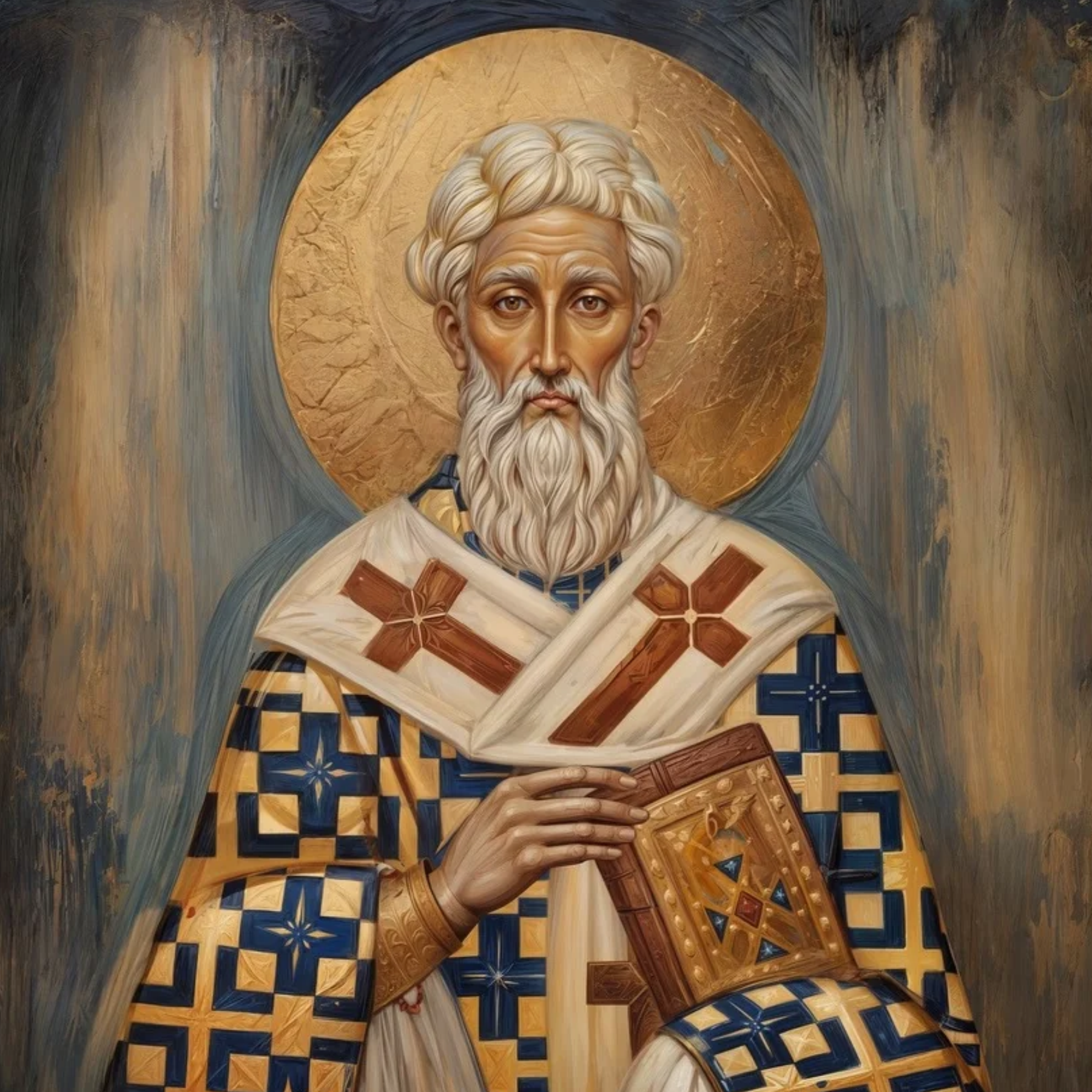
If Church history had an official action movie hero, Pope Saint Leo I (better known as St. Leo the Great) would be right at the top of the cast list.
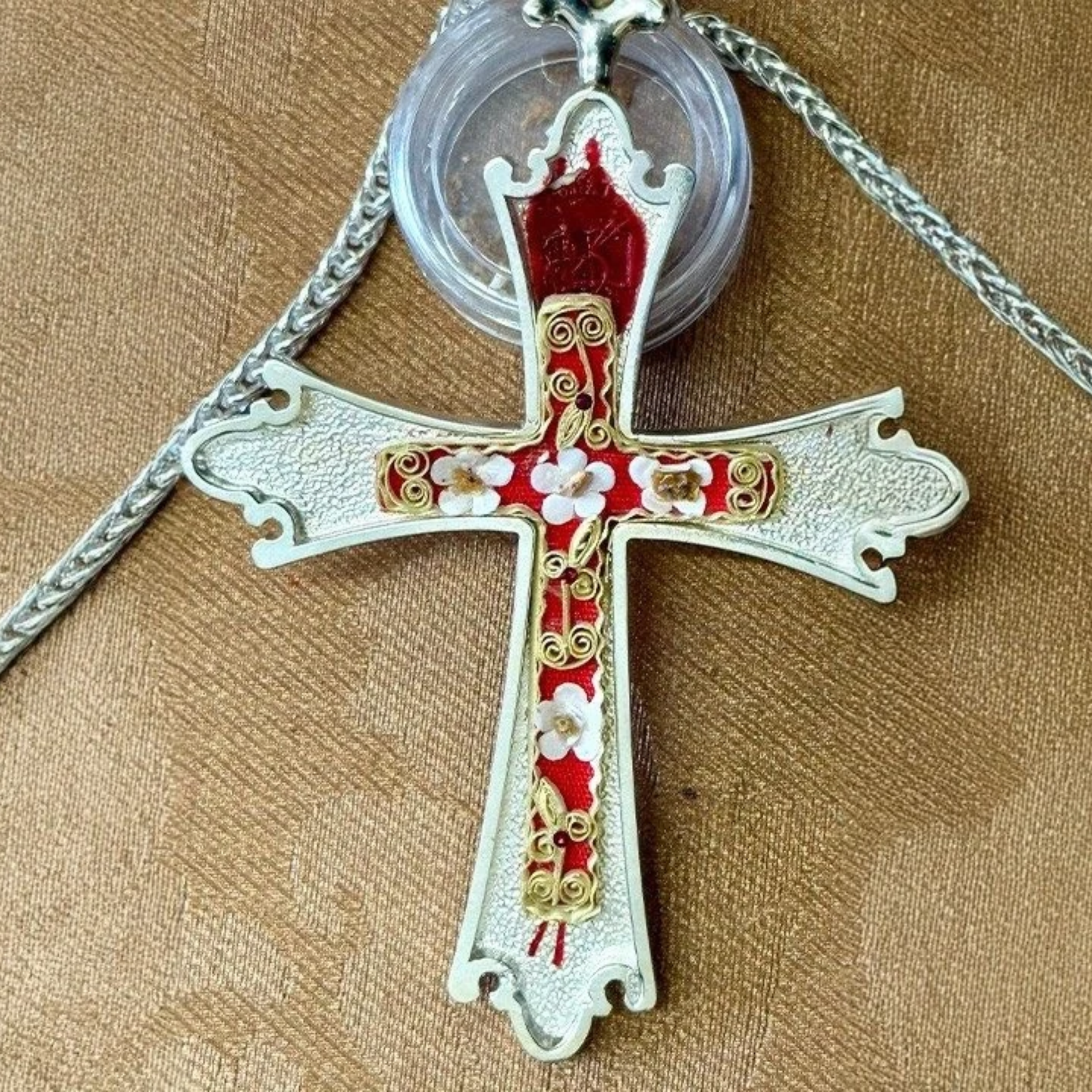
If you haven’t heard about this 5th century pope, this is the perfect time to start since our current pontiff, the American-born Pope Leo XIV was so inspired by him, that he took his name – plus Pope Leo XIV's pectoral cross contains a relic of St. Leo the Great!
Reigning as Pope from 440 to 461 AD, Leo was a theological powerhouse, an unstoppable diplomat, and one of only two popes in history officially given the title "the Great."
November 10 marks his feast day — so here are 6 mind-blowing facts about the man who literally stared down invading armies, reshaped the papacy forever, left behind an incredible legacy — and now even inspired our current Pope’s name: Pope Leo XIV!
1.He Met Attila the Hun... and Walked Away Unscathed
Imagine standing face-to-face with the most feared warlord in human history — the guy nicknamed ‘The Scourge of God.’ In 452 AD, Attila the Hun was marching toward Rome, razing cities and preparing to sack the historic capital.
Who did the Romans send out as their chief negotiator? Not a giant Roman legion, but Pope Leo.
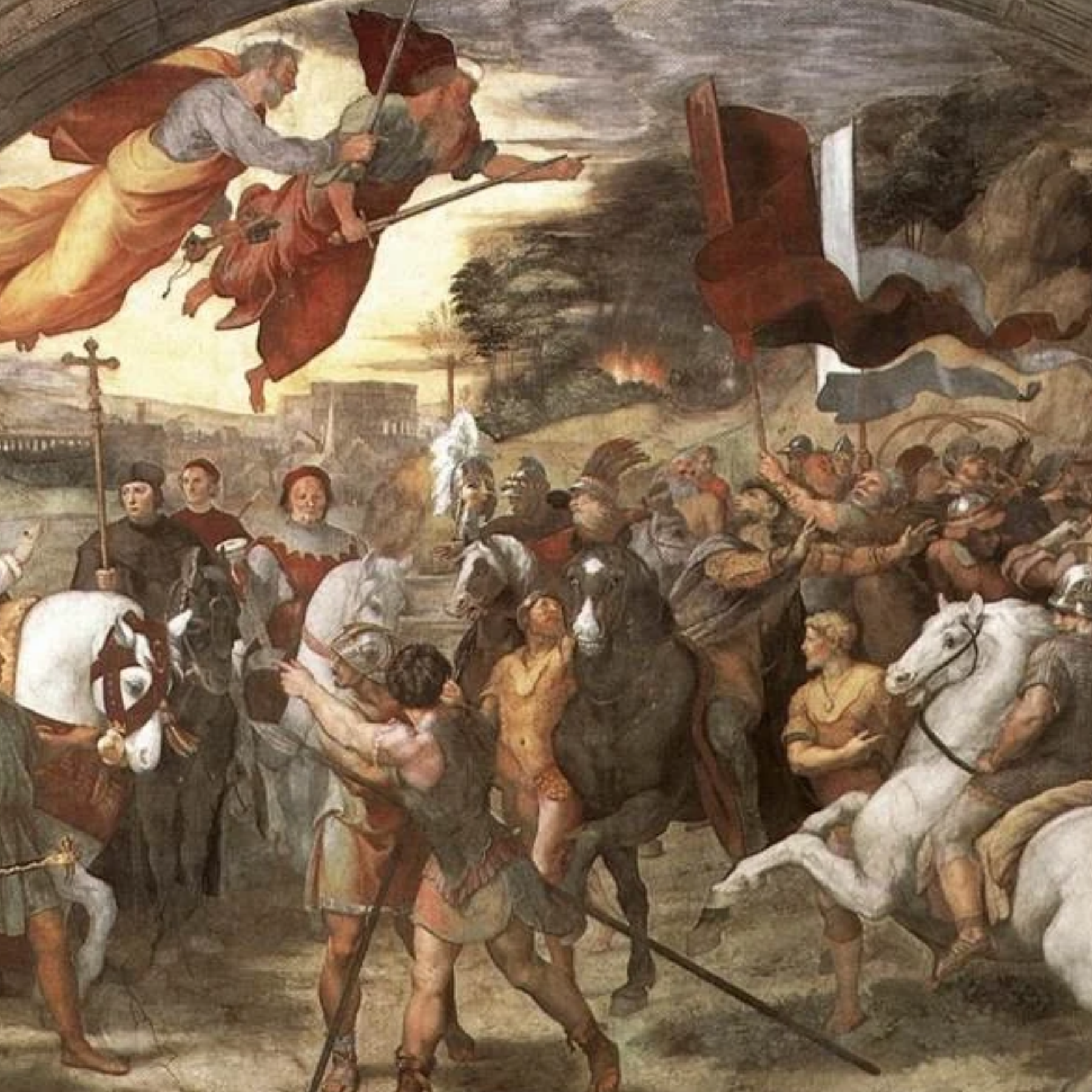
Leo rode out to meet Attila near Mantua, unarmed and wearing his papal vestments. After a quiet, tense conversation between the two leaders, Attila mysteriously agreed to turn his massive army around and leave Italy completely untouched!
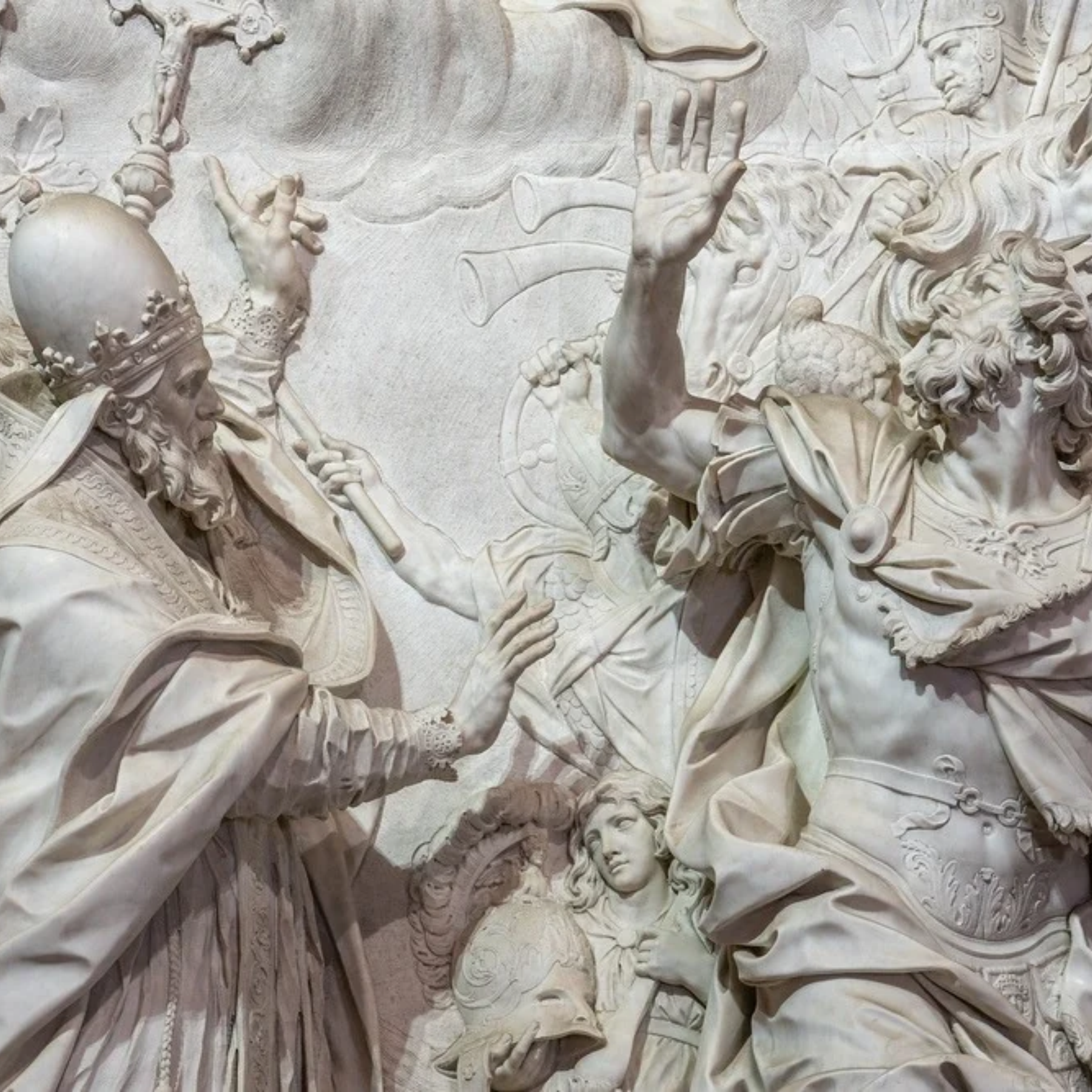
Legend says Attila saw a vision of Saints Peter and Paul standing behind Leo with drawn swords, warning him not to mess with the Bishop of Rome.
2.He Negotiated a ‘No-Violence’ Deal with Vandals
Just three years after turning back the Huns, Rome faced another terrifying threat: Gaiseric and the Vandals (yes, the exact tribe where we get the word vandalism).
When the Vandals breached the city walls in 455 AD, Leo couldn’t stop them from looting, but he used his diplomatic charm to pull off a miracle hostage negotiation.
He convinced King Gaiseric to promise three crucial things: no killing citizens, no burning down buildings, and no torture. Because of Leo’s brave intervention, thousands of lives were saved, and Rome’s historic churches were left intact.
3.He Wrote the ‘Tome’ That Defined Christian Faith
Leo wasn’t just a physical shield for Rome; he was a giant of theology. During a time when theologians were fiercely arguing over who Jesus was, Leo wrote a famous letter known as the Tome of Leo.
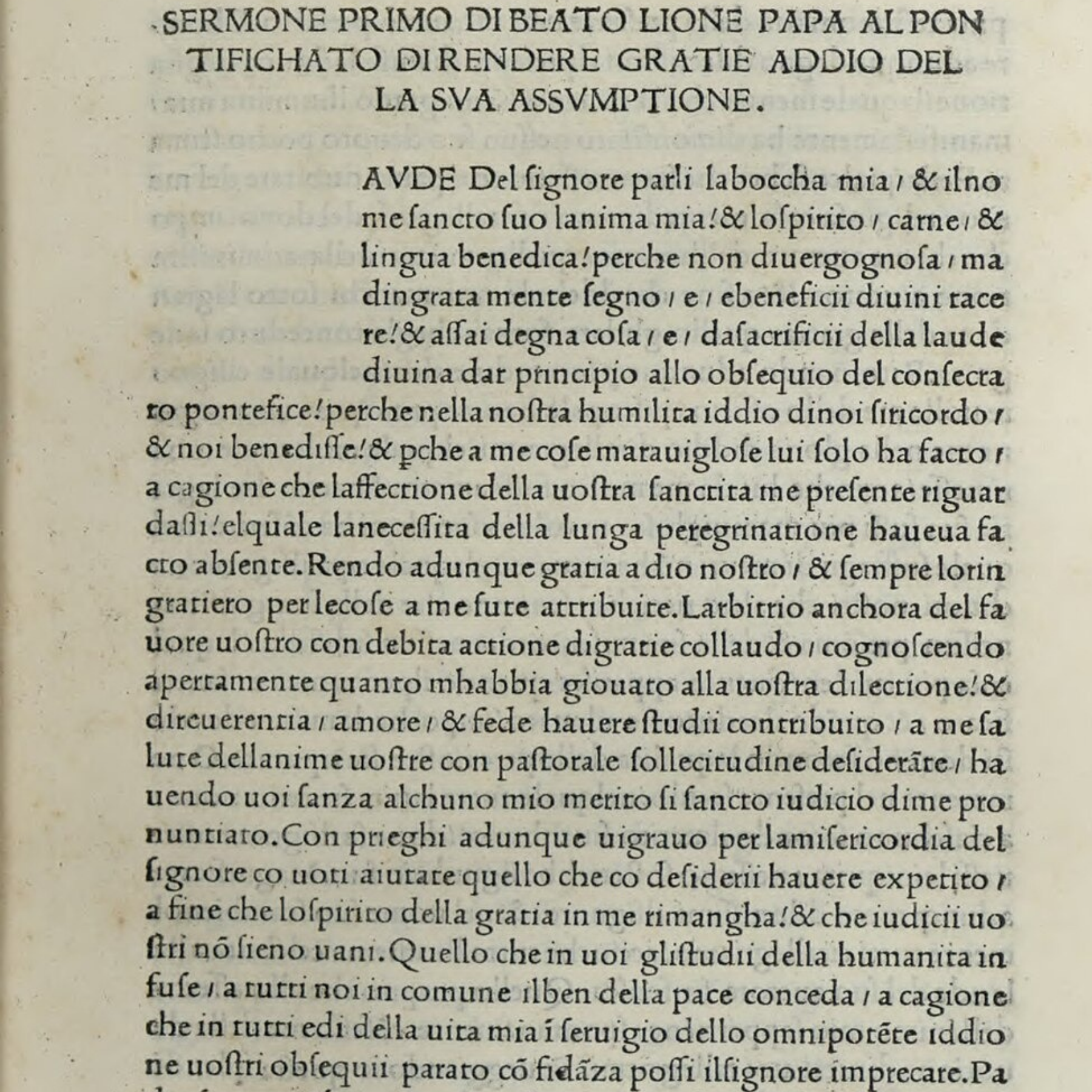
In it, he brilliantly laid out the Catholic doctrine of the Hypostatic Union: that Jesus is one Divine Person with two distinct natures — fully God and fully man. When his letter was read aloud to over 500 bishops at the historic Council of Chalcedon in 451 AD, the bishops stood up and famously shouted in unison:
‘Peter has spoken through Leo!’
4.He Supercharged the Authority of the Papacy
Before Leo, the Bishop of Rome was certainly respected, but Leo turned the papacy into a global powerhouse. He was the first pope to strongly emphasize that as the successor of St. Peter, the pope holds unique spiritual authority given directly by Christ:
“You are Peter, and on this rock I will build my Church.”
Leo saw himself as Peter’s earthly representative, setting the standard for how the papacy functions on the international stage to this day.
5.His Relics Made History Inside St. Peter’s Basilica
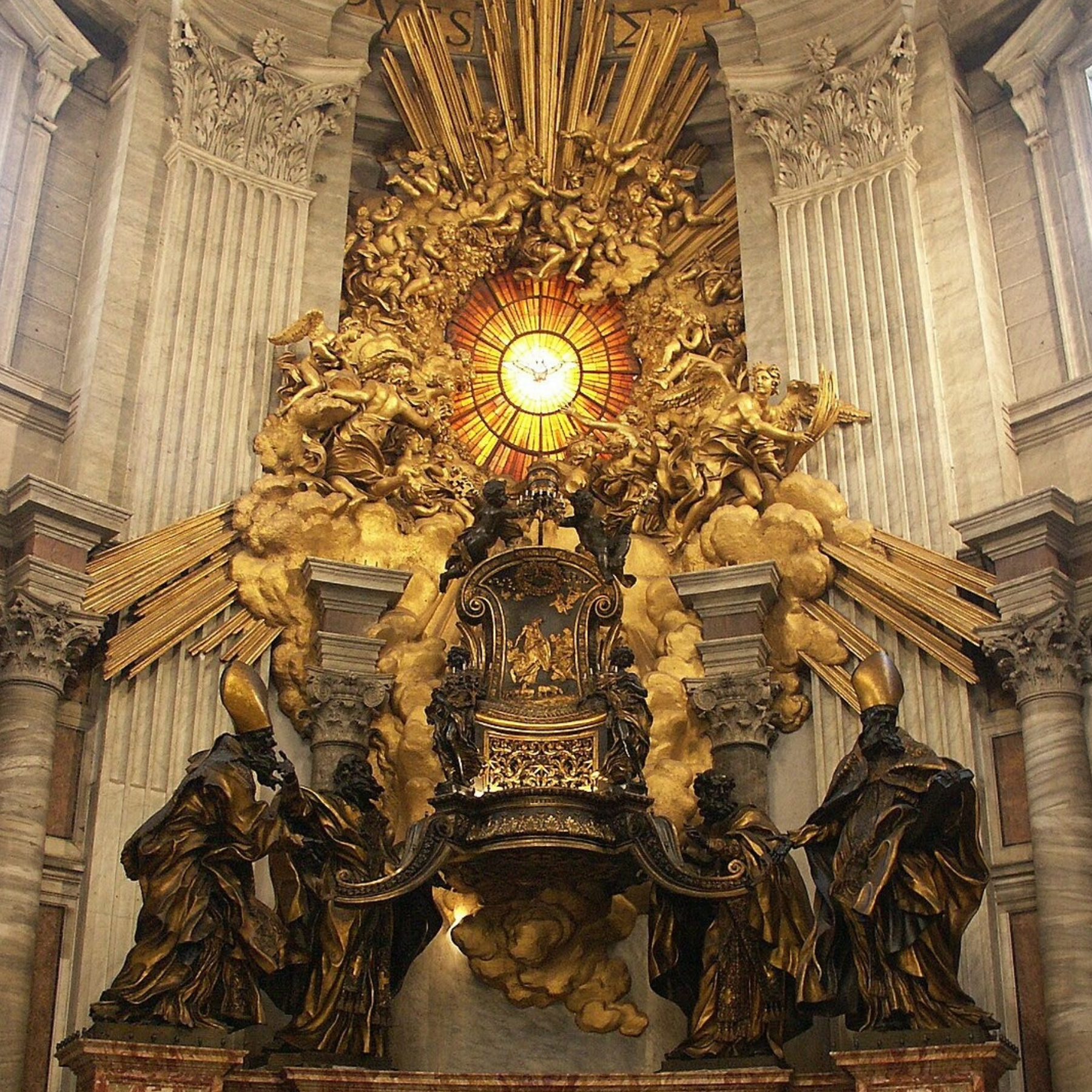
When Leo died in 461 AD, he became the very first pope ever buried inside St. Peter’s Basilica!
For centuries, his tomb held a few surprises — at one point in the Middle Ages, his relics were actually stored in a shared sarcophagus alongside three other popes named Leo (Leos II, III, and IV).
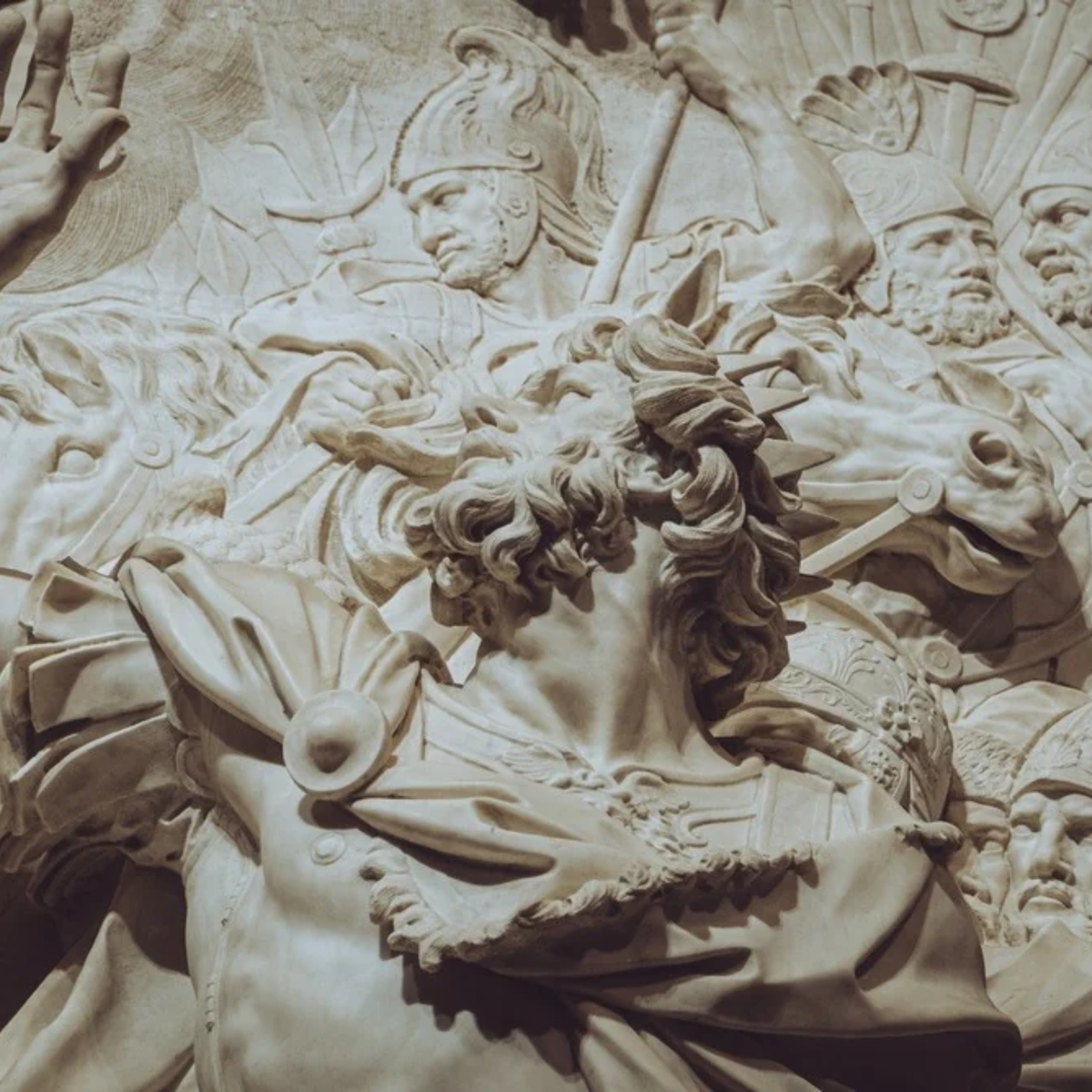
Today, his relics rest beneath his own dedicated altar inside St. Peter’s, right under a monumental 25-foot marble relief by Alessandro Algardi that shows Saints Peter and Paul scaring off Attila the Hun right behind him.
6.Only TWO Popes in History Share His Title
Throughout 2,000 years of Catholic history, there have been over 260 popes. But out of all of them, only two officially carry the title “the Great” in the Church's official tradition: Pope Saint Leo I and Pope Saint Gregory I (though Pope Saint John Paul II is often informally called “the Great” by many!).
With his mix of courage under fire, intellectual genius, and deep love for his people, St. Leo earned every letter of that title — proving that the greatest leaders aren't those who carry weapons, but those who stand firm in faith.