

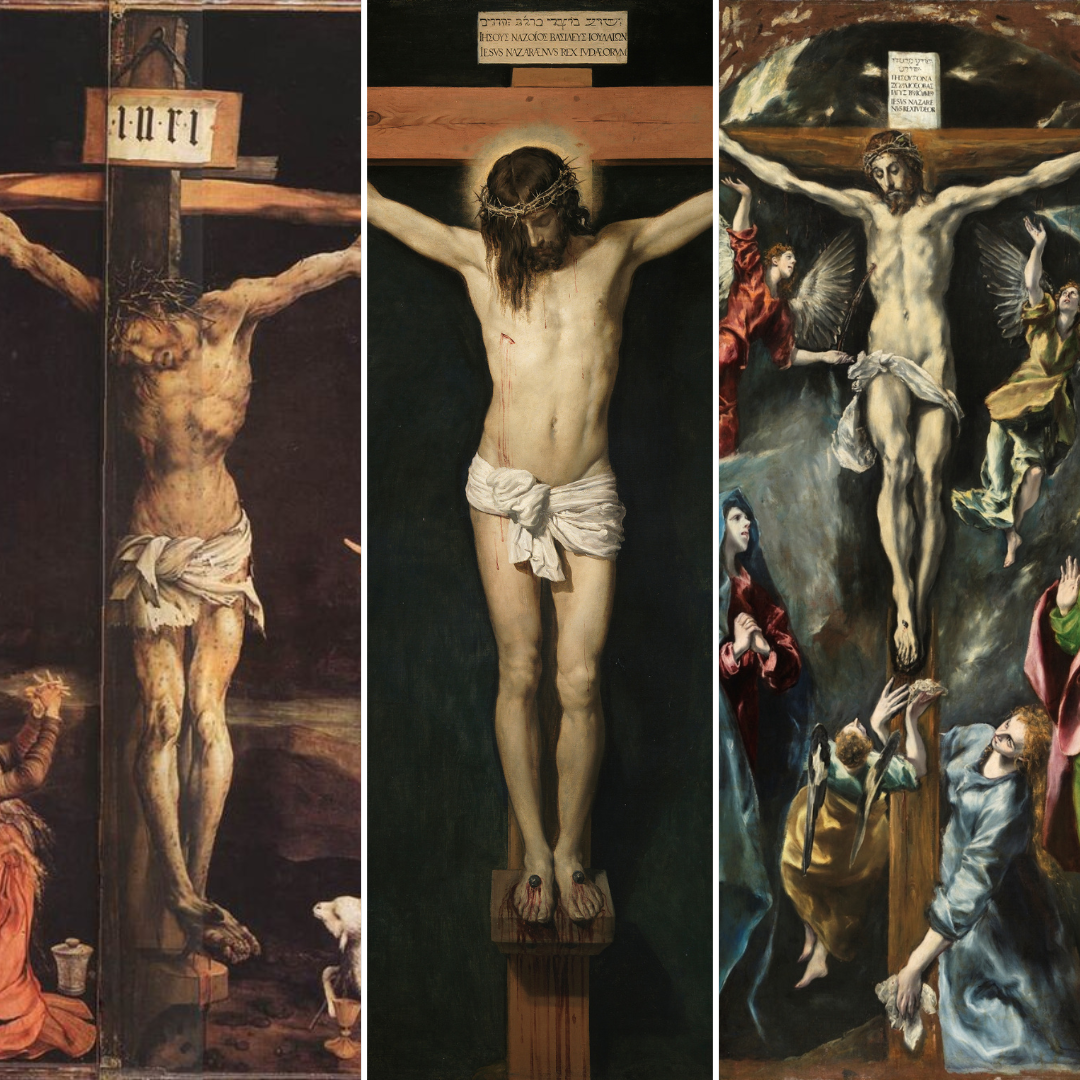
Throughout the centuries, artists from different cultures have sought to capture the mystery of the Cross in images that not only represent a biblical event, but also express a profound interior experience—one that invites us to contemplate Christ more deeply and encounter His love for us.
Below are seven iconic artistic representations of the Cross of Jesus and their spiritual significance:
1) The Crucifixion — Matthias Grünewald
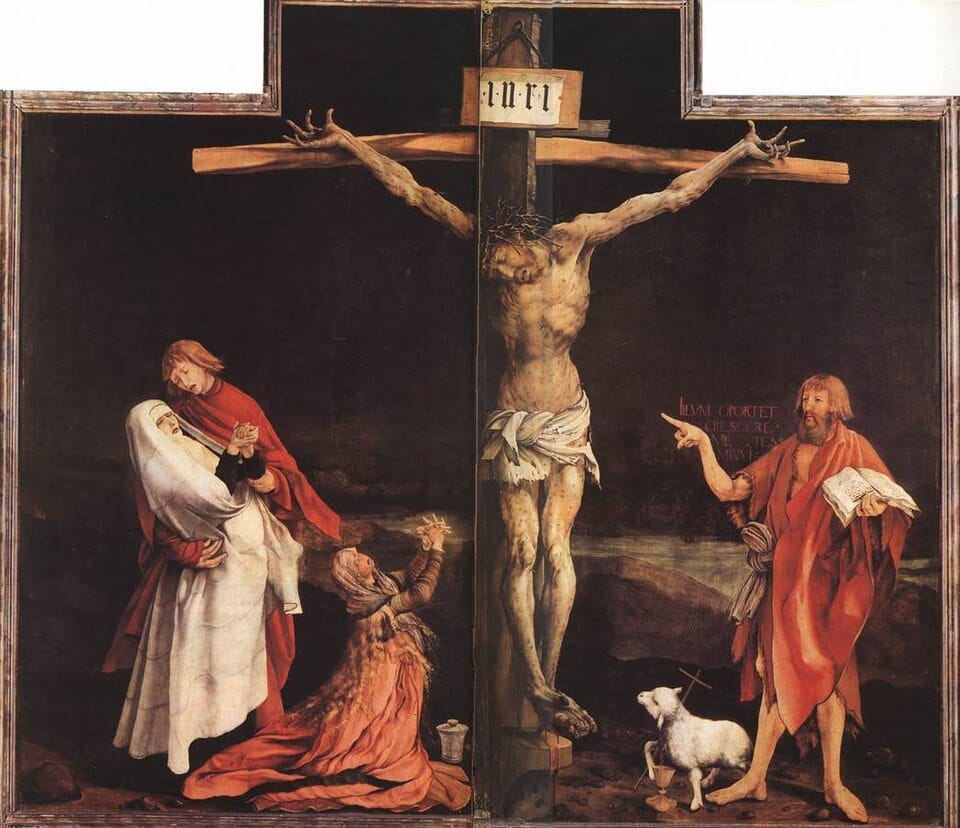

This powerful work portrays Christ with a contorted body, covered in wounds. It does not soften the suffering, but presents it in all its stark reality. The painting reveals the Cross as a total identification with human suffering. Far from distancing us, it draws us closer to a Christ who suffers with us and for us.
You can view this painting at the Unterlinden Museum in France.
2) The Crucifixion — Diego Velázquez
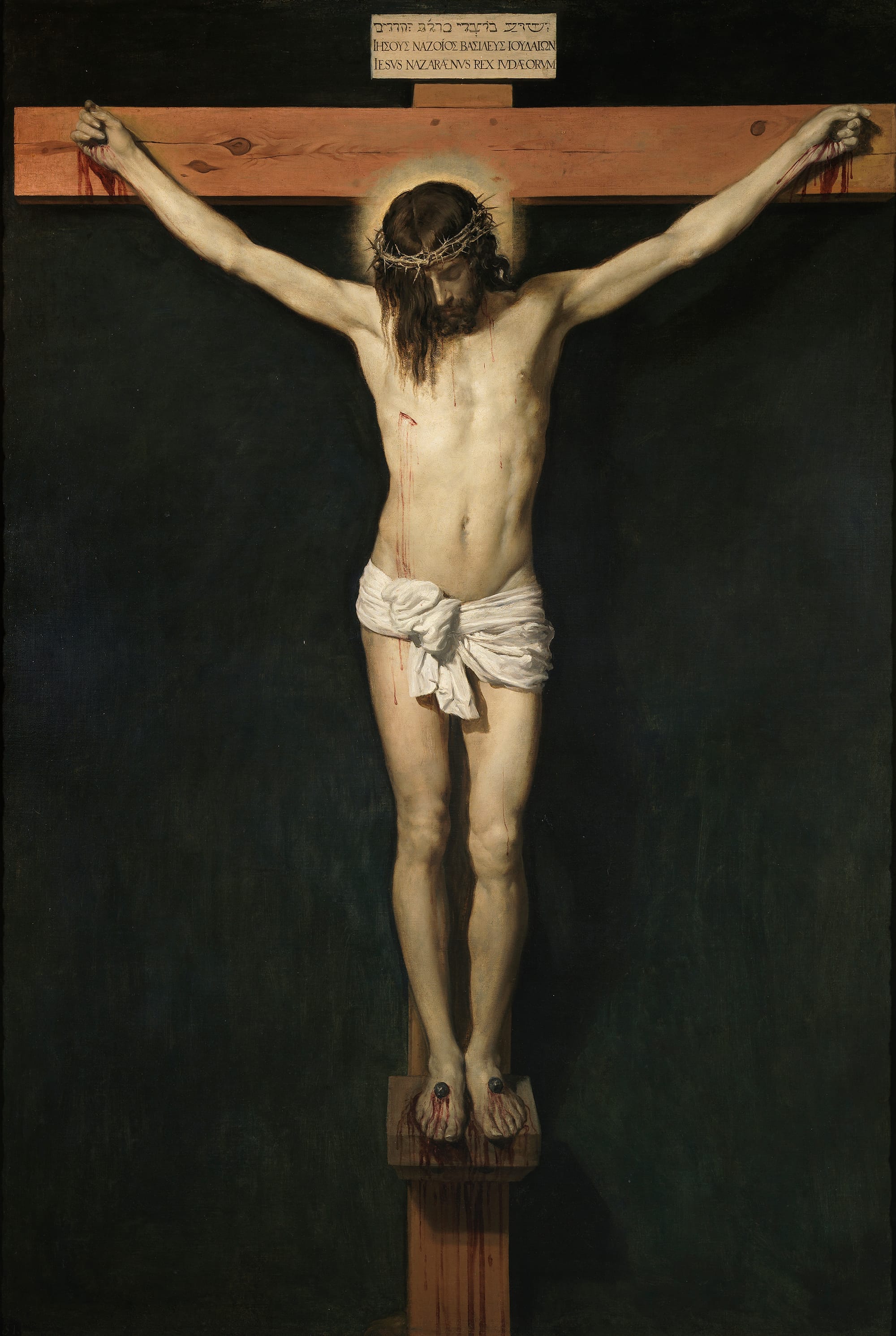

Here, Christ appears serene—almost at peace—suspended against a dark background. In this beautiful work, the Cross becomes an image of sacred silence. There is no excessive drama, but rather a sense of interior stillness and contemplation. It invites us to quiet reflection and acceptance.
This painting is displayed at the Prado Museum in Madrid, Spain.
3) Christ Crucified — Saint John of the Cross
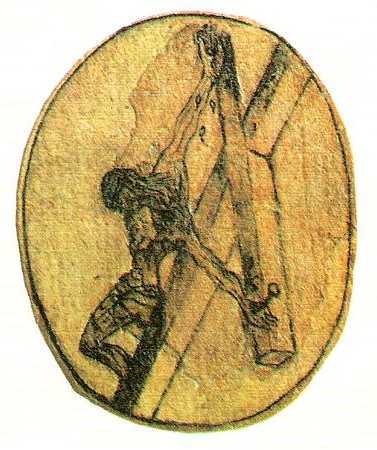

This mystical drawing presents the Cross from an elevated perspective, as though we are viewing the scene through divine eyes. It suggests that Christ’s sacrifice has a transcendent purpose that surpasses human understanding.
It is preserved in the Convent of the Incarnation in Ávila, Spain.
4) The San Damiano Cross
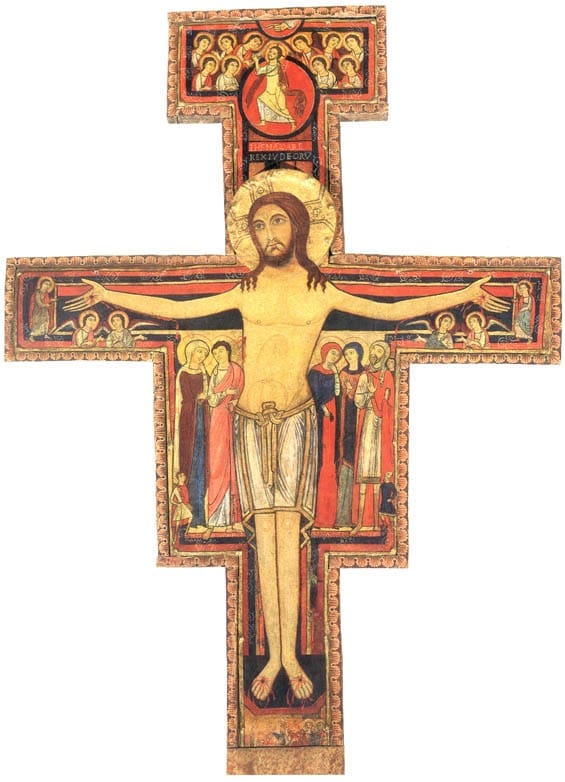

This Byzantine icon portrays Christ alive, with open eyes. It presents the Cross not as defeat, but as victory—life triumphing over death. According to tradition, it was before this image that Saint Francis of Assisi received the call to rebuild the Church.
It is located in the Basilica of Santa Clara in Assisi, Italy.
5) Crucifixion — Giotto
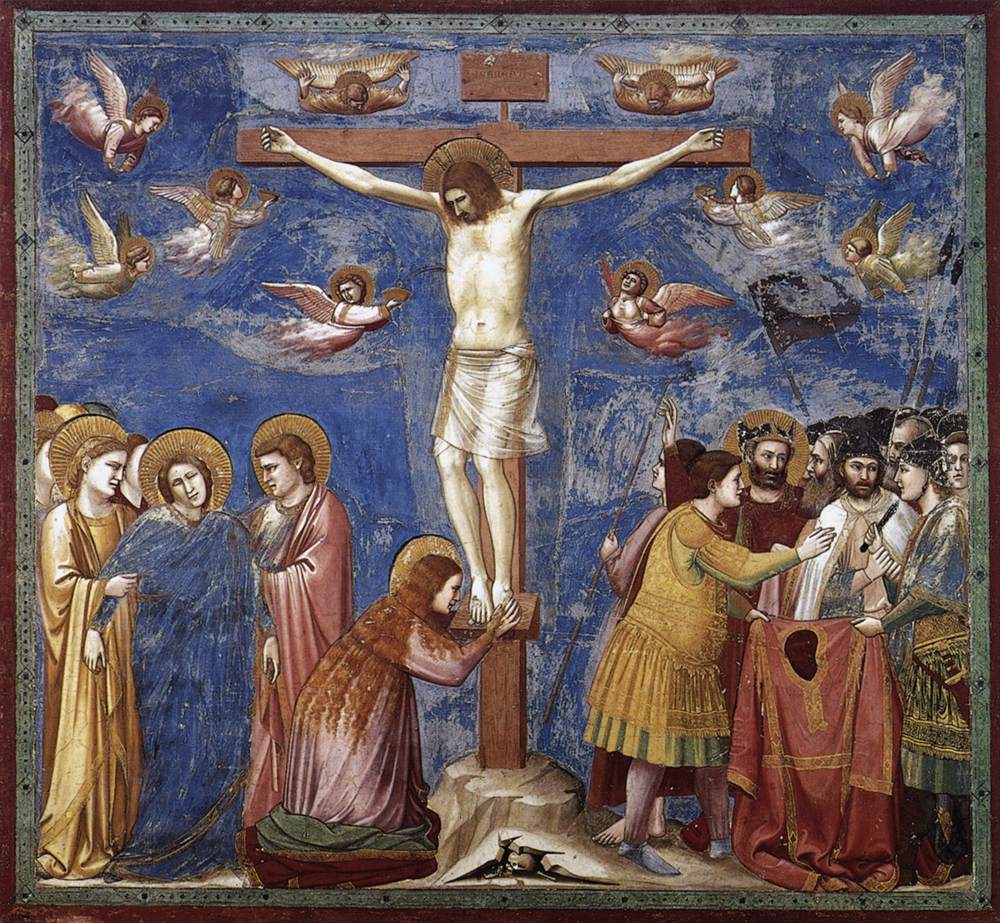

Giotto infuses this scene with profound emotional intensity—pain, grief, and compassion are vividly expressed. The Cross here invites us to enter into the suffering of others and respond with empathy.
This 13th-century fresco can be found in the Scrovegni Chapel in Padua, Italy.
6) The Crucifixion — Tintoretto
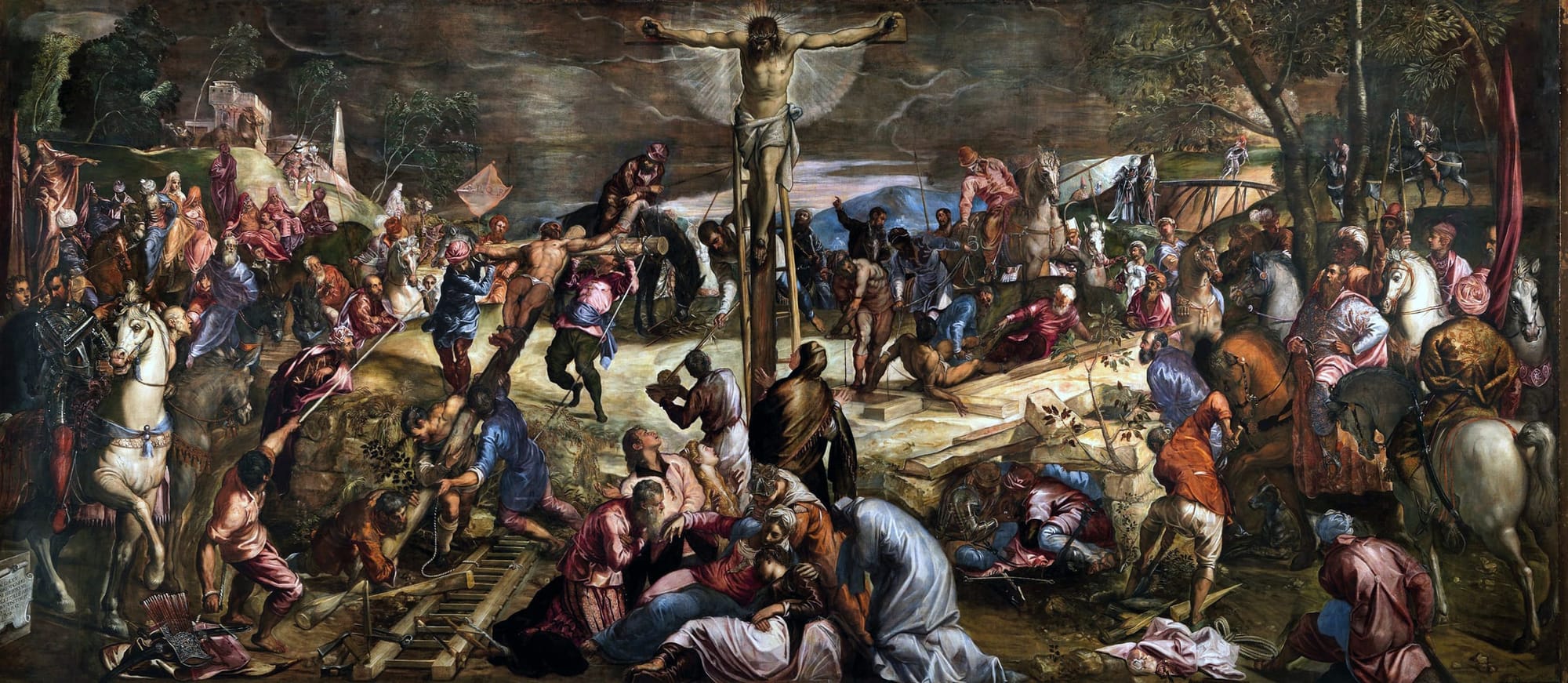

This dramatic composition is filled with movement and figures, creating a sense of chaos around the central Cross. In the midst of the world’s disorder, the Cross stands as a source of meaning and stability.
It is housed in the Scuola Grande di San Rocco in Venice, Italy.
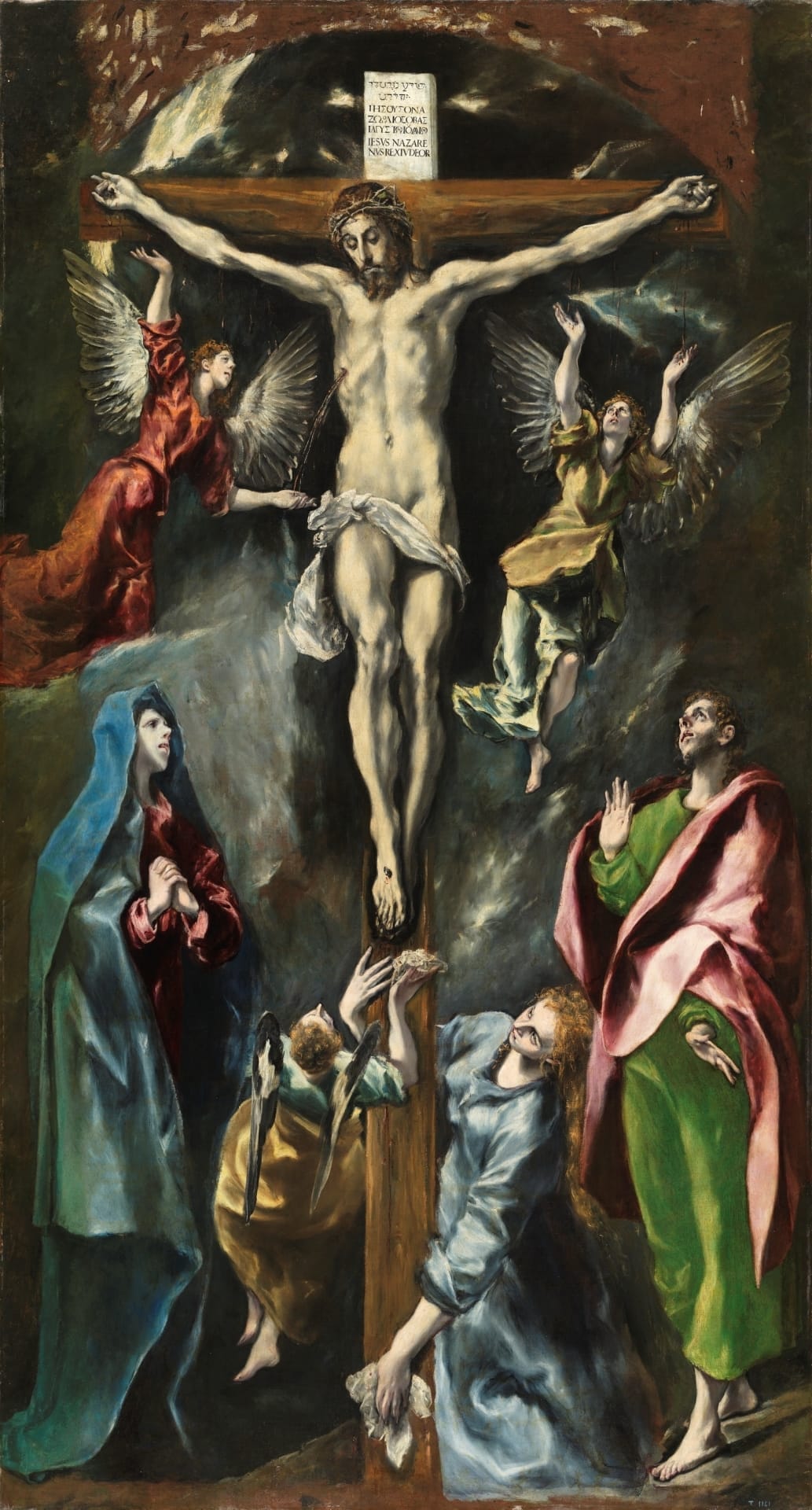
7) Crucifixion, Altarpiece of Mary of Aragon — El Greco
.jpg)
This work is distinguished by its intense spiritual atmosphere. It emphasizes the salvific power of Christ’s blood, which the angels collect. The Cross emerges from a dark background, highlighting both Christ’s suffering and His victory over death.
This painting is also located at the Prado Museum in Madrid, Spain.