
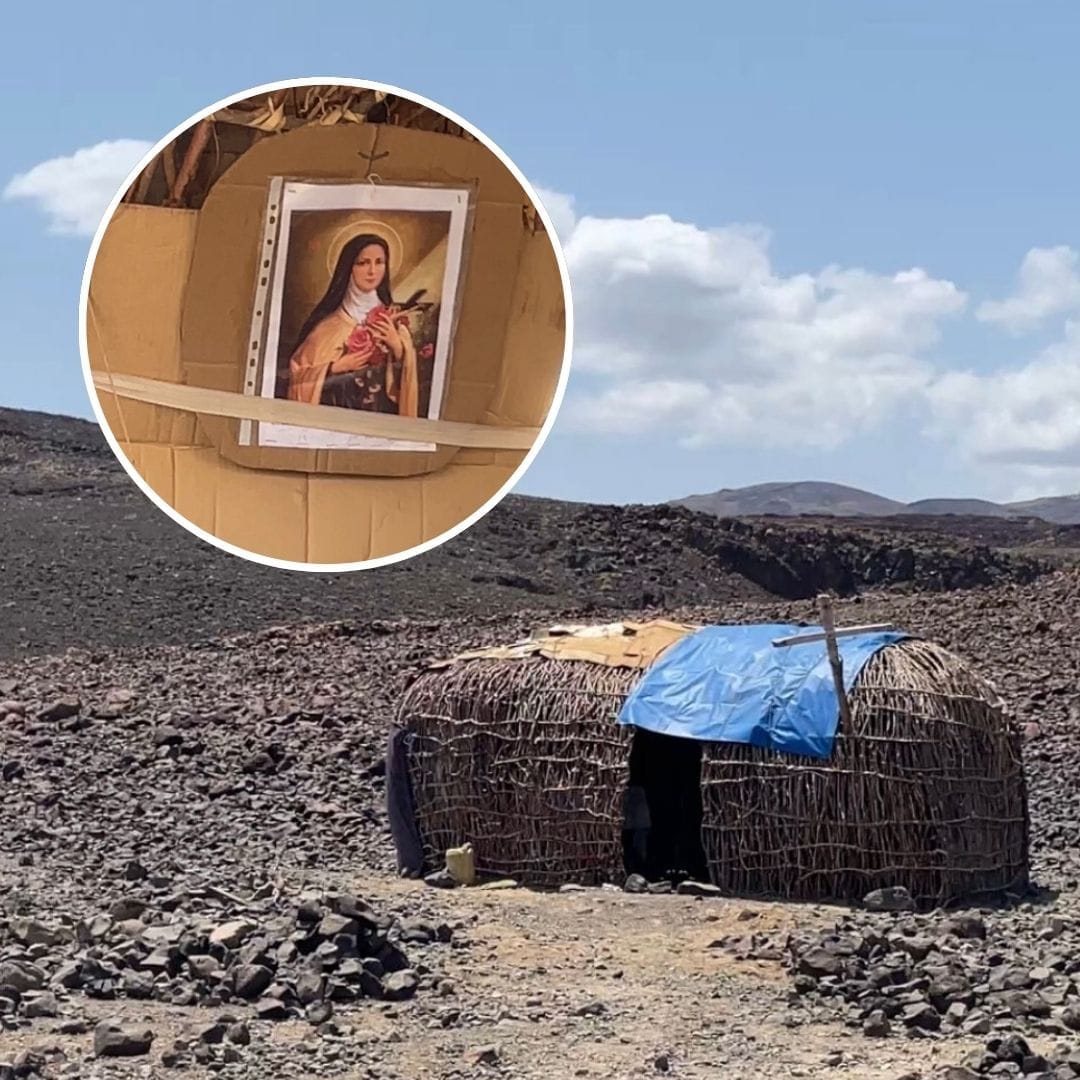
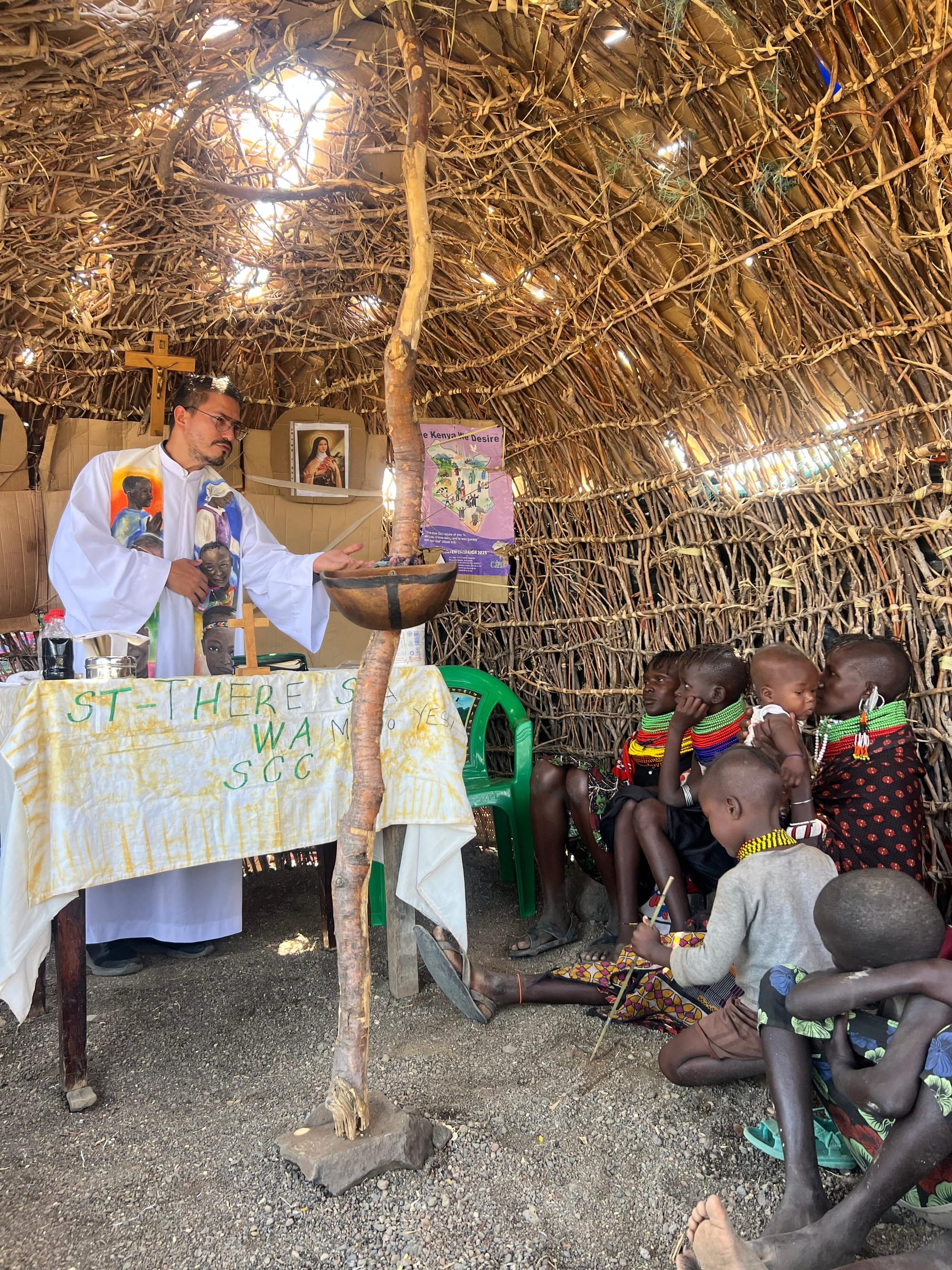
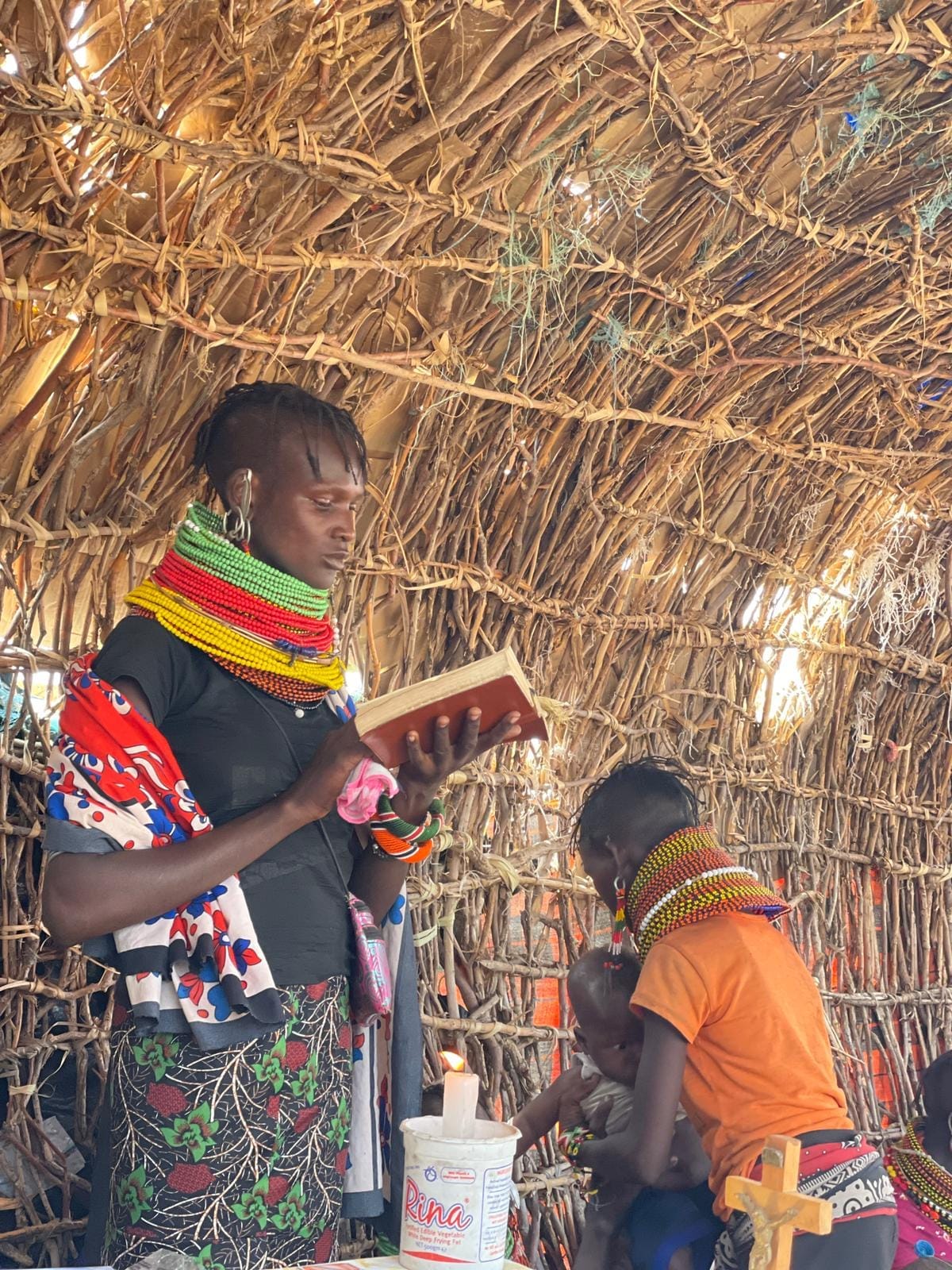
In the remote village of Nakuron, on the Kenyan border with Ethiopia, stands what might be one of the simplest chapels in the world.
Built from branches and palm fronds, it has a small, humble altar and is dedicated to the patron saint of the missions, who never left her convent: Saint Thérèse of the Child Jesus. Her image—printed on plain paper and covered with plastic—adorns the space.
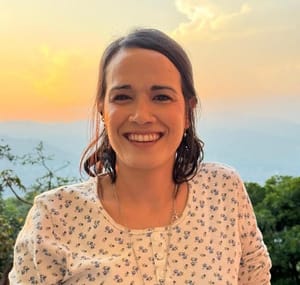
Nicaraguan content creator Walter Gómez discovered the chapel during a missionary trip and shared it on social media, moving thousands of people around the world.
The Story
Walter Gómez is a Nicaraguan digital creator who strives to live his faith to the fullest. His passion is sharing his prayers, reflections, and experiences online to show that Jesus reaches every person, in every reality and circumstance.
Last summer, he joined a missionary trip to Kenya to assist pregnant women and homeless girls. While there, he felt a deep call in his heart to go somewhere even more remote—where no one else wanted to go. By God’s providence, he learned about a mission in Turkana, a region on the border with Ethiopia.
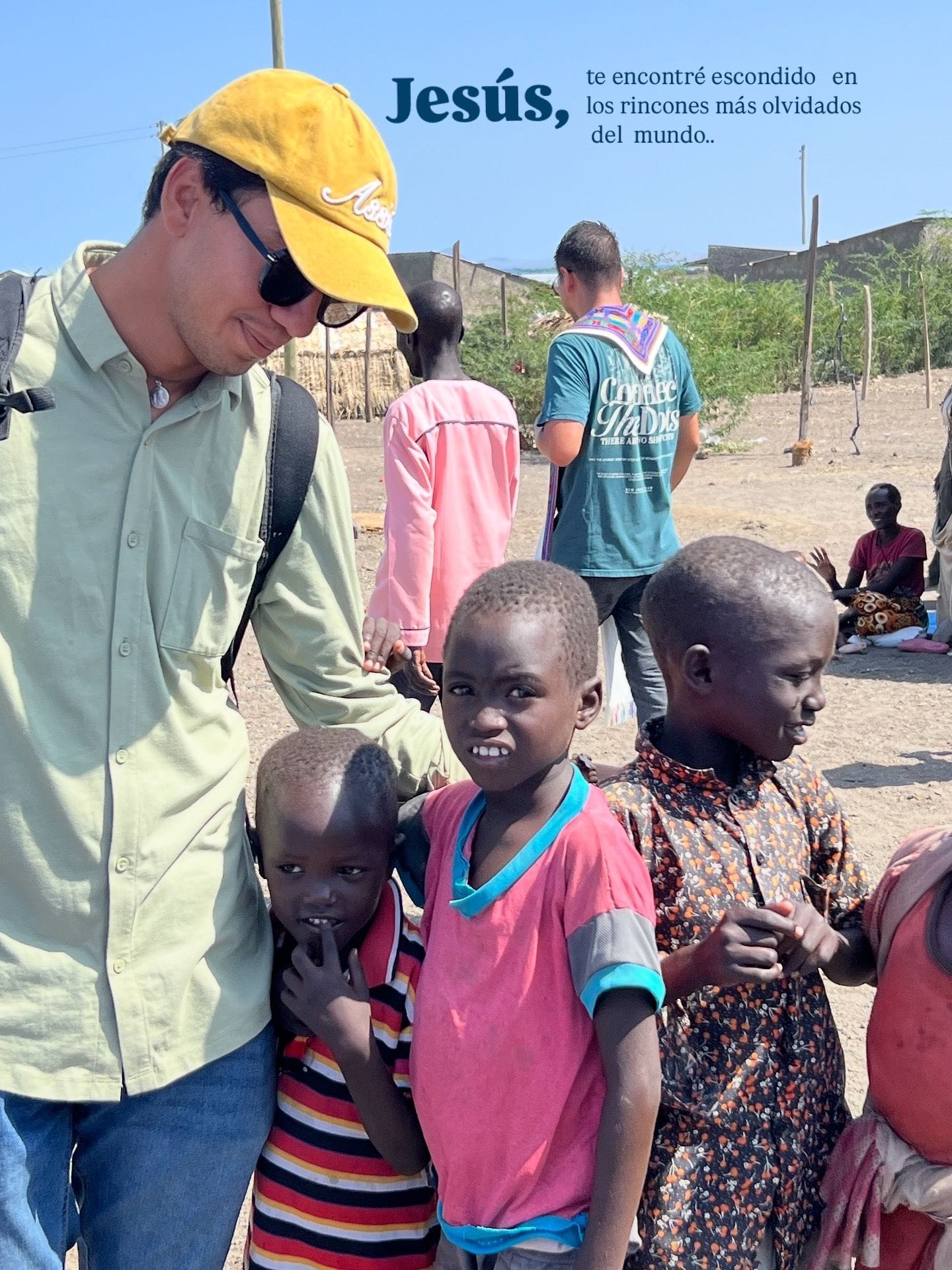
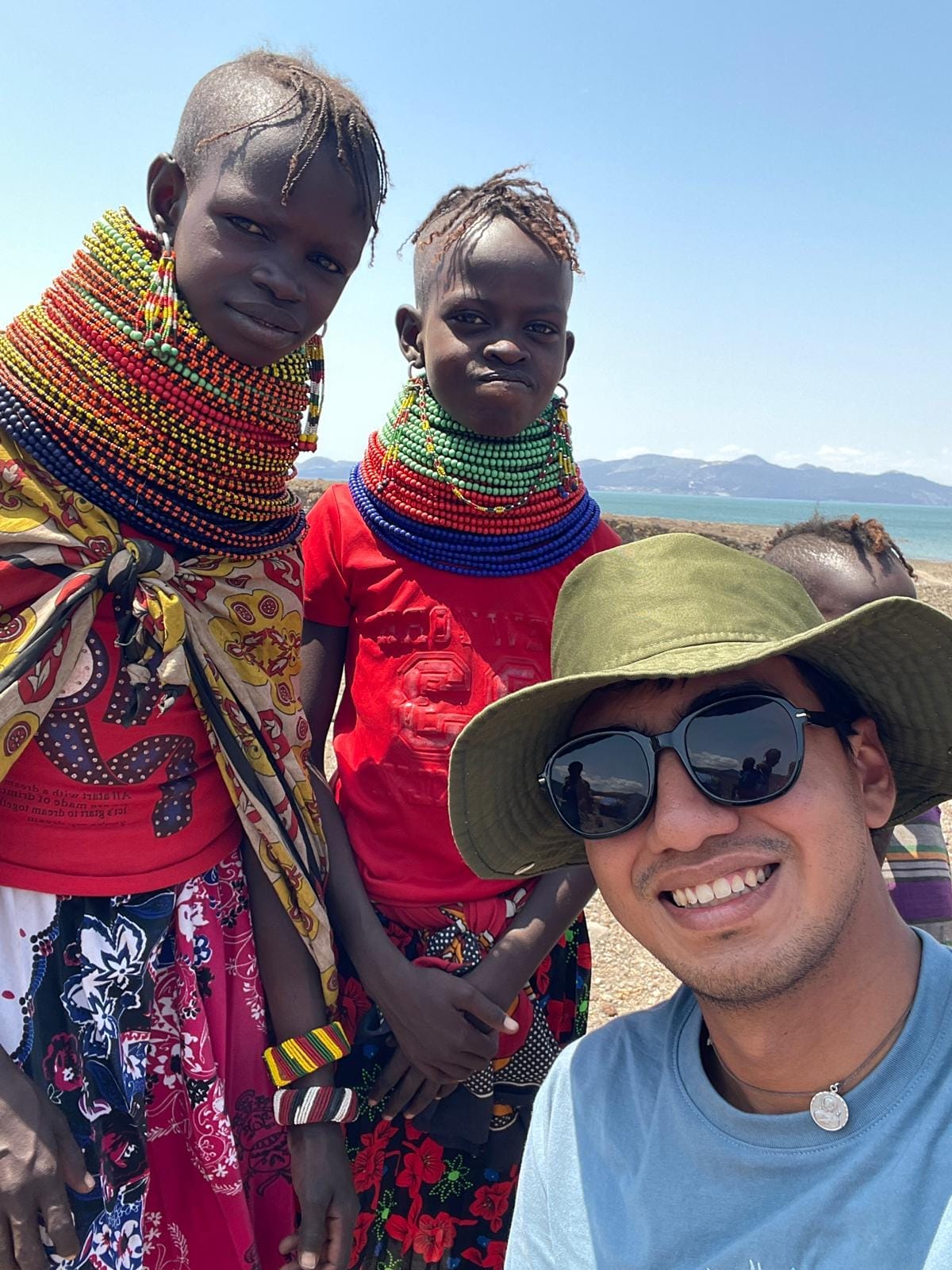
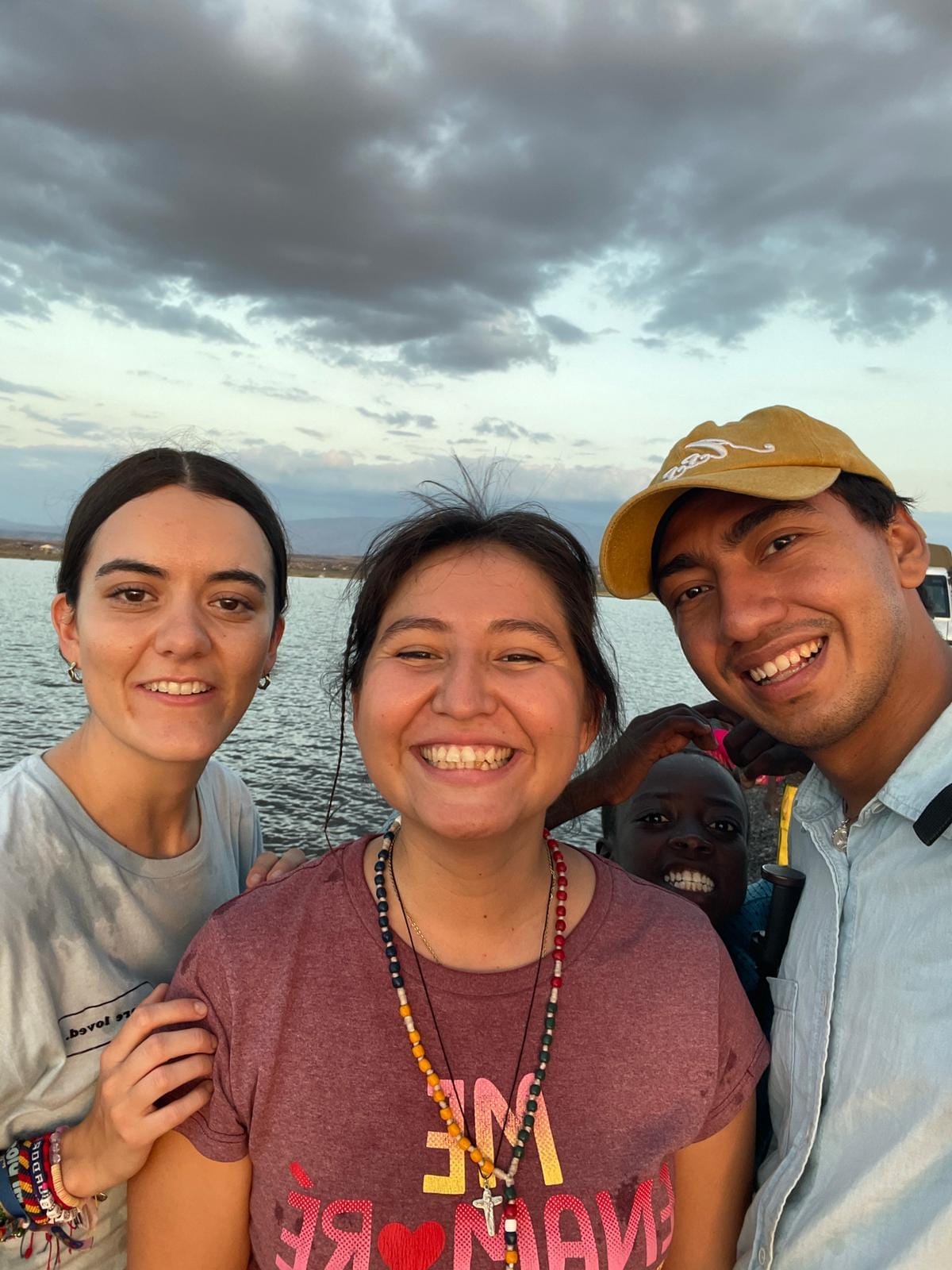
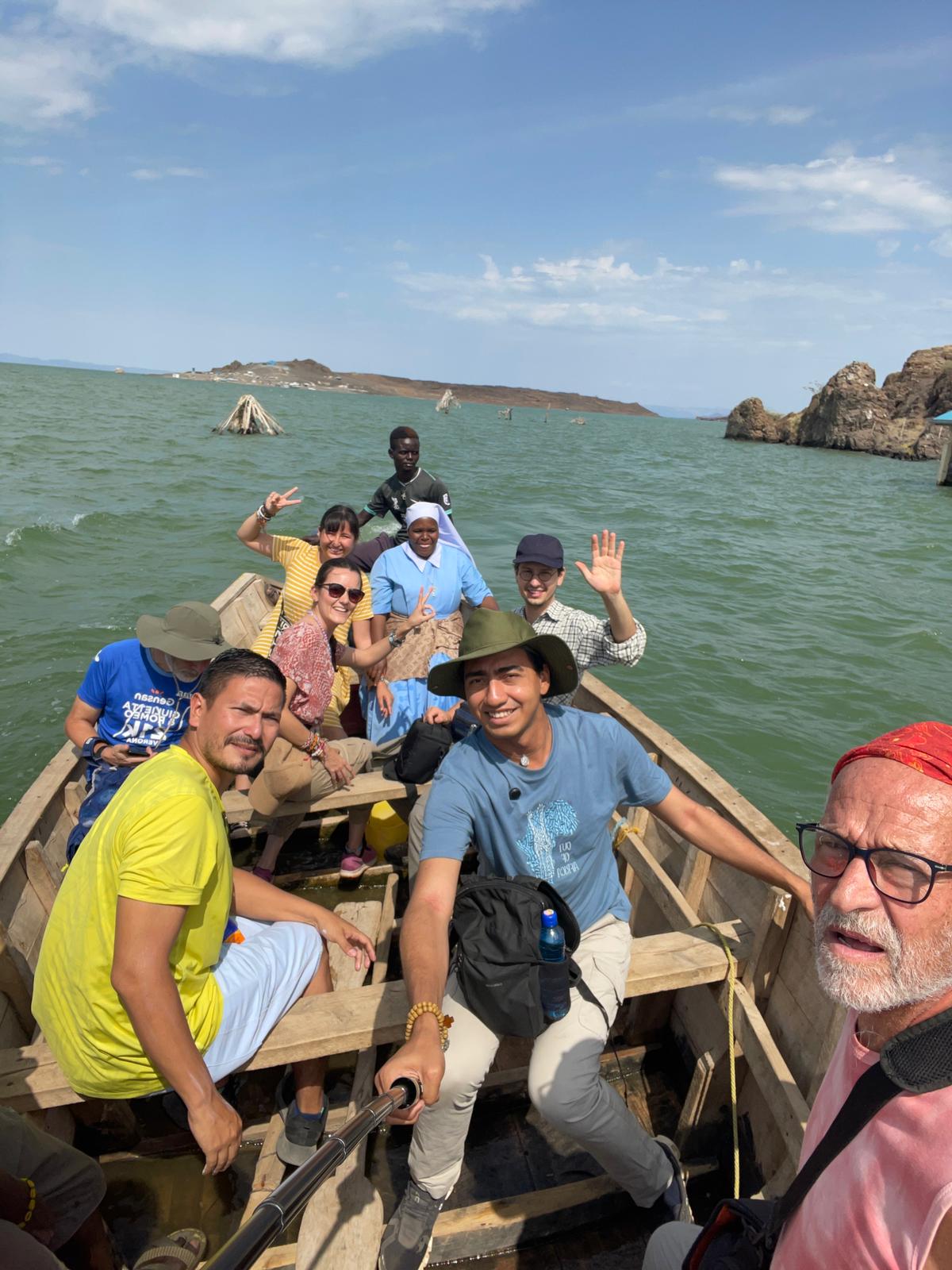
He was soon contacted by Father Jonathan Acuña, a Colombian Consolata missionary priest serving in Africa. When Walter saw the priest’s work, he knew this was where God wanted him to be. For 14 days, Walter and two friends lived in the parish of Loiyangalani, one of the poorest areas in Africa.
Photos courtesy of Walter Gómez.
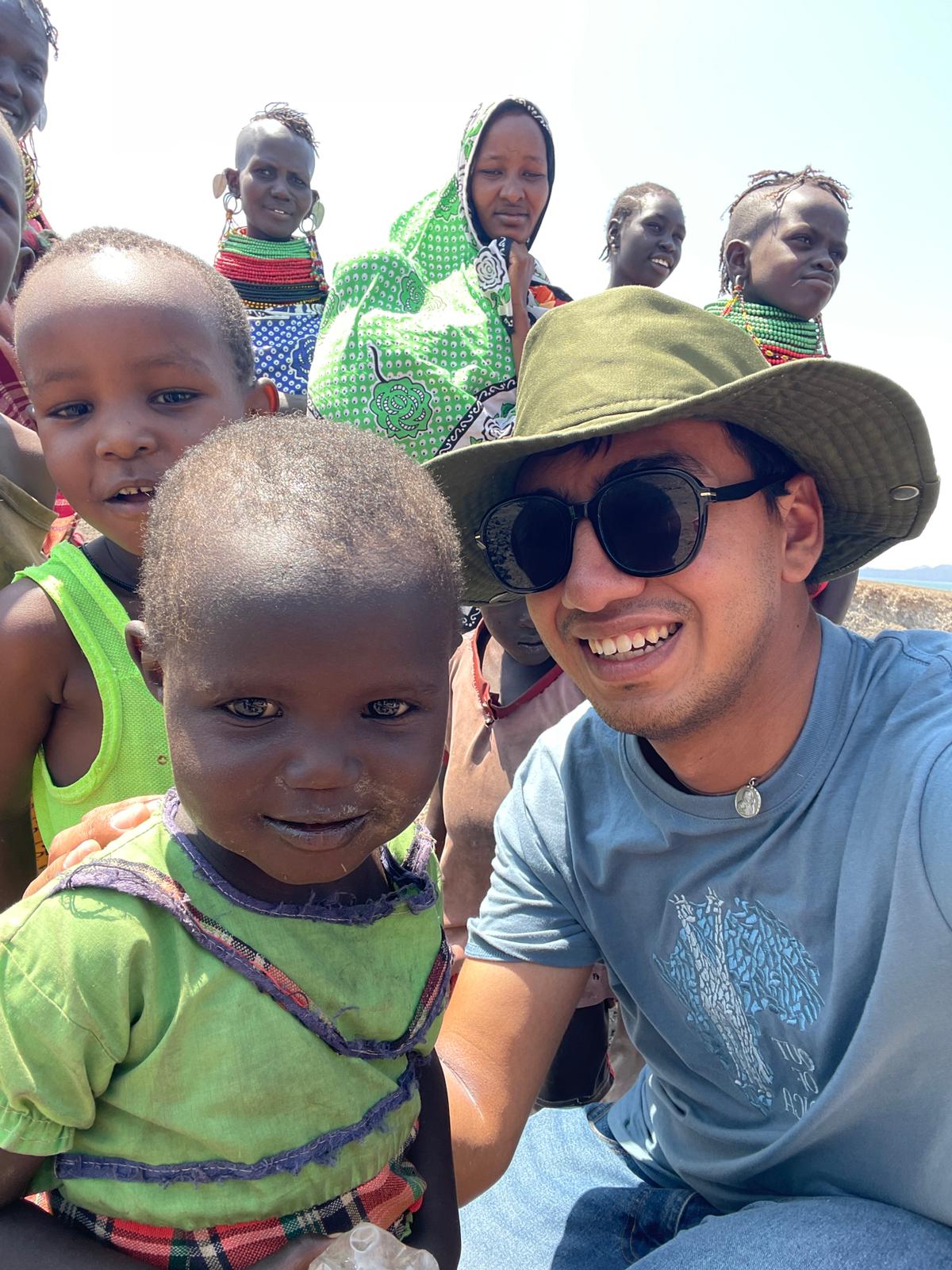
The Turkana are nomadic tribes who live in small communities made up of several families and live in extreme poverty. They are nomadic pastoralists known for their camel breeding and basket making. Lake Turkana, one of the largest lakes in the world, is fundamental to their survival, providing them with food through fishing and agriculture in the midst of this paradoxically desert-like area.
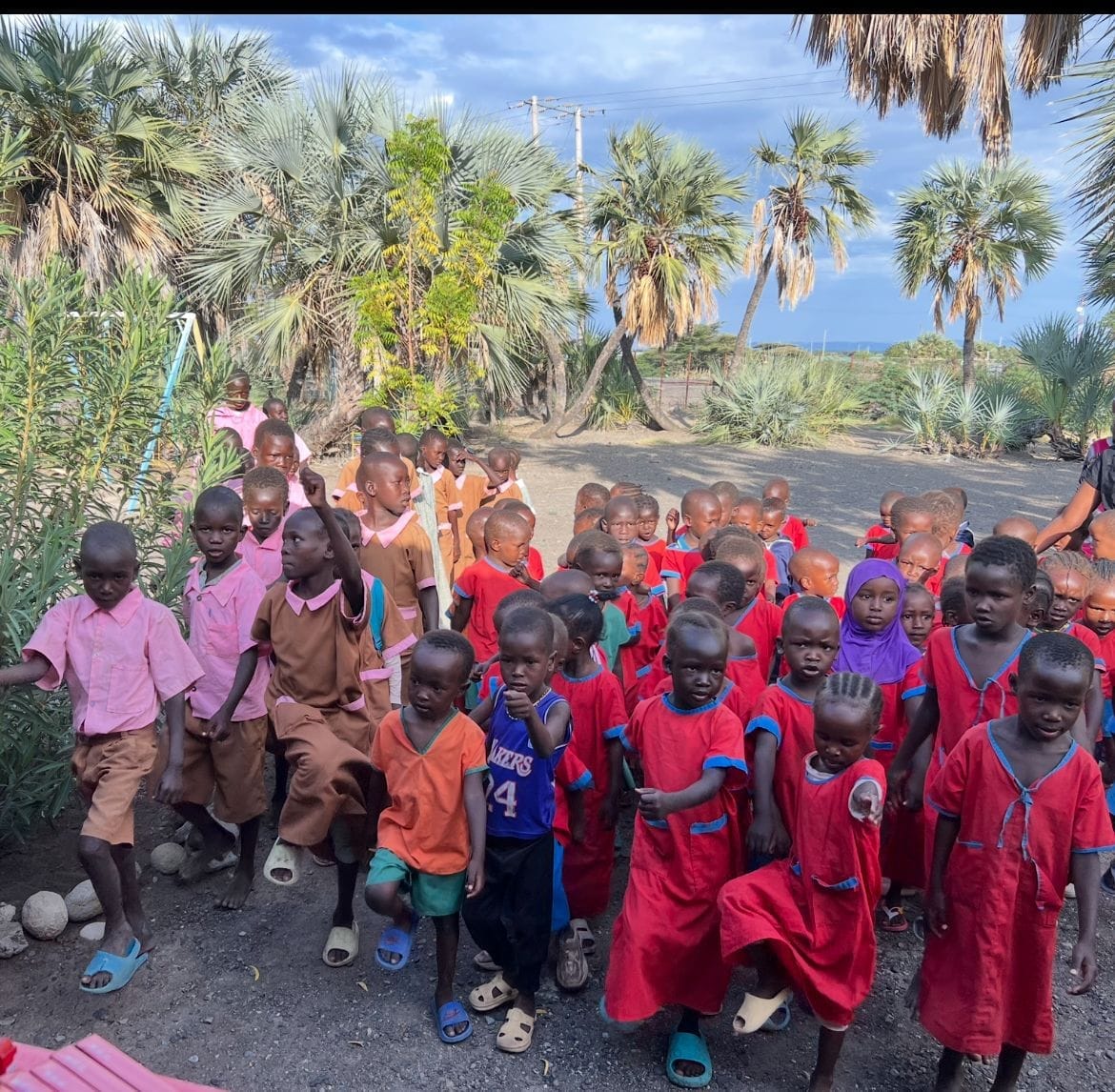
Walter joined Father Jonathan’s mission, working alongside the Consolata Missionaries and the Teresian Missionaries, who run the parish school. There, they provide an extraordinary education to the tribe’s firstborn shepherd children—many of whom had been denied education for generations because they were responsible for leading the flocks.
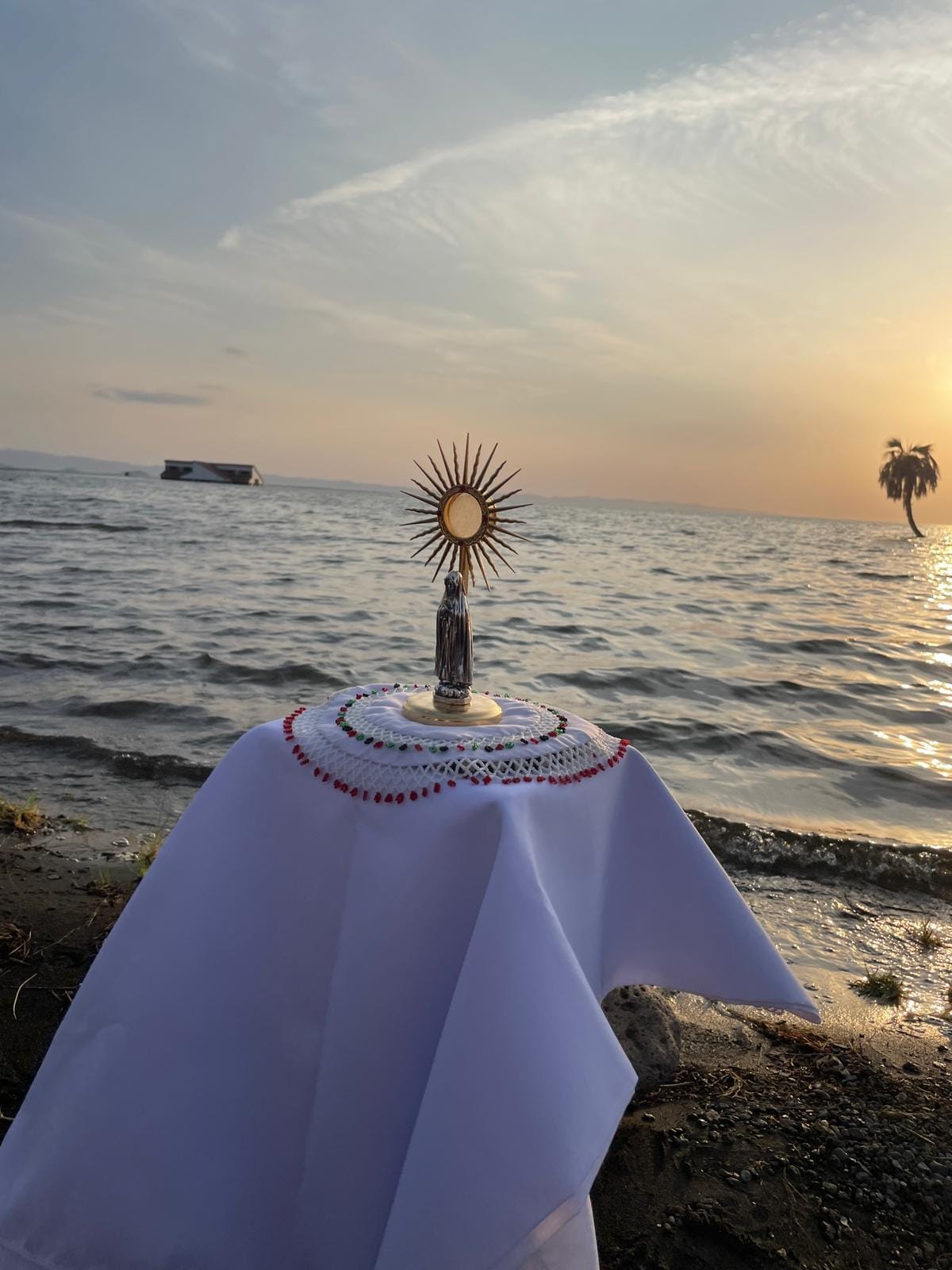
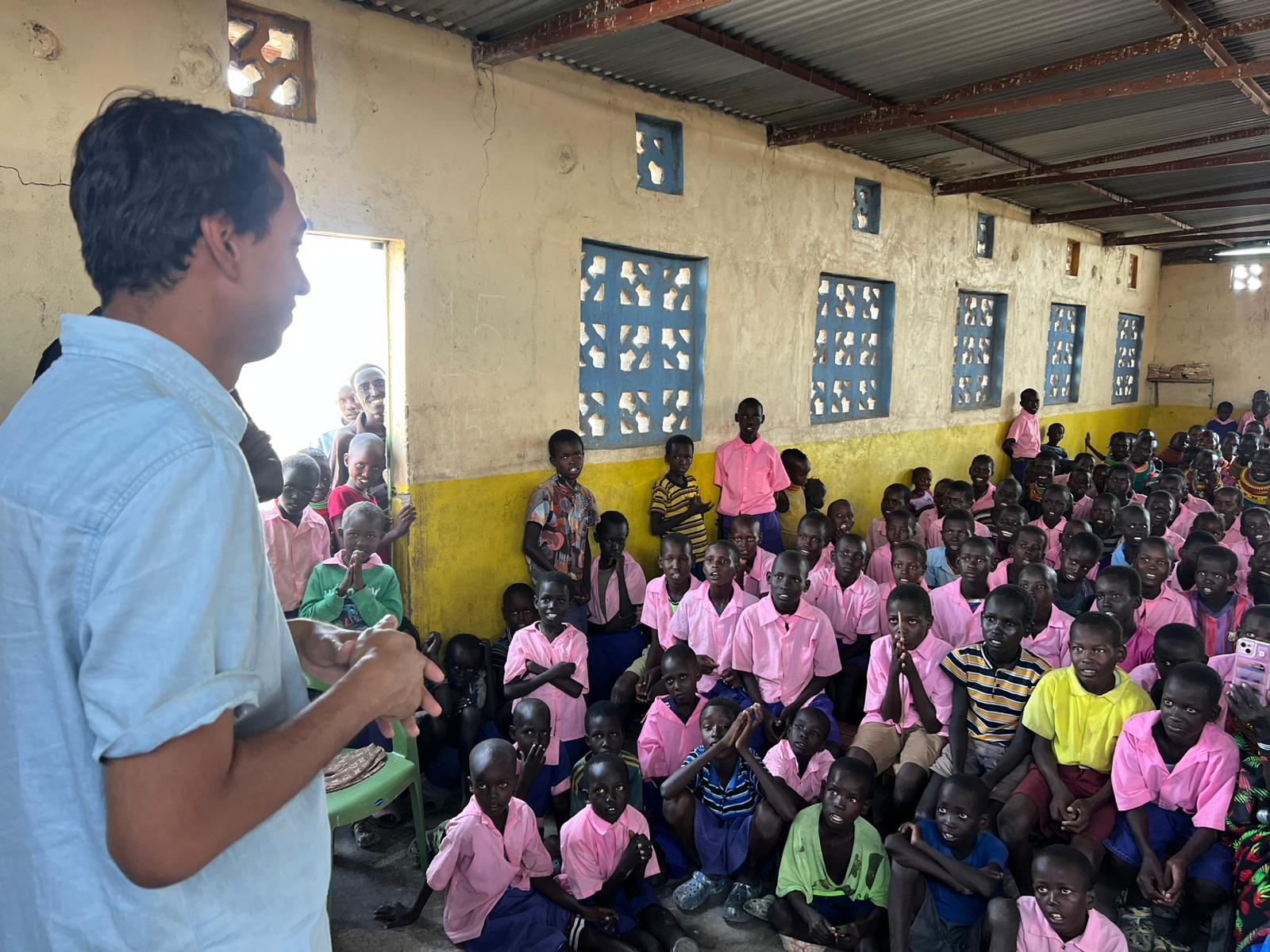
Photos courtesy of Walter Gómez
A Day He Will Never Forget
The entire mission was an extraordinary experience for Walter, but one day in particular left a deep mark on his heart: the day he visited the village of Nakuron.
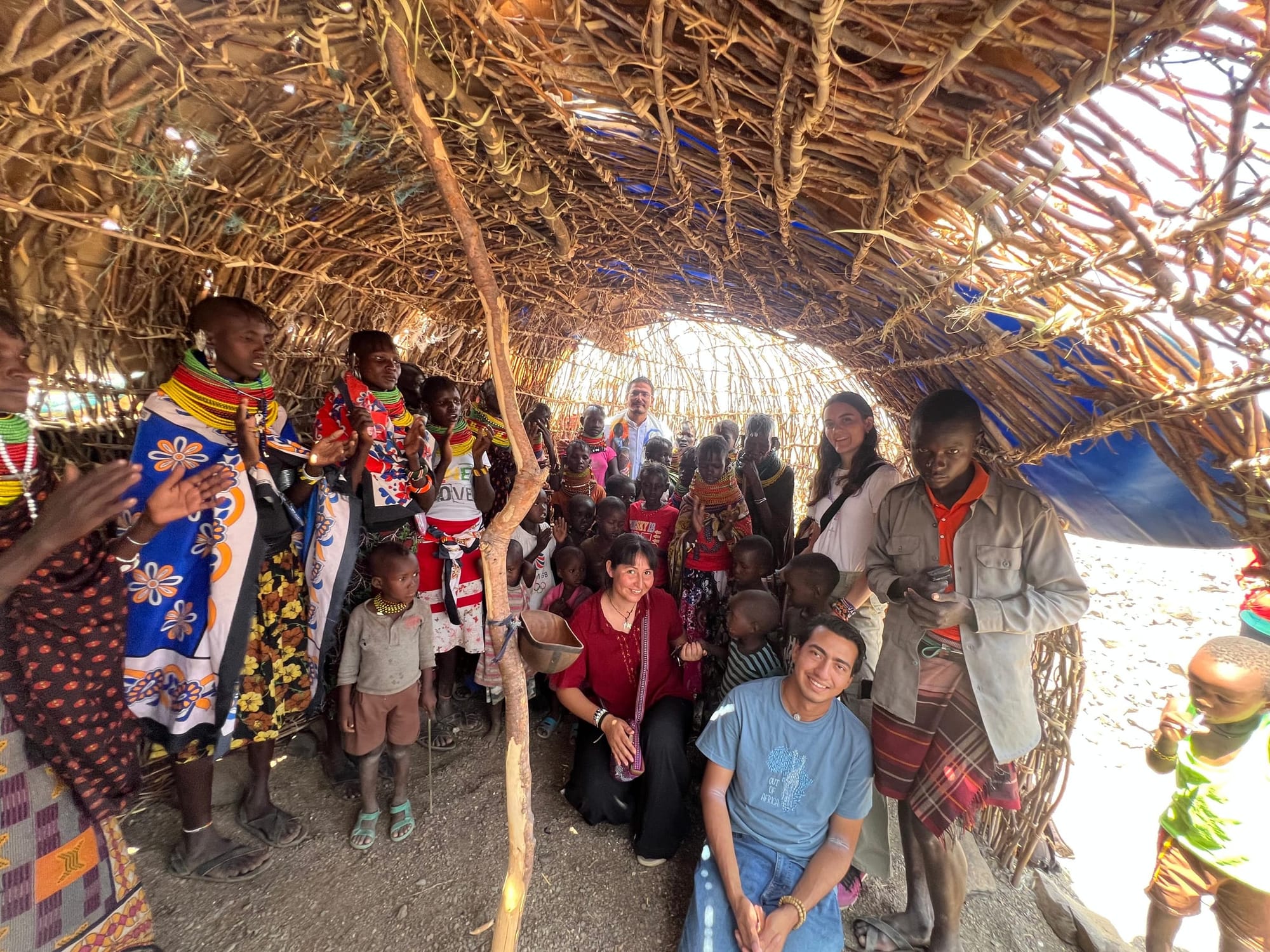
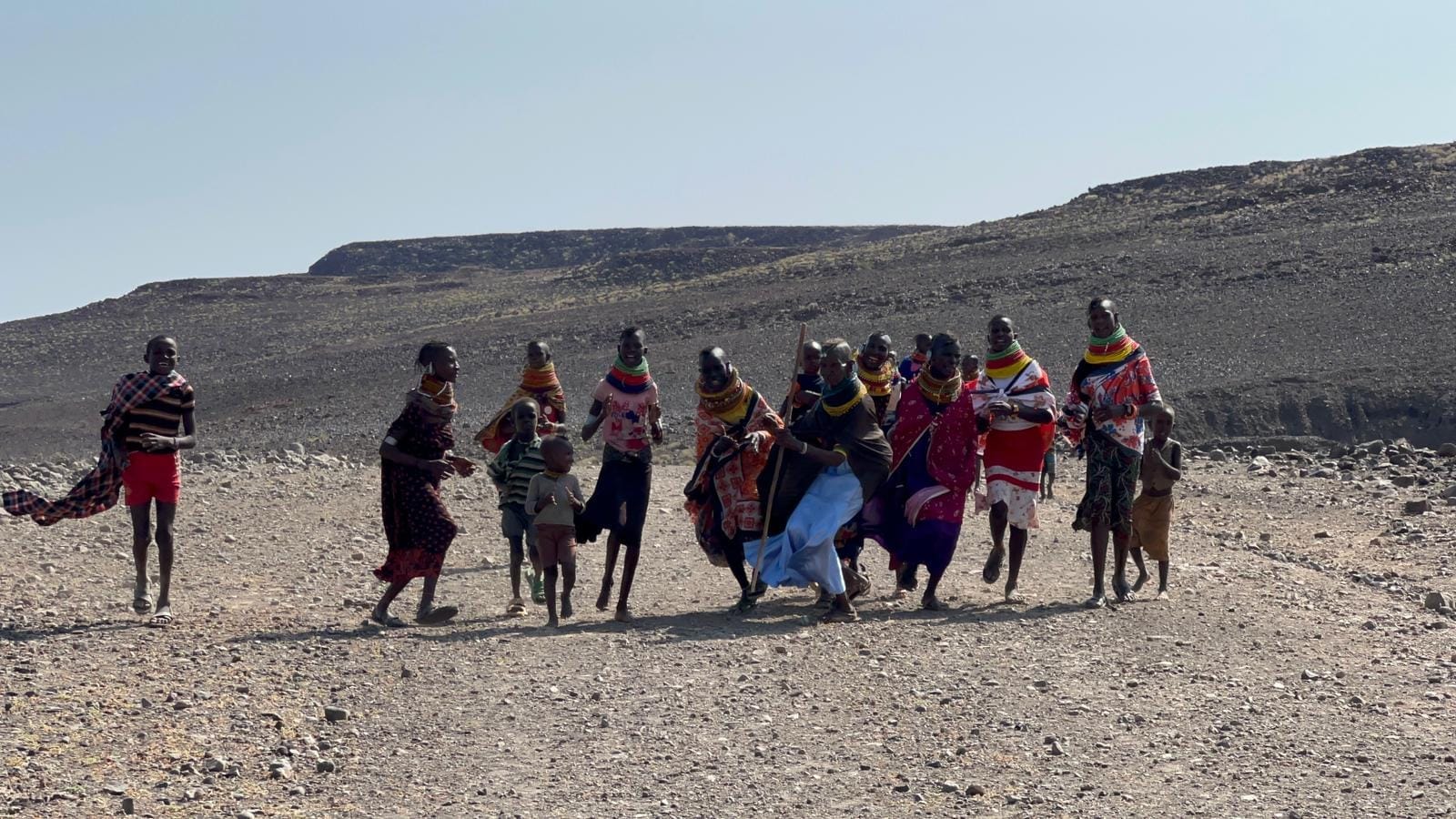
When they arrived, the villagers greeted them with joyful dancing—it had been three months since anyone had visited them.
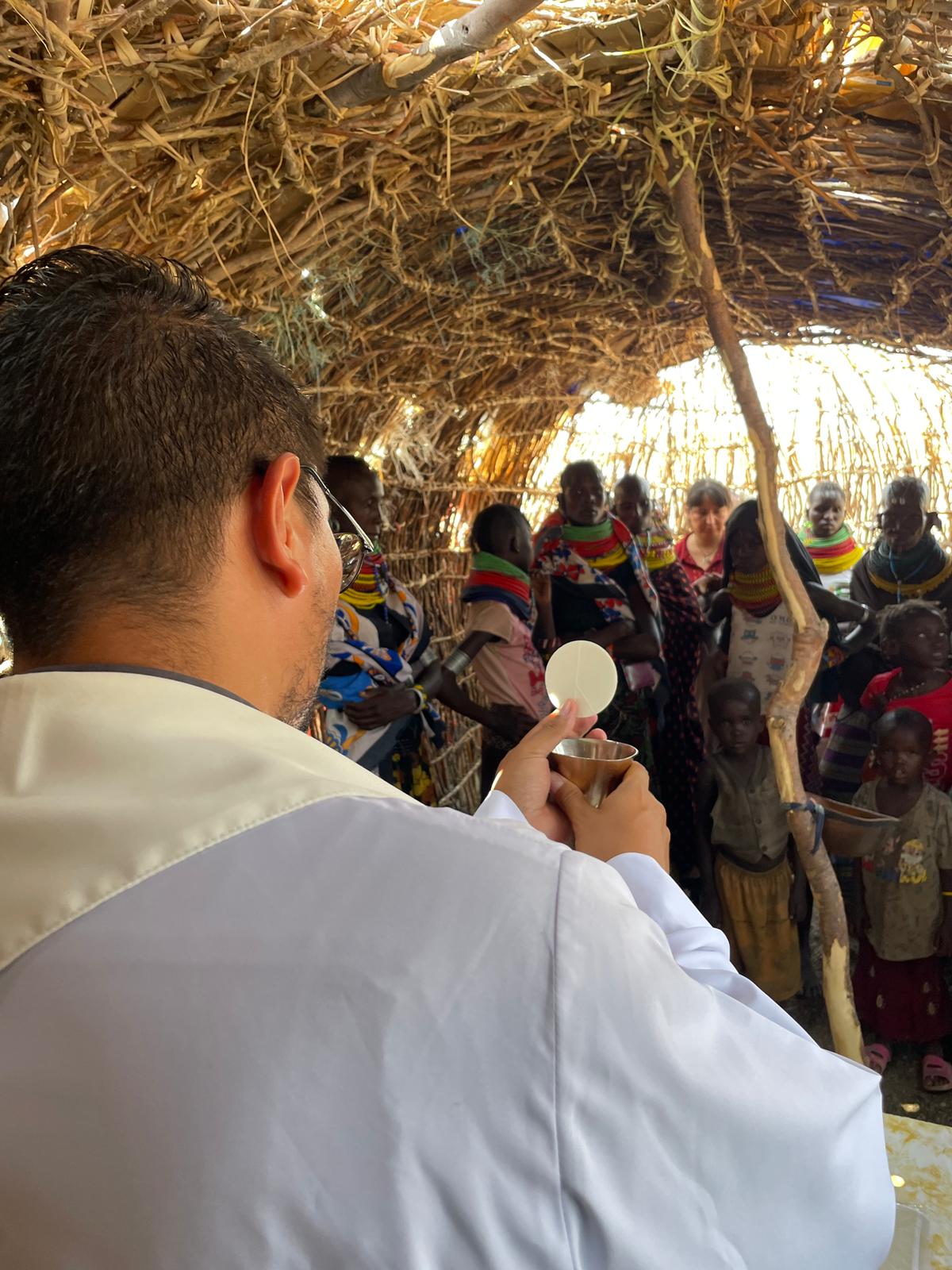
When Walter and his companions entered the tiny chapel—woven together by the women of the tribe from branches and palm leaves—they found a few villagers gathered to celebrate the Eucharist. On the simple altar stood a small image of Saint Thérèse, protected under plastic from the dust and heat.
The scene deeply moved Walter. As he gazed at the image, one thought filled his mind:
“You did it, Teresita, you did it—you reached a remote part of the world as a missionary.”
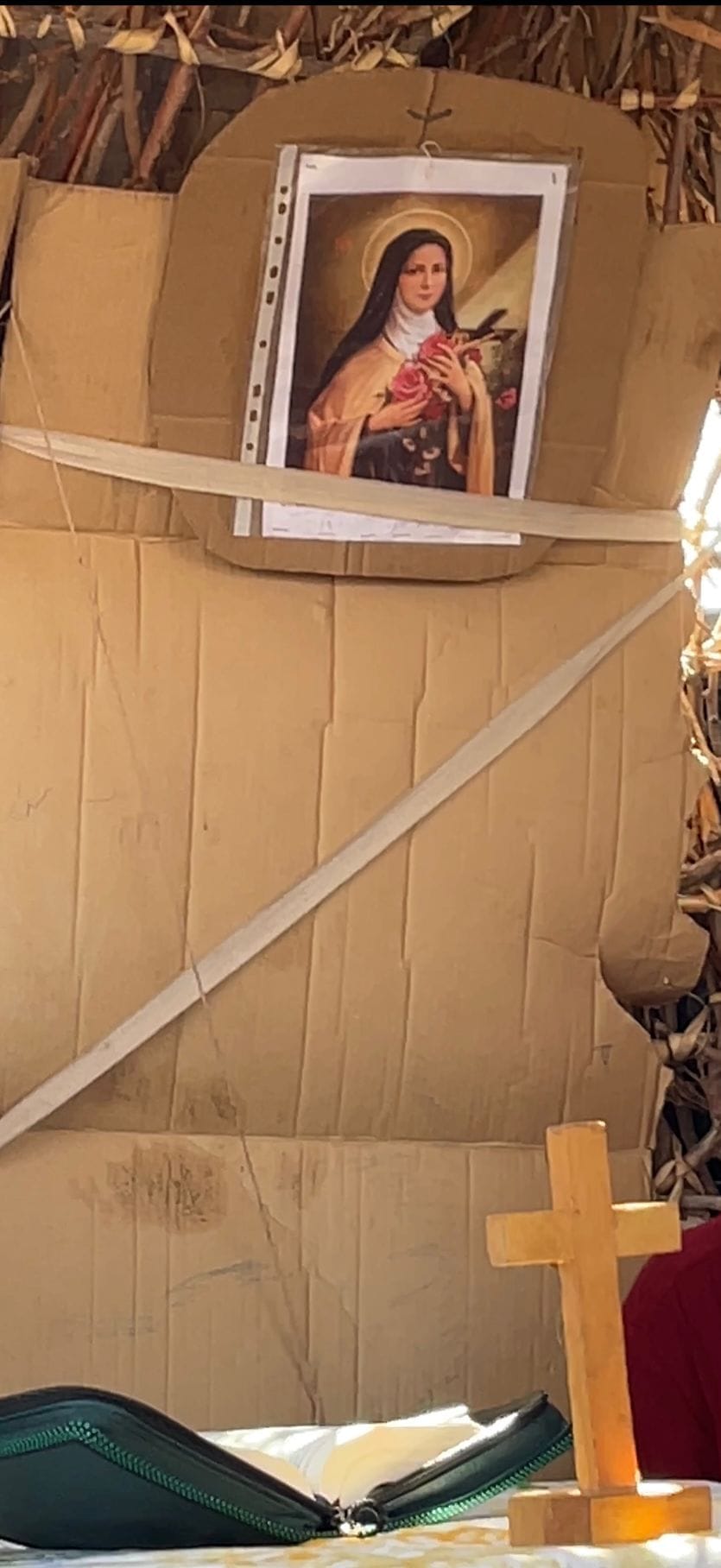
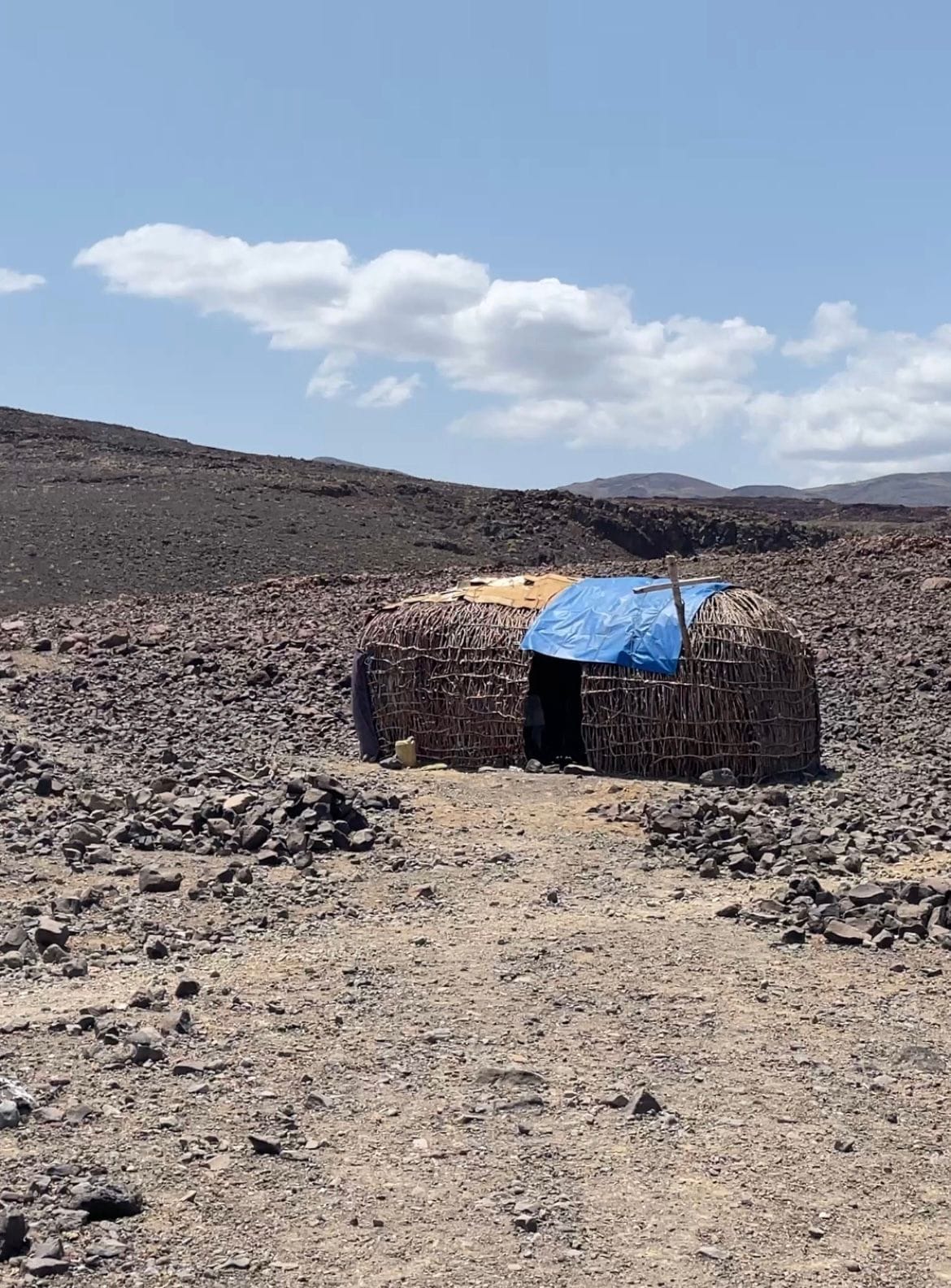
Photos courtesy of Walter Gómez
Walter was deeply moved by how the Church is alive in even the most remote corners of the world, and by the sacrificial love of priests and nuns who bring the Gospel where few others go.
“The Gospel reaches those corners, and Christ in the Eucharist becomes present. It does not dignify the place itself, but rather the reality of each person as a son or daughter of God, regardless of their context, simply by being present.”
The priest celebrated Mass in Swahili, the official language of Kenya and several African countries, amid songs and prayers filled with faith and devotion.
The Patron Saint of the Missions Who Never Left Her Convent
Saint Thérèse, the patron saint of the missions, and Walter’s encounter with this humble chapel remind us of an essential truth: even from where we are, we can pray for and support the Church’s mission in the forgotten corners of the world.
Although Saint Thérèse of the Child Jesus never left her Carmelite convent, her love for Jesus led her to offer her prayers, sacrifices, and sufferings for missionaries and the evangelization of the world. She accompanied them as a “spiritual sister” through letters, consolation, and constant prayer.
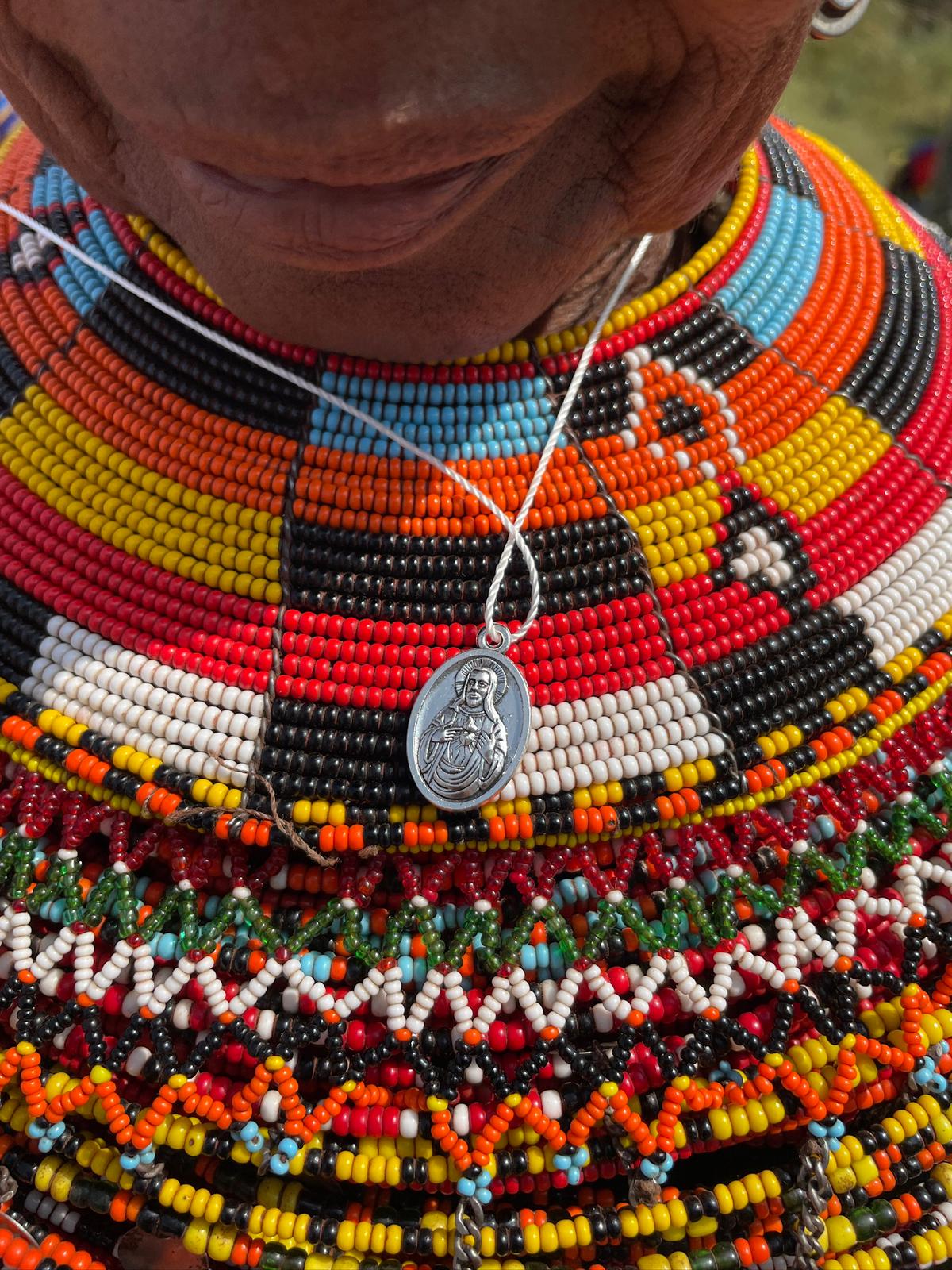
Photos courtesy of Walter Gómez.
Thérèse understood that prayer and love have missionary power equal to—or greater than—visible action. She taught that anyone can be a missionary from the heart, making love the driving force of the entire Church. For this reason, in 1927, Pope Pius XI proclaimed her the universal patroness of the missions, along with Saint Francis Xavier.