

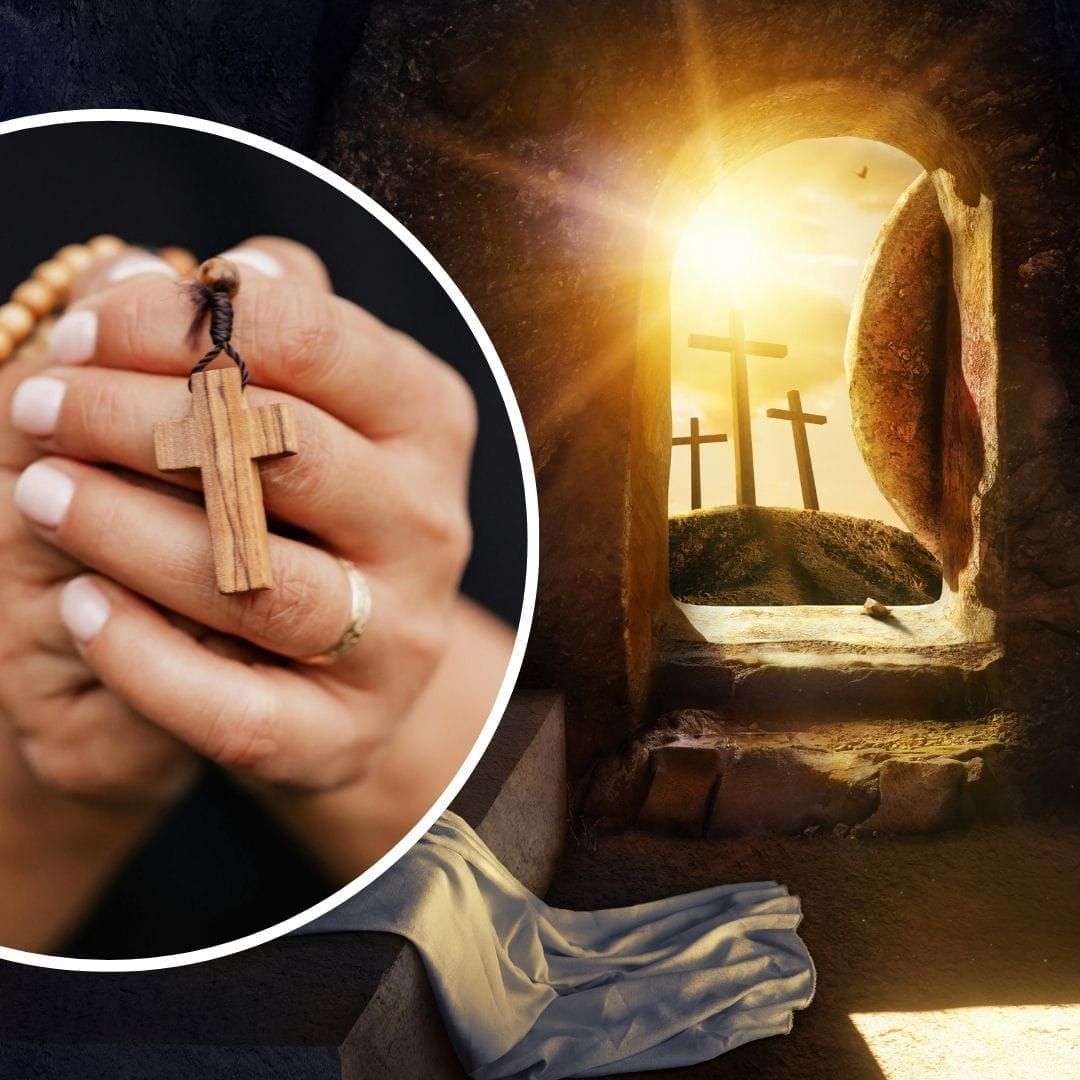
The Resurrection of Christ is the center of the Christian faith and the source of our hope. Yet many believers still wonder why pain, evil, and suffering persist in everyday life.
This reflection seeks to address that question through lived experience and the hope that flows from Easter.
1) The Question That Rises From the Heart in Suffering
“Rejoice in the Lord always; I will say it again: Rejoice!” (Phil 4:4).
The Christian message is clear: Christ is risen. Sin does not have the last word. Death has been defeated. Light has triumphed over darkness. Yet we need only look at our own lives—or the lives of those around us—to notice something unsettling: suffering remains.
We continue to experience loss, illness, conflict, failure, and fear. At times, even when we believe, our hearts grow weary. Doubts arise, along with spiritual fatigue and a troubling question: Where is God when it hurts?
The Bible does not hide this reality. It does not soften or deny it. On the contrary, it speaks of it plainly. Saint Paul writes:
“We even boast of our afflictions, knowing that affliction produces endurance, and endurance, proven character, and proven character, hope.” (Rom 5:3–4)
Suffering is not an anomaly in the Christian life—it is part of the journey.
2) The Resurrection: A Real Victory That Does Not Eliminate the Cross
The Resurrection of Christ is not merely a beautiful symbol or a motivational idea. It is the heart of the Christian faith. Saint Paul says it directly:
“And if Christ has not been raised, then empty [too] is our preaching; empty, too, your faith.” (1 Cor 15:14)
Believing in the Resurrection changes everything—but not always in the immediate way we expect. Christ has triumphed, yes, yet we continue to walk in a world where evil exists, and the cross remains part of life.
That is why the question persists: If Christ has won, why does it still hurt so much? Why do some crosses seem too heavy? Why does God sometimes seem silent?
These questions are not signs of weak faith. Often, they are prayer—the cry of a heart that continues to seek God even without understanding.
3) A Hope That Does Not Promise Ease, but Meaning
The Christian faith never promised a life without suffering. What it offers is something deeper: the assurance that pain does not have the final word. Christ’s victory does not remove the cross, but transforms it from within. It reveals that suffering is not meaningless and that no wound is beyond God’s reach.
That is why Saint Paul can boldly say:
“Hope does not disappoint, because God’s love has been poured into our hearts” (Rom 5:5).
We live in a kind of tension: Christ is risen, yet the fullness of His glory has not been fully revealed. We walk between the promise and its fulfillment. That is why we suffer—but we do not suffer without hope. Every cross borne with Christ is touched by the light of Easter, even when that light is not yet clearly seen.
4) When Suffering No Longer Has the Last Word
The Resurrection does not erase pain, but it assures us that no wound is final when we remain united to Christ. The empty tomb does not cancel the cross—it gives it new meaning.
“If we died with Christ, we believe that we will also live with Him” (Rom 6:8).
Perhaps the most important question is no longer simply why we suffer, but with whom we suffer. Pain lived apart from God can feel crushing, but pain lived with Him can open a path to hope.
The Resurrection does not answer every question. But it ensures that suffering does not have the last word. And that—while it does not remove everything—changes everything.
5) A Call to Prayer and Daily Living
What specific suffering am I facing today that I have not yet placed in God’s hands? Do I truly believe that the Risen Christ walks with me in that wound?
This week, take a moment to name before the Lord what weighs most heavily on your heart, and surrender it to Him—even if you do not yet see an answer.