

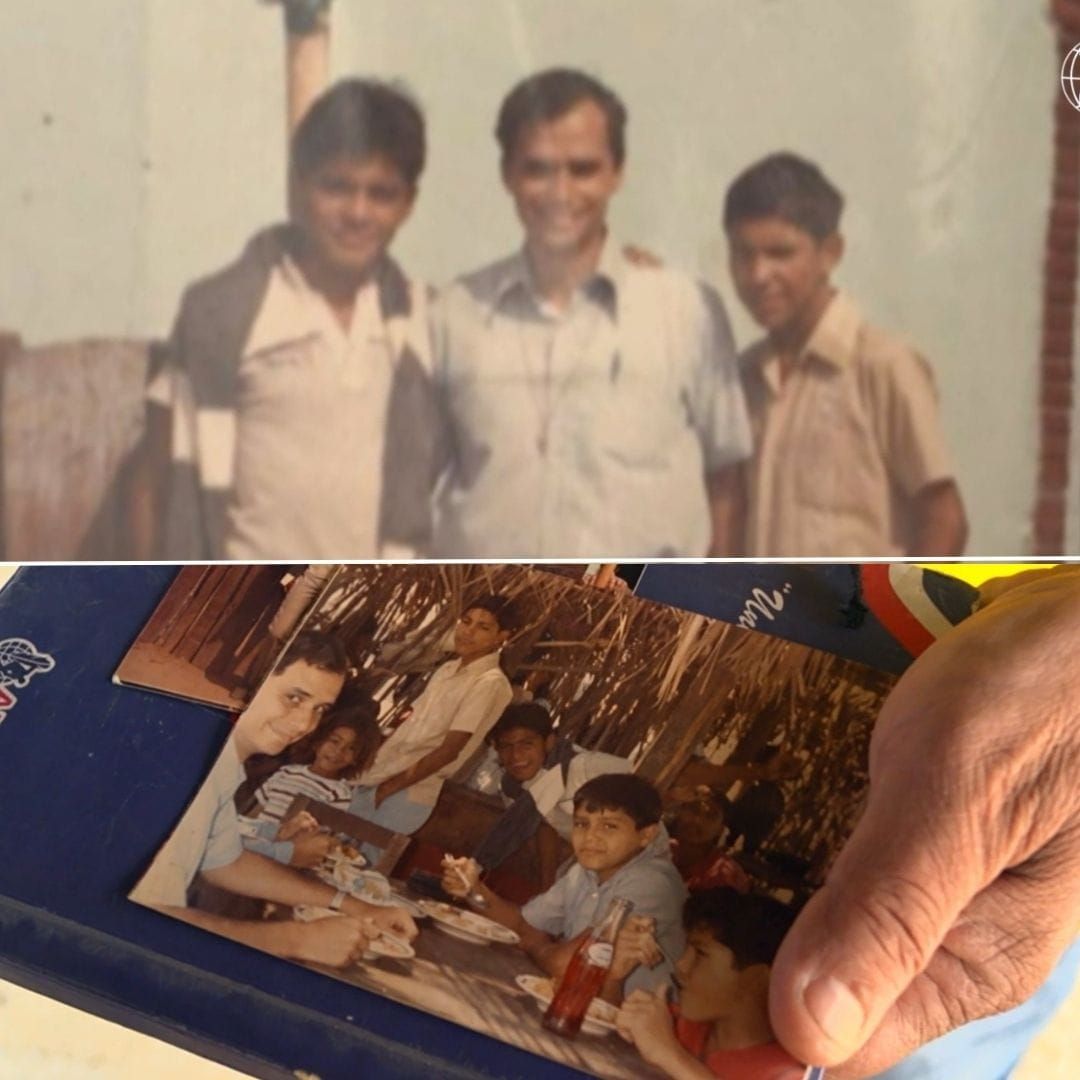
Before he was Pope Leo XIV, he was simply Father Roberto, a young American missionary priest in Peru who understood that guiding young people meant more than preaching. It meant walking with them.
As seen in the EWTN News documentary “Pope Leo’s Peru,” his first assignment brought him to Chulucanas, a small, remote city in northwest Peru.
Though he would remain there for just one year, what he encountered and the people he met would shape his life forever. It was 1985, and he had just turned 30.
In this rural community known for its pottery and agriculture, Father Roberto quickly became a steady presence for local youth. He focused on keeping them out of trouble while helping them grow in their relationship with God, but he did so in a way that felt personal. And his approach worked.
Many of his former altar servers gathered with EWTN News to reminisce on serving with Pope Leo 40 years earlier.
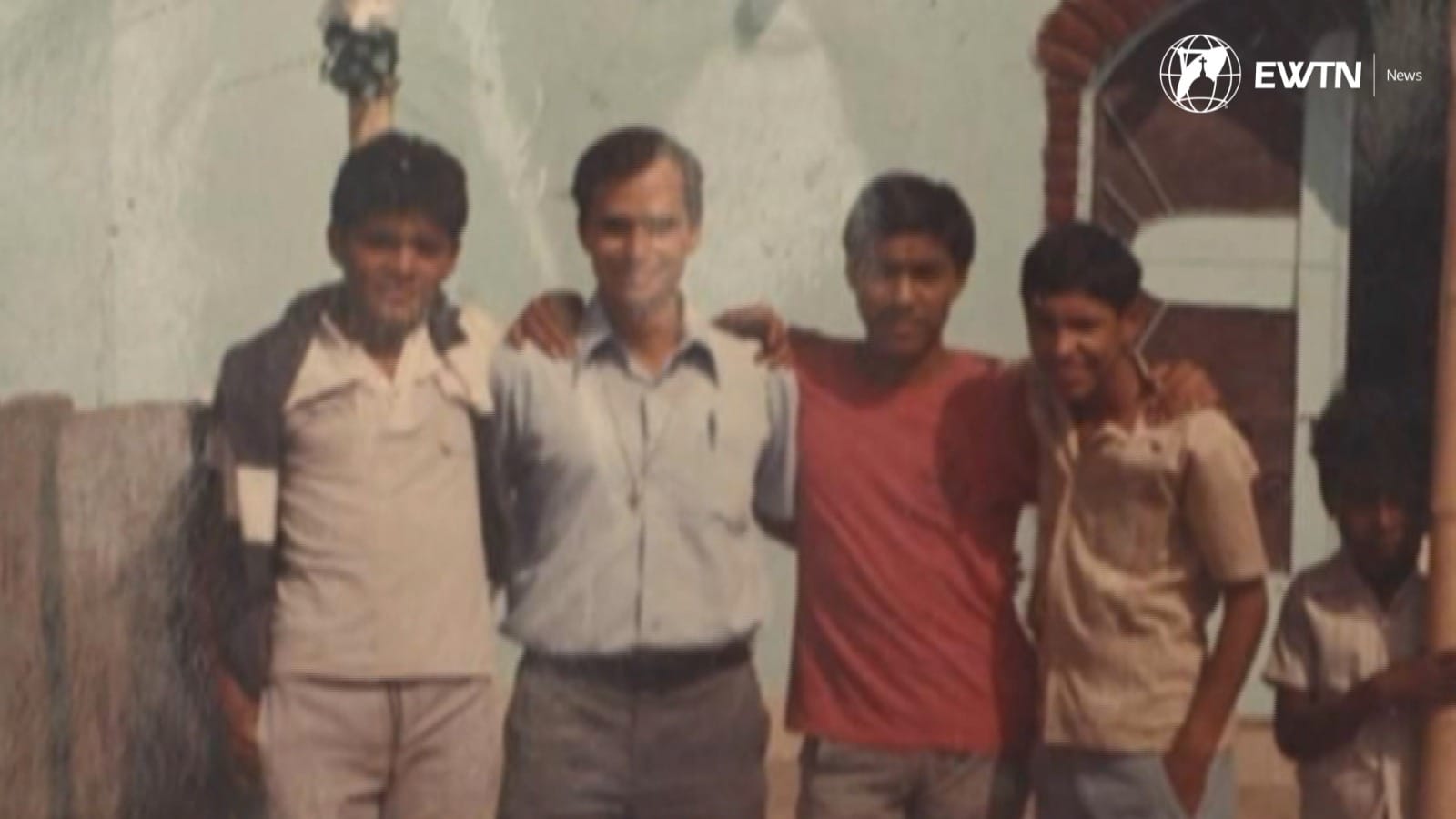
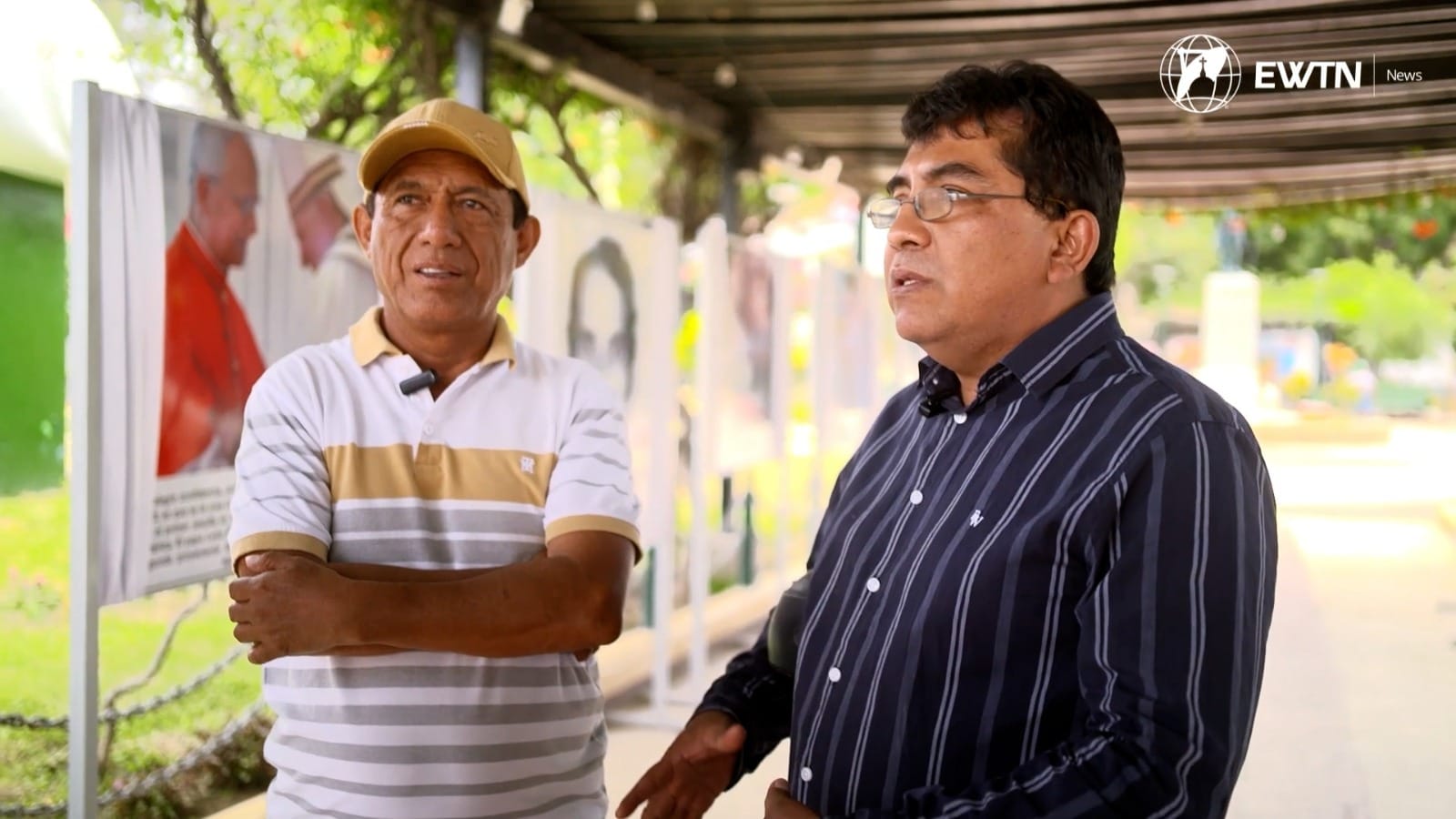
Martin Feijo remembers, “Father Roberto would call us to meetings on Saturday evenings, but we, as young people, wanted to go out to the disco and all those things typical of our age.”
Fernando Garcia adds, “But we didn't go out anymore because we stayed with him.”
Father Roberto didn’t just ask for their time; he filled it with purpose and joy.
He organized sports tournaments, group activities, and trips to the beach, creating a sense of community that made faith something lived, not just taught. And sometimes, his methods were unexpected.
Rodolfo Yepez Castro recalls that on one occasion, the young missionary took the group of boys for a somewhat surprising outing… a rock concert of a Peruvian band named “Grupo Rio”.
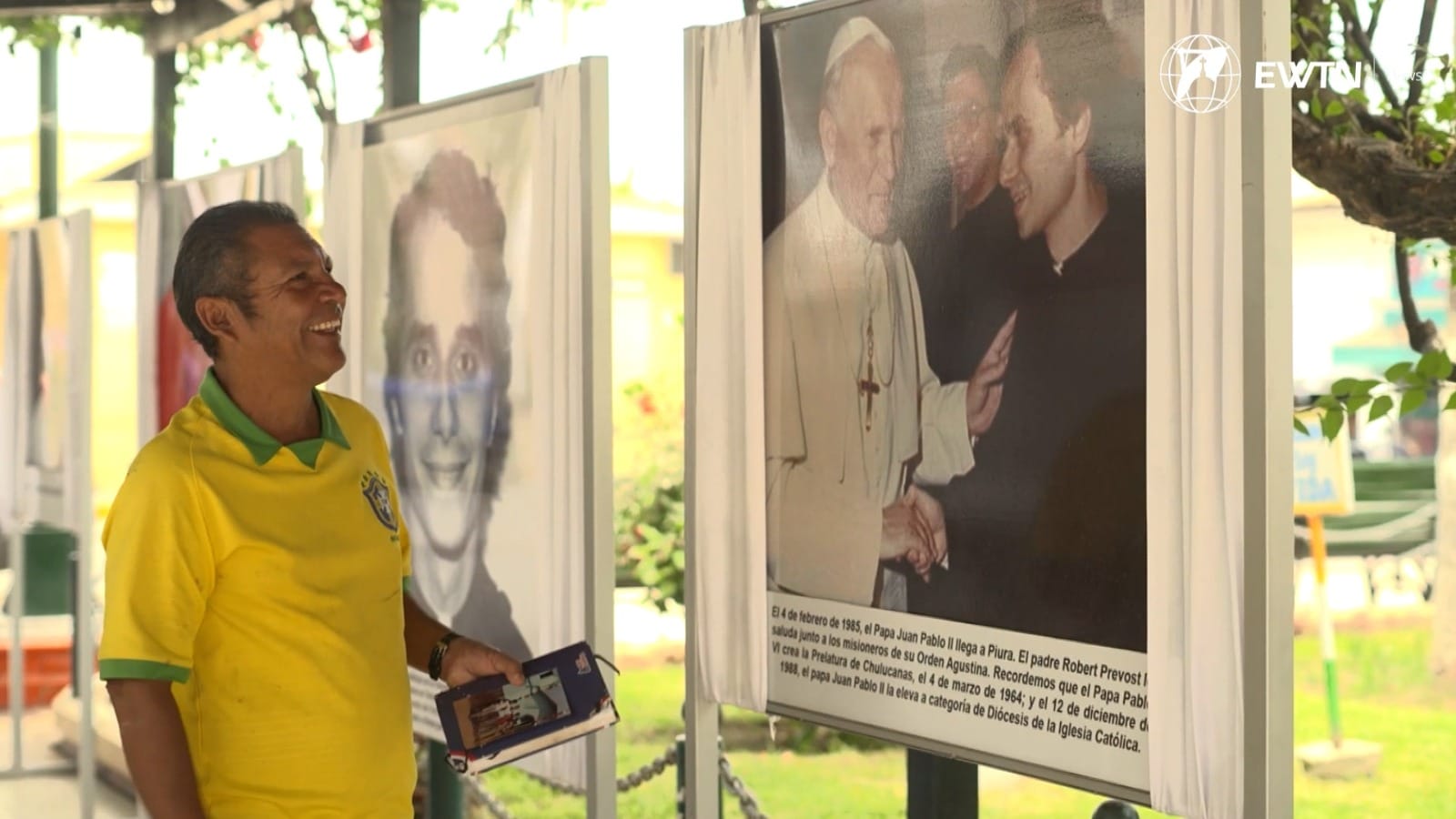
“He took us to the concert and got tickets as a way of rewarding us for something we did. And he didn't want to come in, but we encouraged him, and he came in with us and stayed at the concert.”
The boys didn’t just see a priest that day; they saw someone willing to step into their world. And they say Pope Leo had fun!
But what stayed with them wasn’t just the fun. It was the friendship, the trust, the authenticity of a priest who chose to be present.
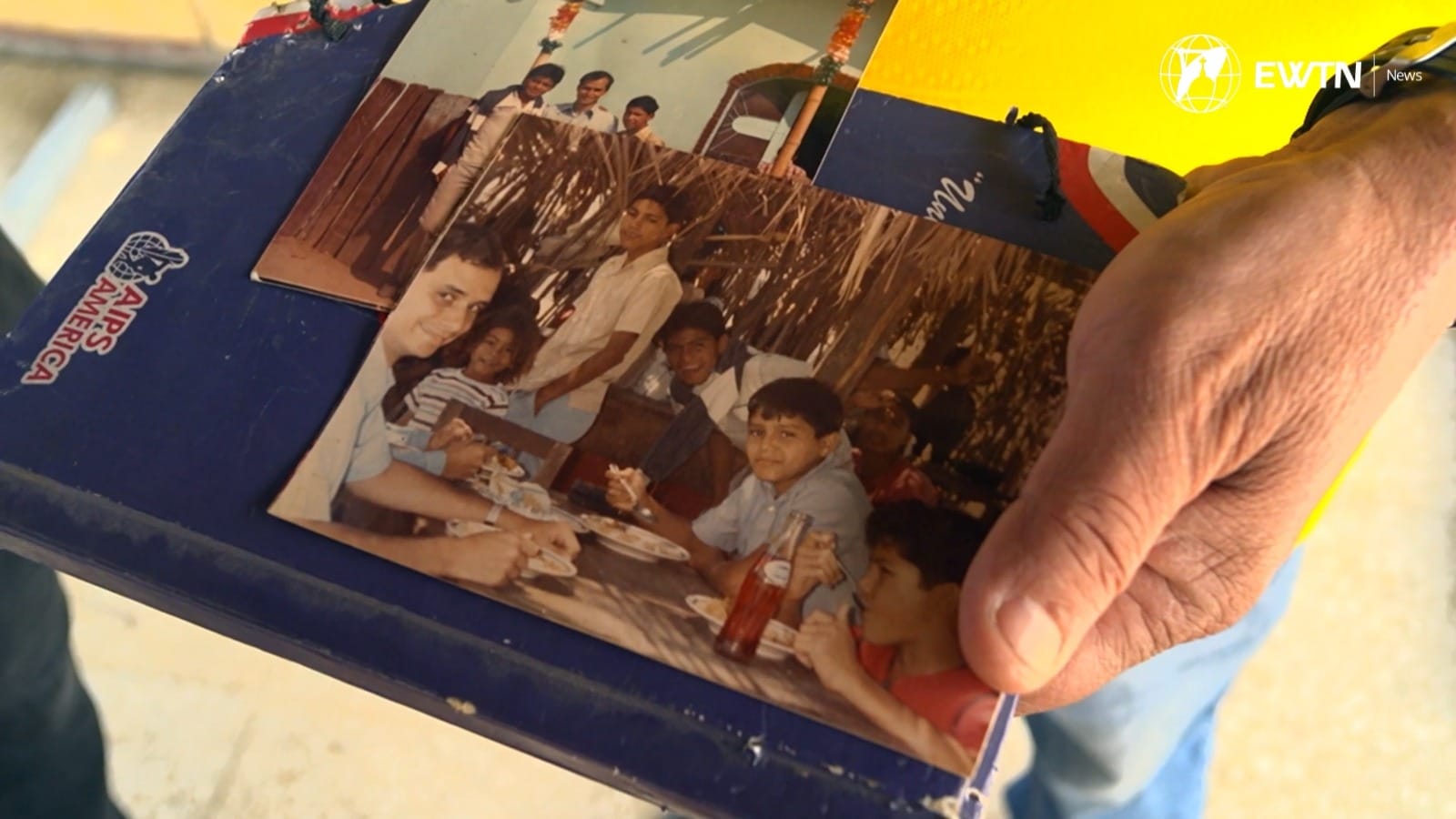
He took his altar servers to see Grupo Río not to be “cool,” but to keep them close, building relationships that opened the door to lasting faith.
Years later, some of those same boys would discern a call to the priesthood, a quiet testament to the impact of one missionary who understood that sometimes the most powerful way to lead is simply to walk alongside.