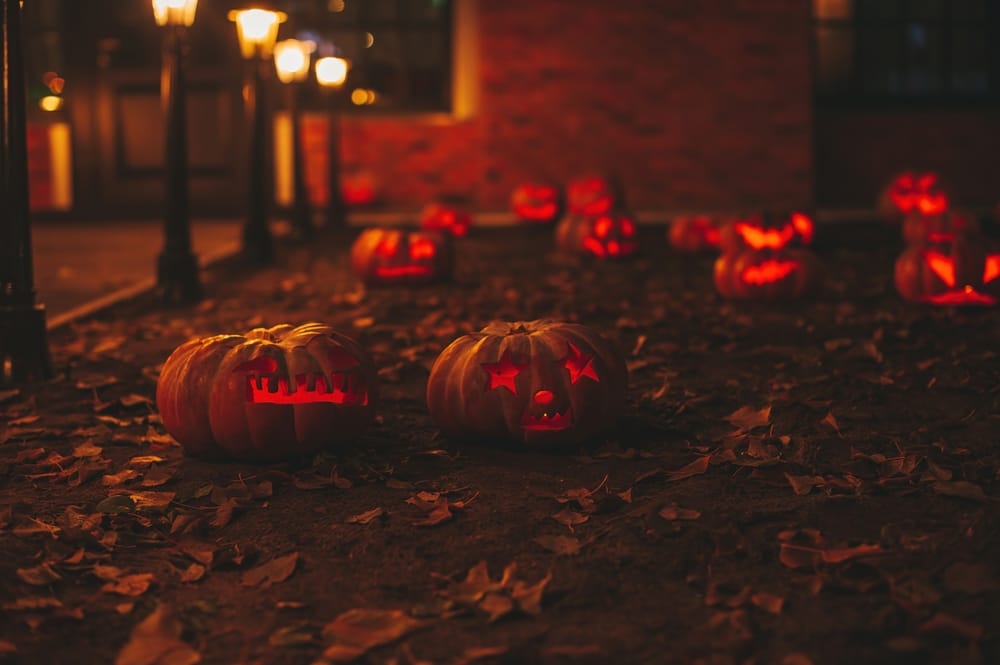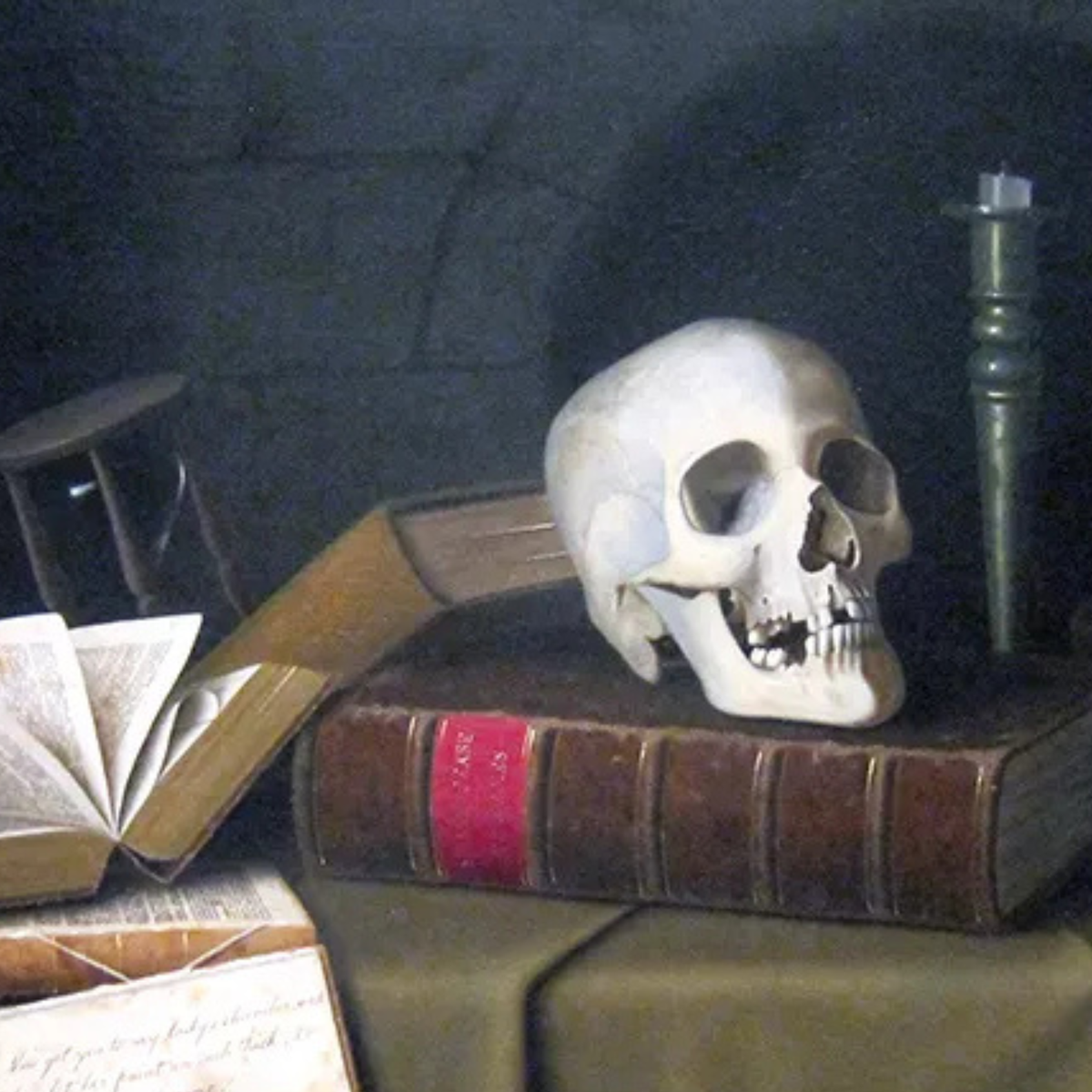
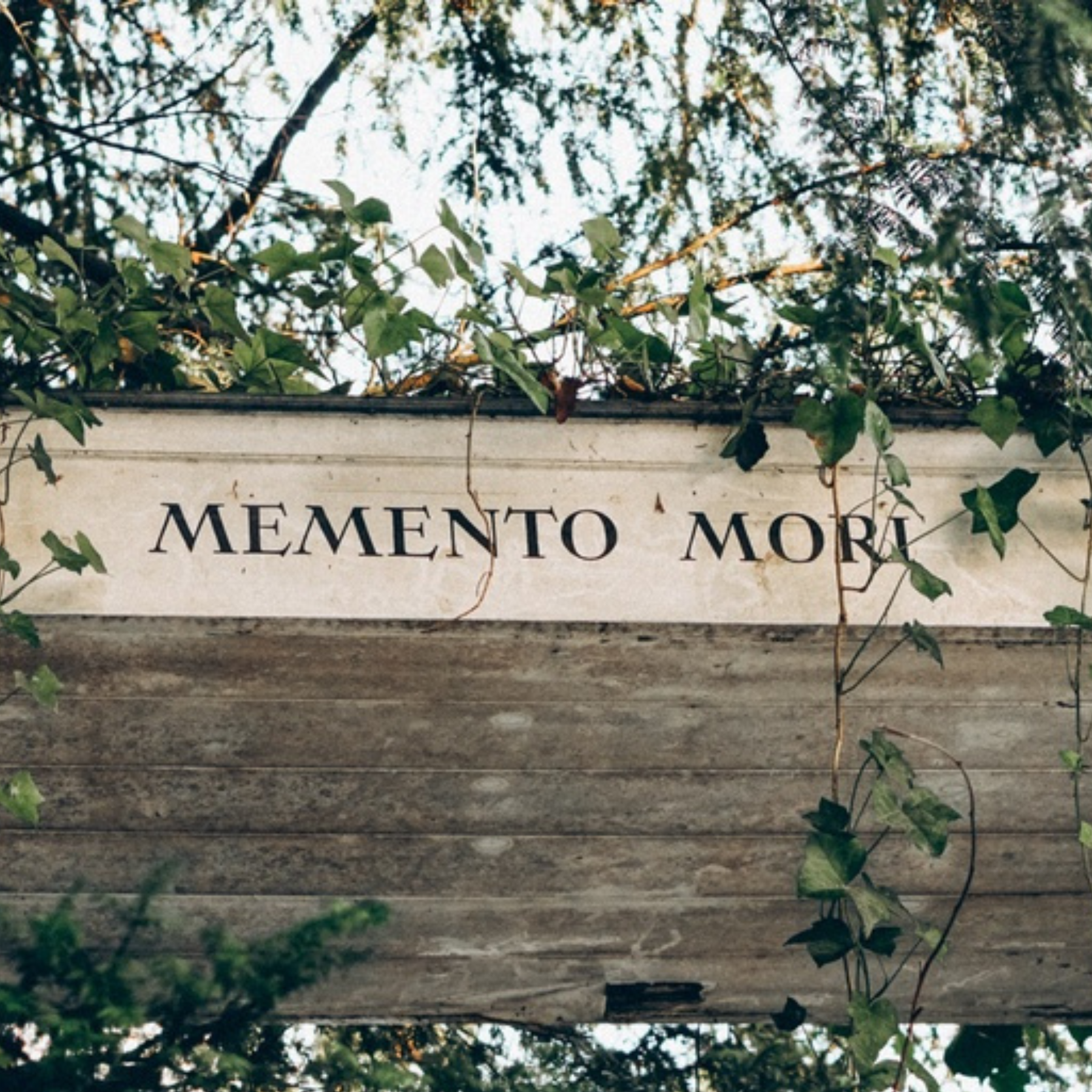
As autumn leaves fall and all of suburbia fills with plastic skeletons, tombstones, and cobwebs for Halloween, culture briefly leans into the macabre. But long before plastic skulls became spooky October decorations, the Catholic Church embraced a far deeper, life-affirming practice surrounding death: memento mori — the Latin phrase meaning:
"Remember you must die."
Far from being a gloomy or morbid fixation, memento mori is a powerful spiritual tool designed to help us live richer, more purposeful lives. Here are five essential things to know about this timeless tradition ahead of All Hallows’ Eve, All Saints’ Day, and All Souls’ Day.
1. It Isn't Morbid — It’s a Blueprint for Living Well
To modern ears, “remembering death” sounds dark. But in Christian tradition, meditating on our mortality is actually an antidote to anxiety and trivial distractions. Remembering that our time on earth is finite helps us focus on what truly lasts: love, virtue, and eternity.
As St. Jerome famously reflected from his cave in Bethlehem, keeping the end in sight puts everything into perspective:
“He readily despises all things who always considers that he must die.”
When you remember that you can’t take your bank account, job title, or earthly worries with you into eternity, the temptation to obsess over superficial things vanishes.
2. Saints Kept Real Skulls on Their Desks
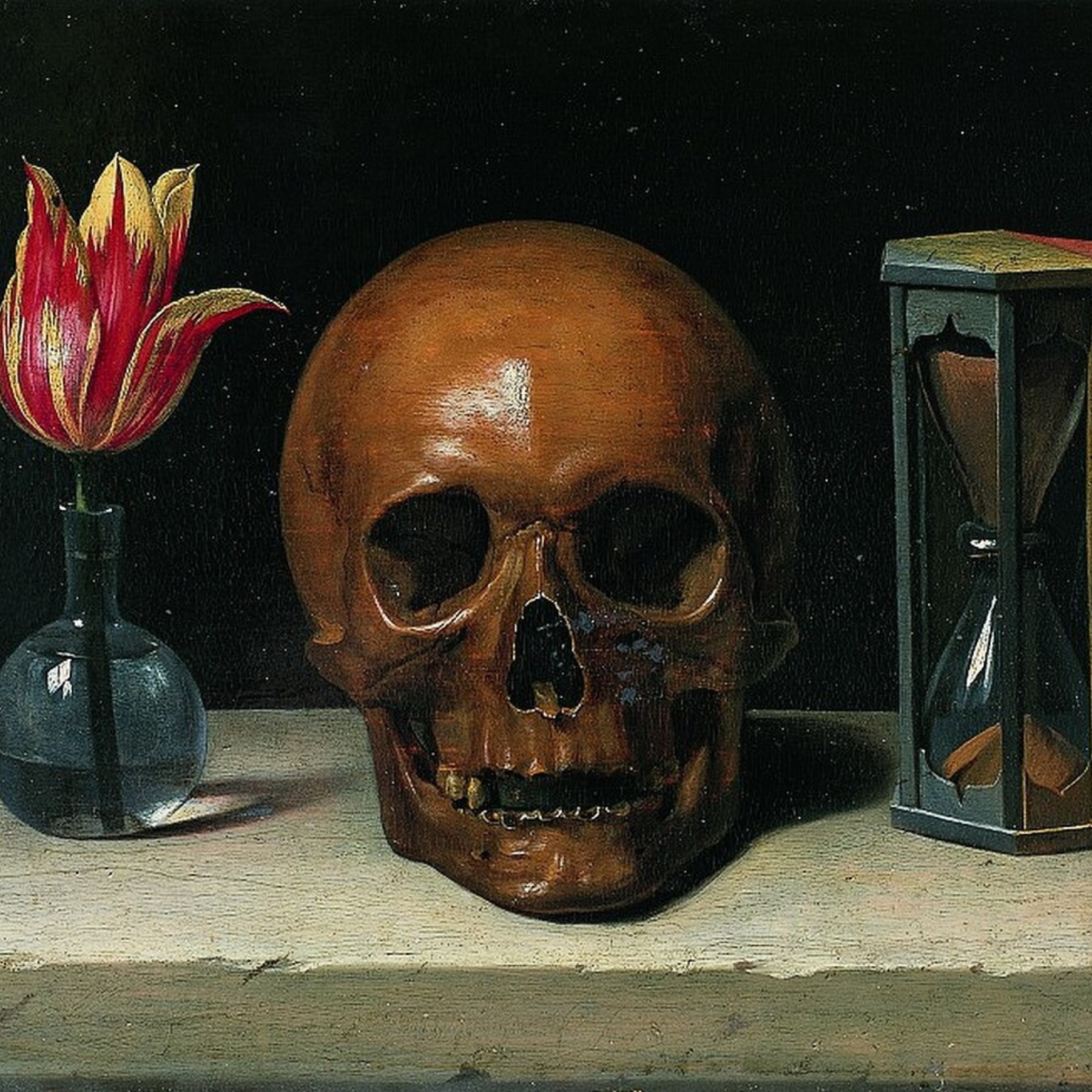
If you look at classic religious art, you will often spot saints like St. Francis of Assisi, St. Mary Magdalene, St. Charles Borromeo, and St. Jerome holding or gazing at a human skull. This wasn't theatrical — it was a daily practice.
Saints kept a physical skull (or a visual depiction of one) in their study or prayer space as a tactile reminder to avoid vanity, pride, and procrastination. St. Teresa of Ávila reminded her sisters that staying mindful of eternity cleanses the heart:
“Think often of death, for it gives a soul light to see the true value of all things.”
3. All Hallowtide Is the Ultimate Memento Mori Season
The timing of Halloween is no coincidence. It marks the beginning of All Hallowtide — the three-day liturgical season comprising All Hallows’ Eve (Oct. 31), All Saints’ Day (Nov. 1), and All Souls’ Day (Nov. 2).
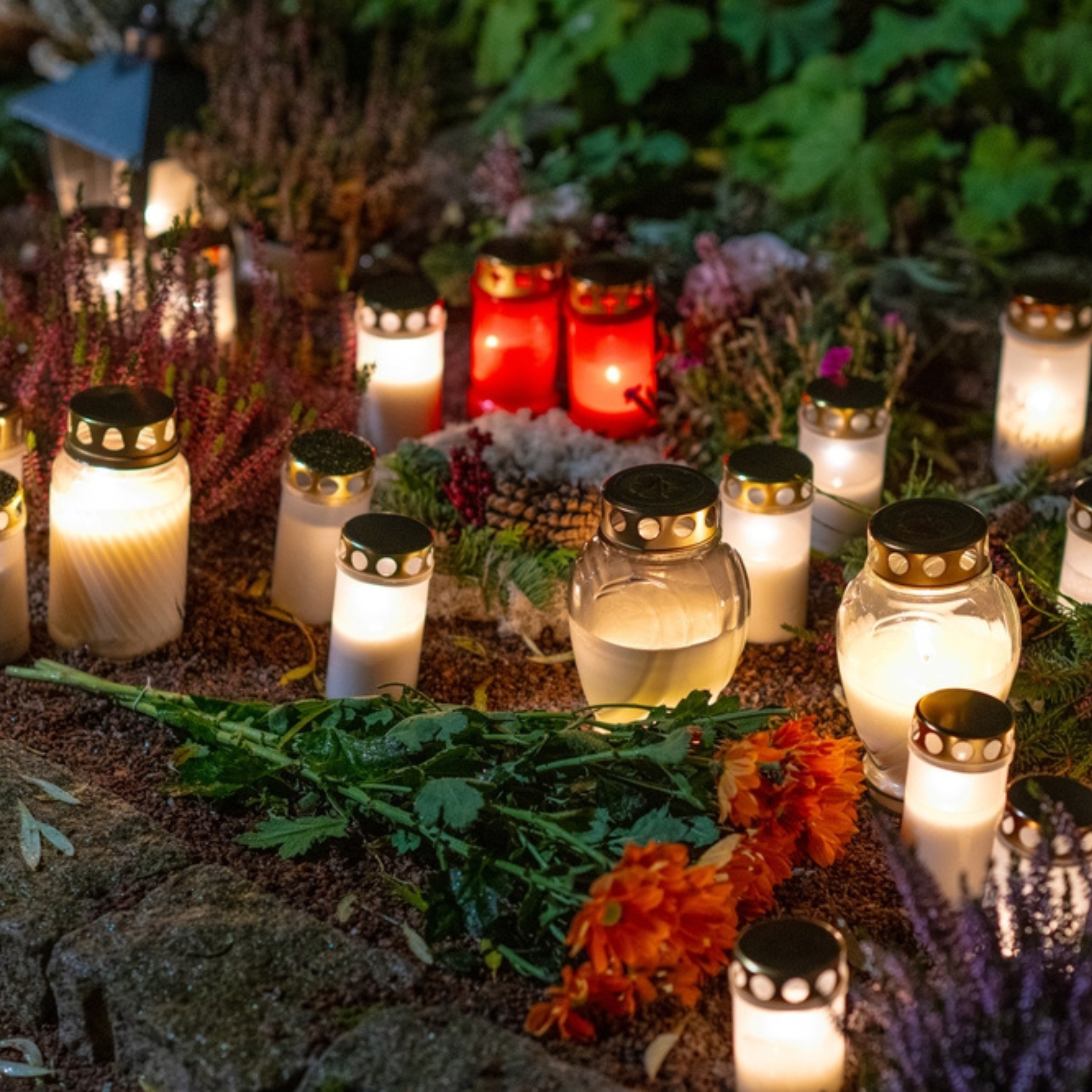
While popular culture treats ghosts and skeletons as spooky entertainment, the Church uses these days to proclaim Christ’s victory over the grave. By dressing up, visiting graveyards, lighting candles, and offering prayers for those who have passed, Christians face the reality of death without fear. St. John Chrysostom beautifully captured this triumph over the grave:
“Hell took a body, and discovered God. It took earth, and encountered Heaven. O Death, where is your sting?”
4. It Is a Daily Call to Conversion
Memento mori isn't about passive waiting; it’s about urgent, active love. In Scripture, Psalm 90 prays:
"Teach us to number our days, that we may gain a heart of wisdom."
The saints understood that because we do not know the day or the hour, today is the only moment we have to forgive, to love, and to serve.
St. Francis de Sales encouraged believers to use the thought of death as motivation for daily kindness:
“Consider that one day your body will lie cold and stiff in the grave... Live every day as if it were your last, and you will never sin, but rather fill your life with good works.”
When viewed through this lens, memento mori isn't about dying — it's about waking up.
5. Death Has Lost Its Final Sting
The ultimate secret of Christian memento mori is its ending. For those who walk with Christ, death is not a doorway into nothingness, but a passage into eternal life. The skull is not an emblem of defeat, but a reminder that earth is merely a temporary residence on the way to our true home.
As St. Thérèse of Lisieux wrote as she drew near the end of her earthly life:
“I am not dying; I am entering into life.”
This All Hallows’ Eve, when you see a skeleton or a jack-o'-lantern flickering on a porch, let it be a gentle, joyful nudge: live fully today, love without measure, and keep your eyes fixed on Heaven.