

The Holy Spirit is probably the most misunderstood of the three persons of the Holy Trinity. Don’t believe any of these myths, and help spread the truth!
Here are five common myths many people still believe about the Holy Spirit and what the Catholic Church actually teaches:
Myth 1: The Holy Spirit is a “force.”
Truth: The Holy Spirit is a divine Person, equal to the Father and the Son. Although He is called “Spirit” — a name that can sound less personal than “Father” or “Son” — He is every bit as much a real Person as the other two members of the Trinity.
Myth 2: The Holy Spirit didn’t exist in the Old Testament.
Truth: The Holy Spirit has always existed as the Third Person of the Trinity, from all eternity. Far from being absent in the Old Testament, He was actively at work whenever God spoke, created, or intervened in human history.
Myth 3: The Holy Spirit is of a lesser status than the Father and the Son.
Truth: Yes, we call the Holy Spirit the “Third Person” of the Trinity — but this refers only to the relations between the divine Persons, not to any difference in dignity or status. All three Persons of the Trinity are fully coequal, as solemnly confessed in the Athanasian Creed.
Myth 4: The Holy Spirit is just a part of God.
Truth: On the contrary, each Person of the Trinity — Father, Son, and Holy Spirit — is wholly and completely God. God is not divided into parts. Whatever God does, all three Persons accomplish together in perfect unity.
Myth 5: A true Christian with the Holy Spirit will “speak in tongues.”
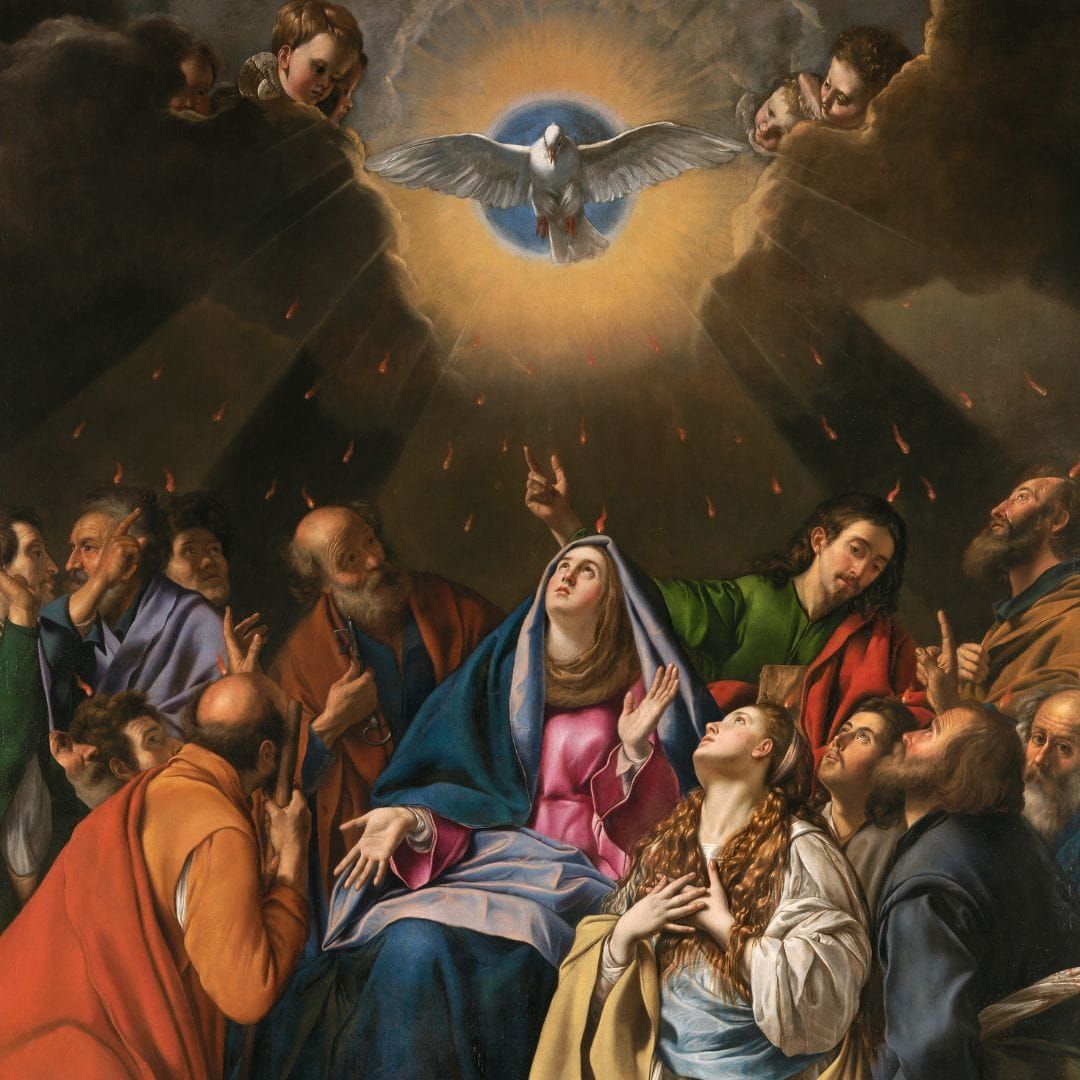
Truth: This claim is misleading. There is considerable debate over what “speaking in tongues” means. In the Catholic tradition, it most commonly refers to the ability to speak real, intelligible human languages (as the Apostles did on Pentecost), not the unintelligible speech commonly practiced in some charismatic circles today.
In any case, according to Church teaching, we receive the Holy Spirit and are made Christians at Baptism. We are then strengthened in the gifts of the Holy Spirit at Confirmation — regardless of whether or not we "speak in tongues."