

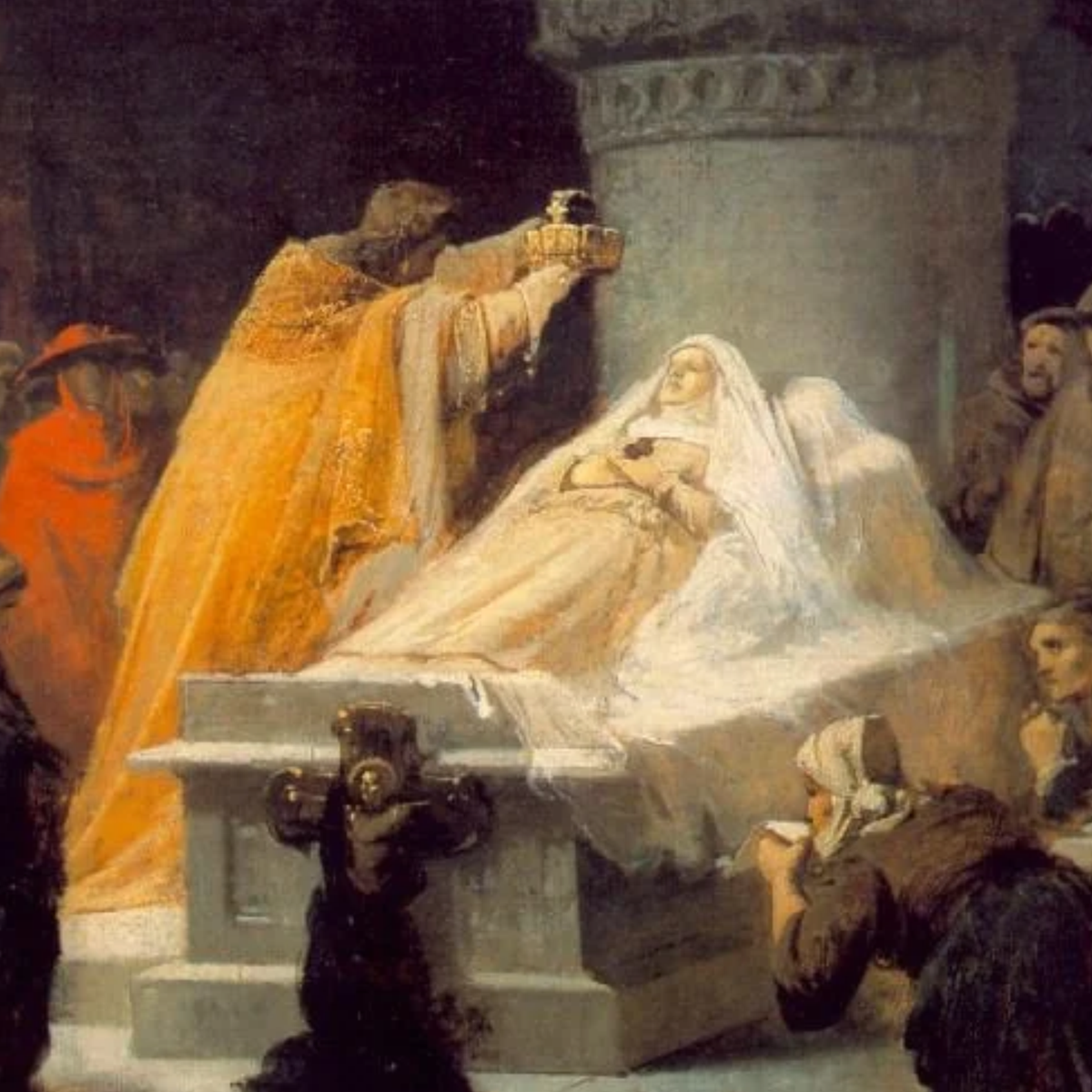
Every November 17, the Church celebrates St. Elizabeth of Hungary — a 13th-century royal who traded palace banquets for soup kitchens and became one of the most beloved saints in Europe. While she’s often depicted on holy cards cradling a bundle of roses, the real-life princess was anything but a delicate wallflower.
Before her feast day arrives on Tuesday, here are five fascinating, fun, and uniquely inspiring things to know about this medieval powerhouse:
- She Was Part of a Genuine Medieval ‘Power Couple’
Forget the trope of the long-suffering saint stuck in a miserable royal marriage — Elizabeth and her husband, Louis IV of Thuringia, were madly in love. Engaged at age 4 and married at 14, the two were inseparable, openly affectionate in an era when royal marriages were strictly political transactions, and completely aligned in their faith. Louis didn't just tolerate Elizabeth’s radical generosity; he actively defended her when his own court complained she was giving away too much of the royal treasury. When Louis died of the plague while on Crusade in 1227, the 20-year-old princess was so devastated she reportedly cried out:
"The world is dead to me, and all that was joyous in the world!"
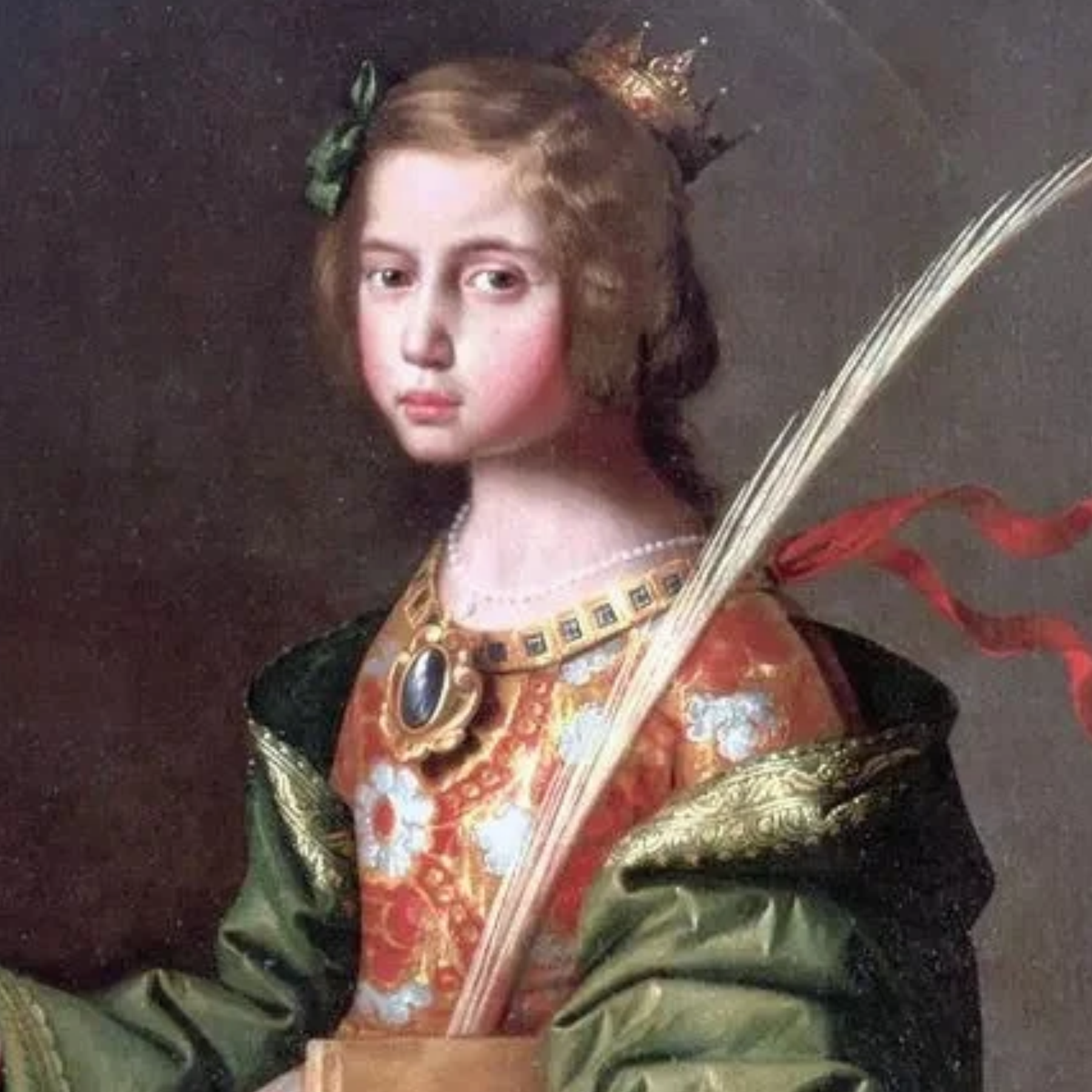
- Her Most Famous Miracle Started Because She Got Caught ‘Smuggling’ Bread
Elizabeth’s signature artistic symbol — an apron overflowing with roses — comes from a moment of breaking all the royal rules. According to tradition, Elizabeth was sneaking down from Wartburg Castle on a freezing winter day with loaves of bread hidden under her cloak to feed the starving poor. When her suspicious brother-in-law (or, in some versions, her husband) stopped her and demanded to see what she was hiding, she opened her cloak — only for the bread to have miraculously transformed into blooming red and white roses in the dead of winter.
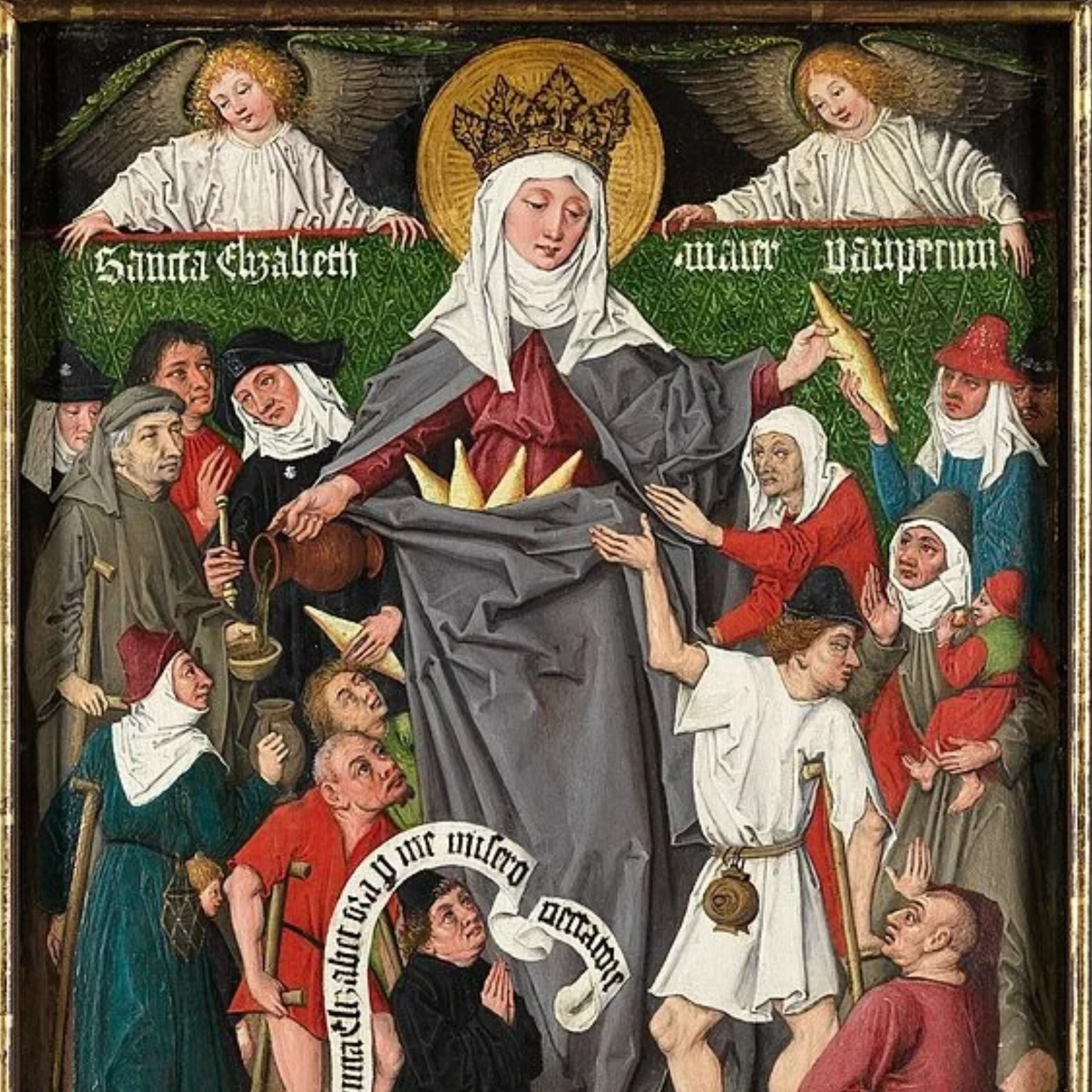
- She Literally Built a Hospital at the Foot of Her Castle — and Worked the Shifts Herself
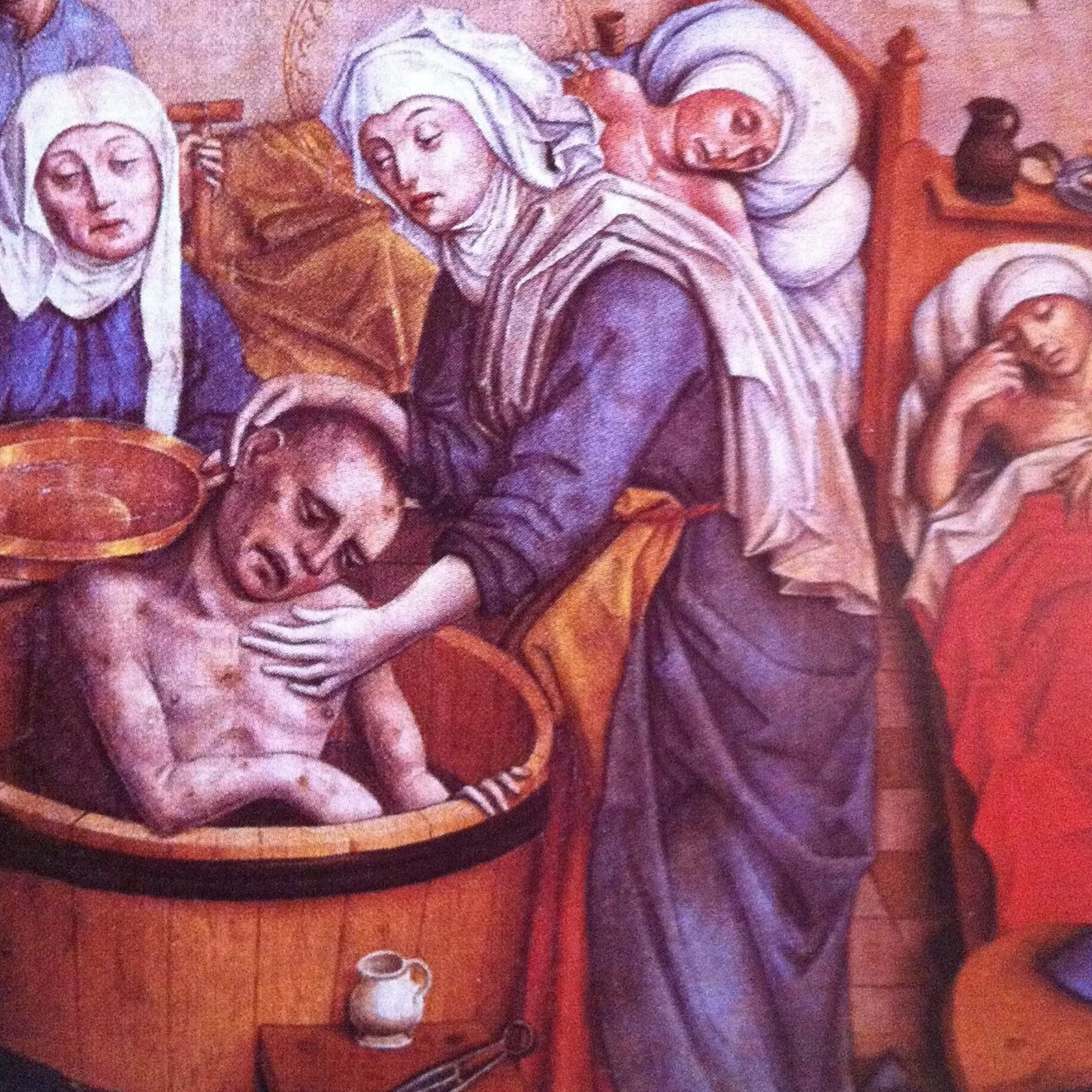
Elizabeth didn't believe in charity from a distance. During a devastating famine and flood in 1226, while Louis was away at the Imperial Diet (which is a fancy word for Parliament back in the day), she opened the royal granaries, sold off her own jewels and royal robes, and established a 28-bed hospital right below the castle gates. She didn't just fund it; she personally bathed, bandaged, and fed patients suffering from leprosy and other contagious diseases. On one particularly bold occasion, she even laid a leper in her own royal bed — a move that scandalized her mother-in-law, though Louis famously backed his wife, remarking that in serving the sick, she was serving Christ Himself.
- She Was the Very First Third Order Franciscan in Northern Europe
After Louis’s death, Elizabeth’s in-laws effectively pushed her and her three young children out of the castle, claiming she was squandering the family estate. Rather than fighting for her royal title, Elizabeth embraced total poverty. Drawn to the radical spirituality of St. Francis of Assisi — who had died just a year earlier — she became the first member of the Secular Franciscan Order (Third Order) in Germany. She wore a rough gray tunic, spun wool to earn a modest living, and poured every remaining coin into caring for the sick and orphaned until her death at just 24 years old.
- She Was Canonized Faster Than Almost Anyone in Church History
Elizabeth’s reputation for holiness was so electric that miracles began occurring at her tomb almost immediately after her death on November 17, 1231. Pope Gregory IX — who had personally corresponded with her during her lifetime — launched an investigation right away. Just four years later, on Pentecost Sunday in 1235, he officially declared her a saint. Even more remarkably, the church built in her honor in Marburg, Germany, became one of the earliest pure Gothic churches in the country—and a major pilgrimage site that drew tens of thousands of faithful within years of her passing.
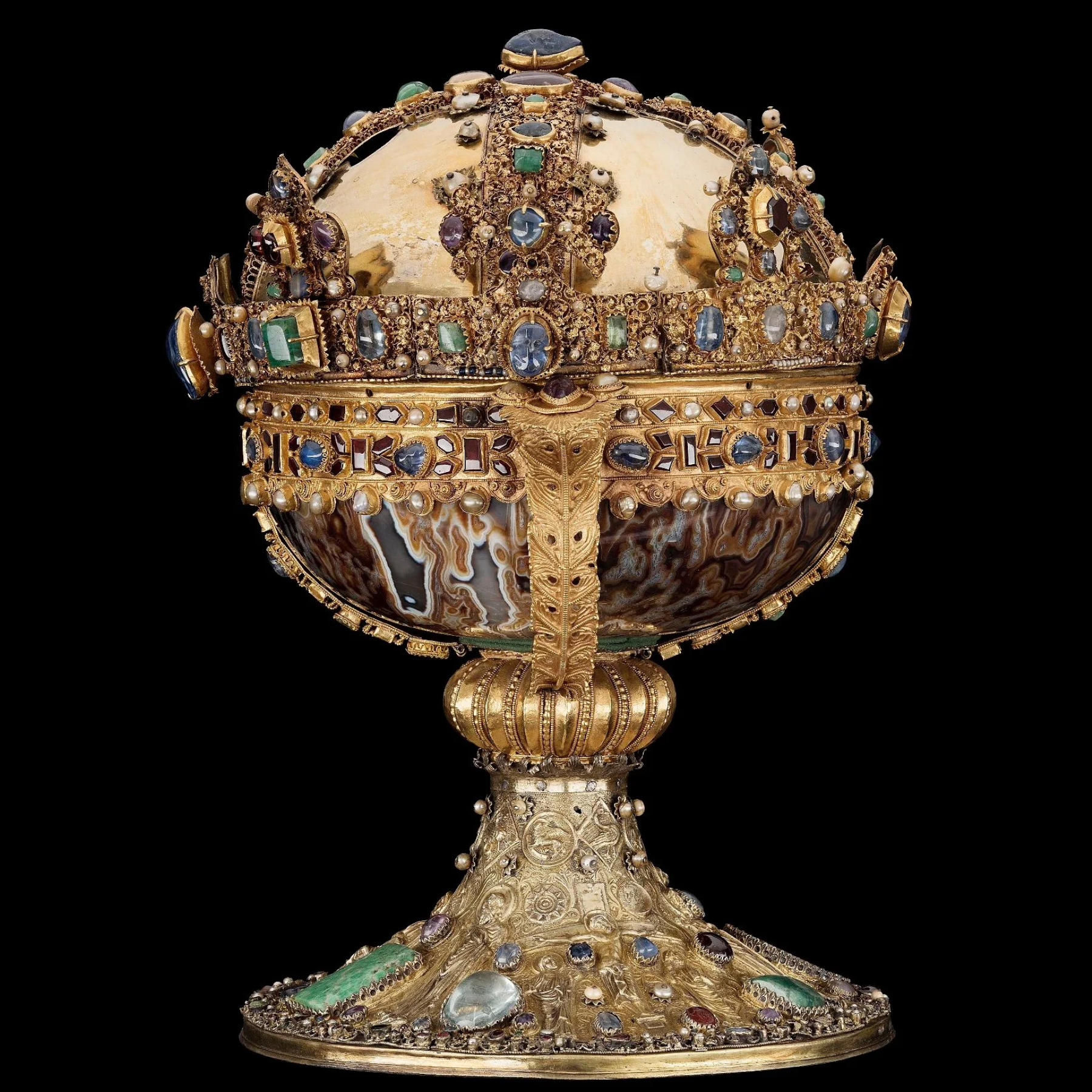
Whether you’re looking for a patron saint of bakers, nursing homes, widows, or simply a reminder that real charity gets its hands dirty, St. Elizabeth of Hungary proves that a royal title is nothing compared to a generous heart.
As Pope Benedict XVI said of St. Elizabeth:
"Elizabeth saw the contradictions between the faith professed and Christian practice. She could not bear compromise. Once, on entering a church on the Feast of the Assumption, she took off her crown, laid it before the Crucifix and, covering her face, lay prostrate on the ground. When her mother-in-law reprimanded her for this gesture, Elizabeth answered: 'How can I, a wretched creature, continue to wear a crown of earthly dignity, when I see my King Jesus Christ crowned with thorns?'"