


Tomorrow, millions of people will wake up with a subtle sense of dread.
They will dodge sidewalk cracks, steer clear of black cats, avoid walking under ladders, and perhaps even put off boarding a flight or making any serious decisions…
Blame it on the calendar: Friday the 13th has arrived!
From classic slasher movies (and that freaky guy in a hockey mask!) — to tall buildings that nervously skip straight from the 12th to the 14th floor — fear of this particular date — officially known as paraskevidekatriaphobia — has a surprisingly tight grip on modern culture.

Yet when you pull back the cobwebs on where this superstition actually comes from, a fascinating twist emerges:
The very roots that made the world fear Friday the 13th are the exact things that give Catholics every reason to embrace it.
Two Ancient Fears Collide
Historians note that Friday the 13th didn’t start as a single cursed date. Instead, it is the collision of two separate, centuries-old suspicions — one about a number, and one about a day of the week.
First came the distrust of the number 13. In the ancient world, 12 was the gold standard of completeness: 12 months in a year, 12 hours on a clock, 12 tribes of Israel, and 12 apostles. Sitting right next to that tidy perfection, 13 felt…well odd… chaotic, and unsettling.
Folklore quickly gave that unease a story. According to Norse mythology, 12 gods were enjoying a feast in Valhalla when Loki, the god of mischief, crashed the party as the uninvited 13th guest — sparking a chain of events that killed Balder, the god of joy, and plunged the world into darkness. Christian folklore echoed a similar numerical anxiety, pointing out that 13 people sat at the Last Supper, and Judas Iscariot was the 13th guest to arrive.
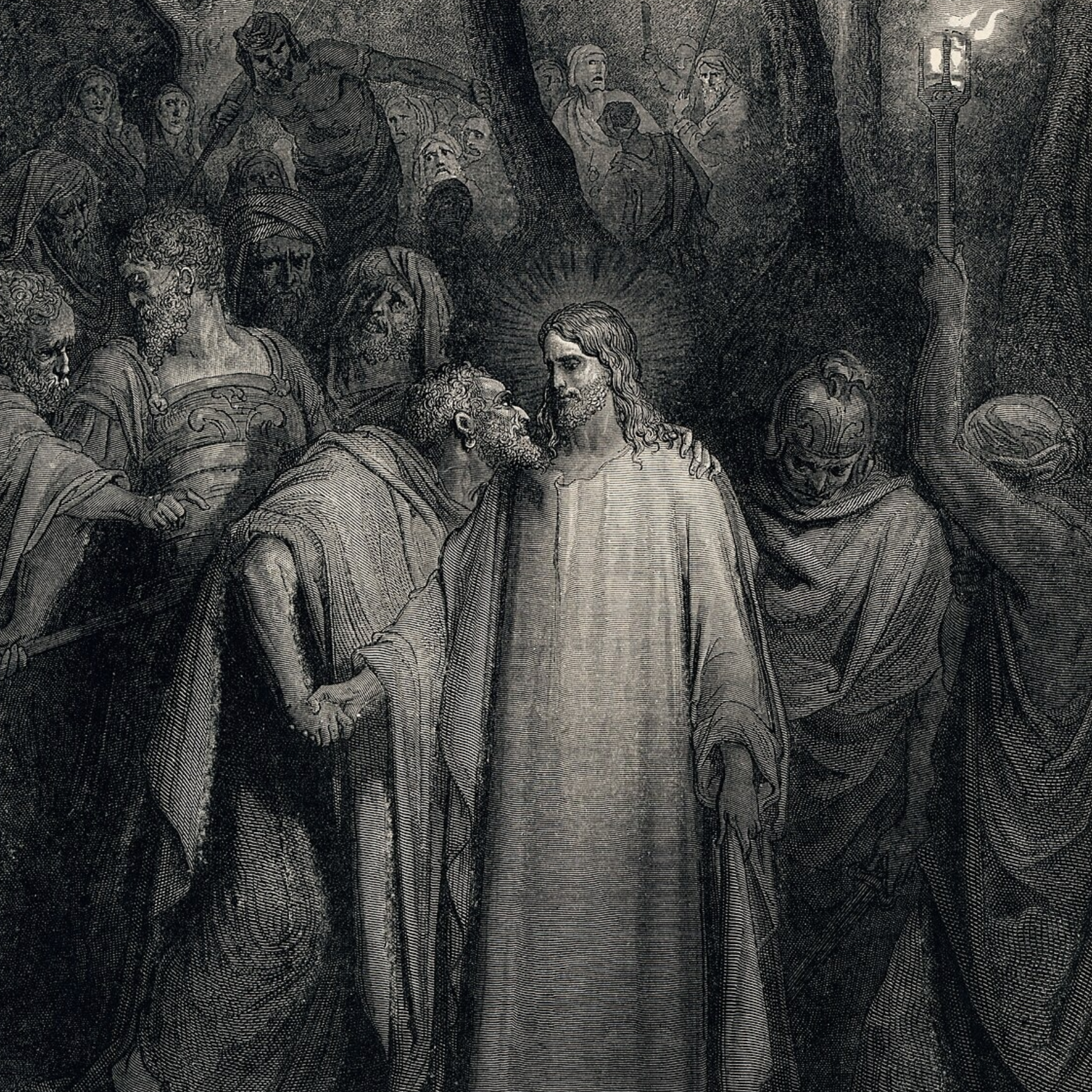
Then came the gloomy reputation of Friday. In medieval Europe, Friday was dubbed ‘Hangman’s Day’ because it was the standard day for public executions.
Even deeper in the cultural memory was the Solemnity of Good Friday — the day Jesus Christ was crucified.
Over time, popular superstition blended the eerie vibe of the number 13 with the somber weight of Friday, a pairing cemented in the public imagination by a 1907 Wall Street novel, Friday, the Thirteenth, and, decades later, Hollywood horror.
What the Church Actually Teaches
While ghost stories and pop culture thrive on the idea that a date on the calendar holds hidden power over our fate, the Catholic Church takes a clear, grounded stance: superstition has no place in the life of the faithful.
The Catechism of the Catholic Church (CCC 2111) directly addresses superstition stating:
“Superstition is the deviation of religious feeling and of the practices this feeling imposes. It can even affect the worship we offer the true God, e.g., when one attributes an importance in some way magical to certain practices otherwise lawful or necessary. To attribute the efficacy of prayers or of sacramental signs to their mere external performance, apart from the interior dispositions that they demand, is to fall into superstition.”
Simply put, the calendar does not control your destiny — God does.
Even better, when viewed through the lens of faith, the two "unlucky" ingredients of Friday the 13th are completely transformed:
Friday is not a day of doom — it is the day of our salvation. Catholics don’t dread Fridays; they honor them. Every Friday throughout the year is observed as a "mini-Good Friday," a weekly reminder of Christ’s victory over sin and death on the Cross. What the world viewed as the darkest day in human history became the ultimate triumph of love.
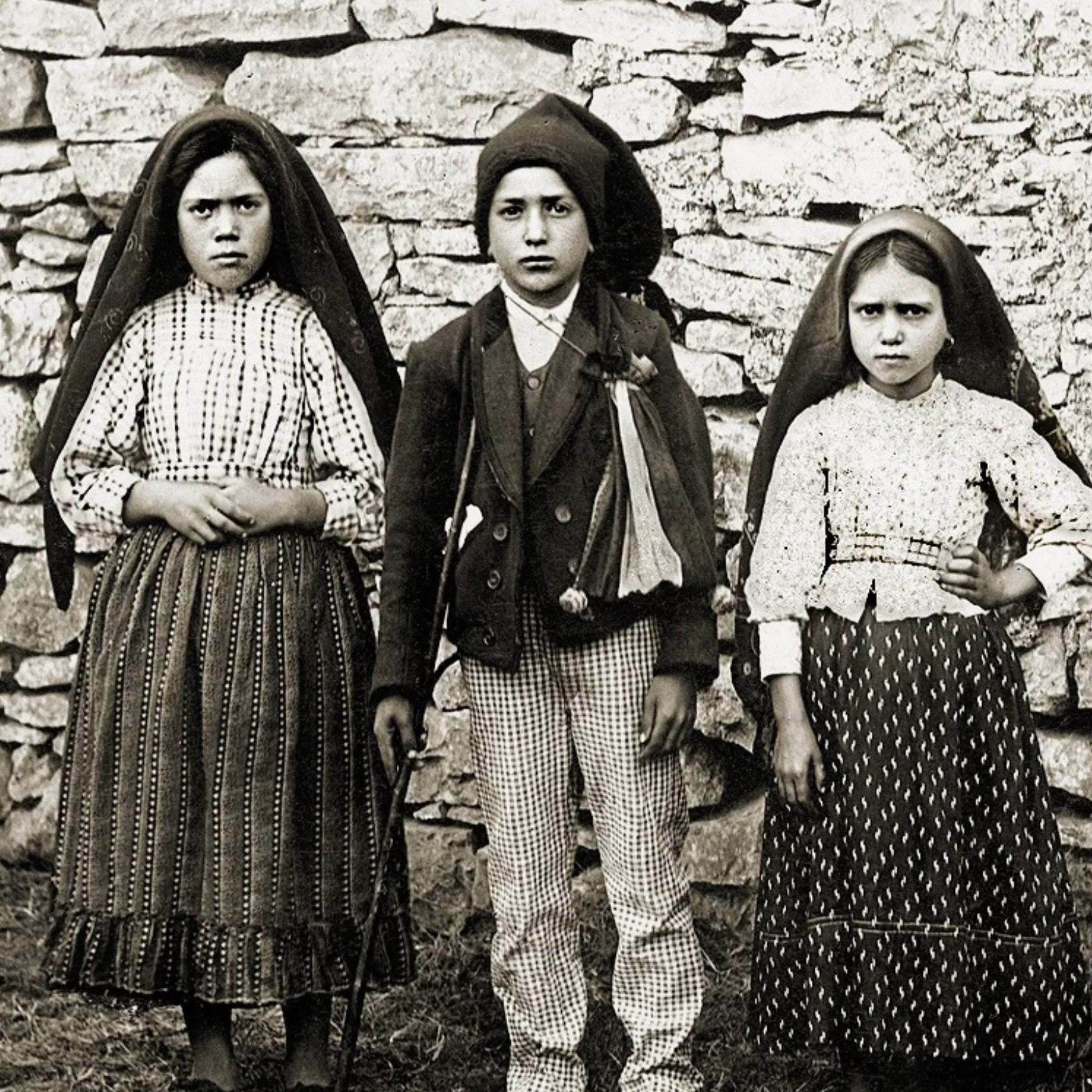
The number 13 is deeply Marian. Far from being a symbol of misfortune, the number 13 holds a beloved place in Catholic devotion. Our Lady of Fatima appeared to the three shepherd children on the 13th day of six consecutive months in 1917, bringing a message of peace, prayer, and hope to a war-torn world.
No Need to Knock on Wood
There is nothing wrong with enjoying a harmless spooky story or chuckling at the quirks of human folklore when Friday the 13th rolls around.
But as Catholics, we never have to walk on eggshells around a square on the calendar. Black cats are just cats, ladders are just tools, and Friday the 13th isn’t a trap waiting to spring — it’s just another day to be redeemed by grace.