



2026 is a significant year of celebration for the United States of America, as it marks 250 years since the signing of the Declaration of Independence.
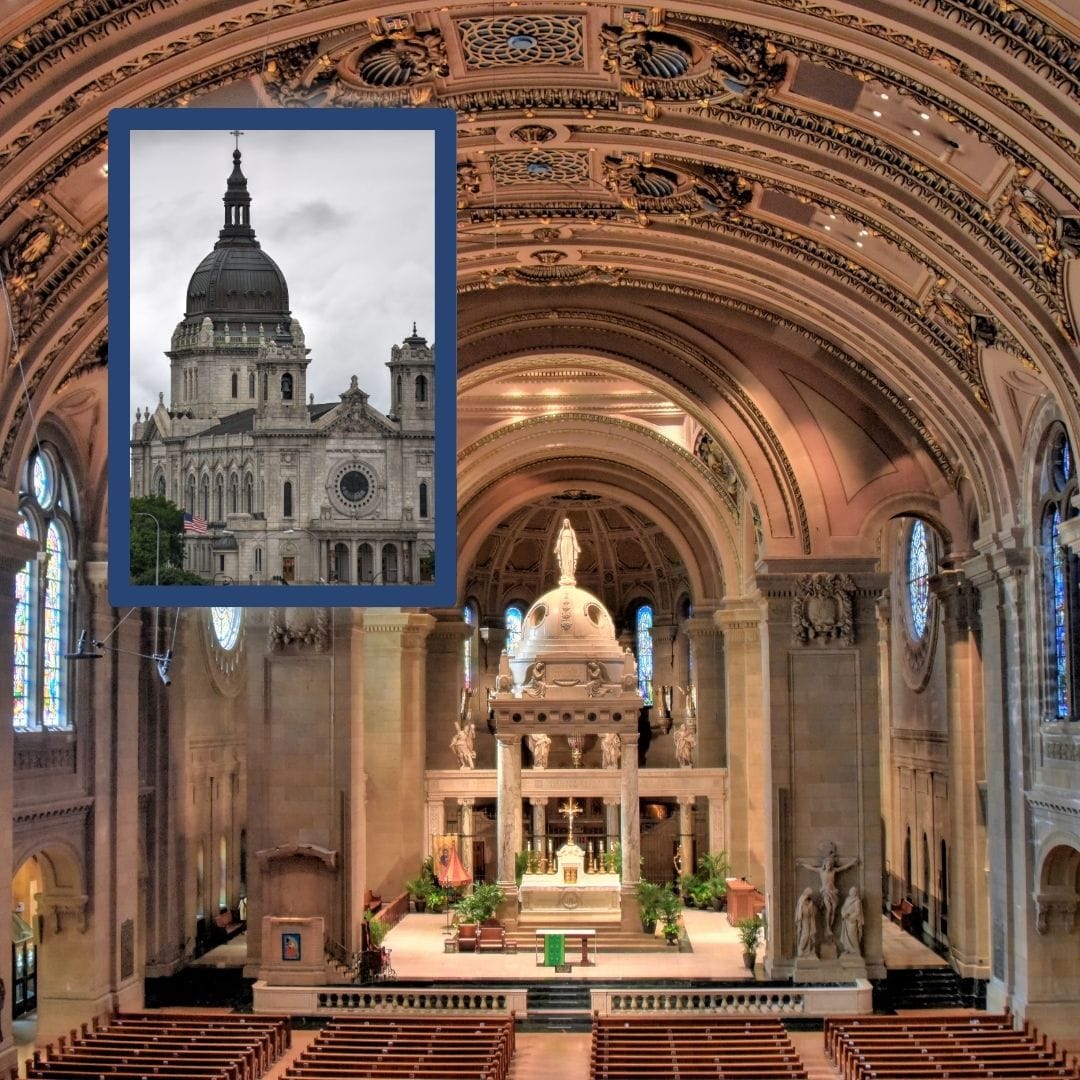
The Catholic Church in the United States is also observing an important anniversary: the 100th anniversary of the elevation of America’s first minor basilica—the Basilica of St. Mary in Minneapolis, Minnesota.
America’s First Minor Basilica Turns 100
On February 1, 1926, Pope Pius XI elevated St. Mary’s to the rank of minor basilica, calling special attention to its role in the life of the Church and recognizing it as a place of historic, spiritual, and liturgical importance in the United States.
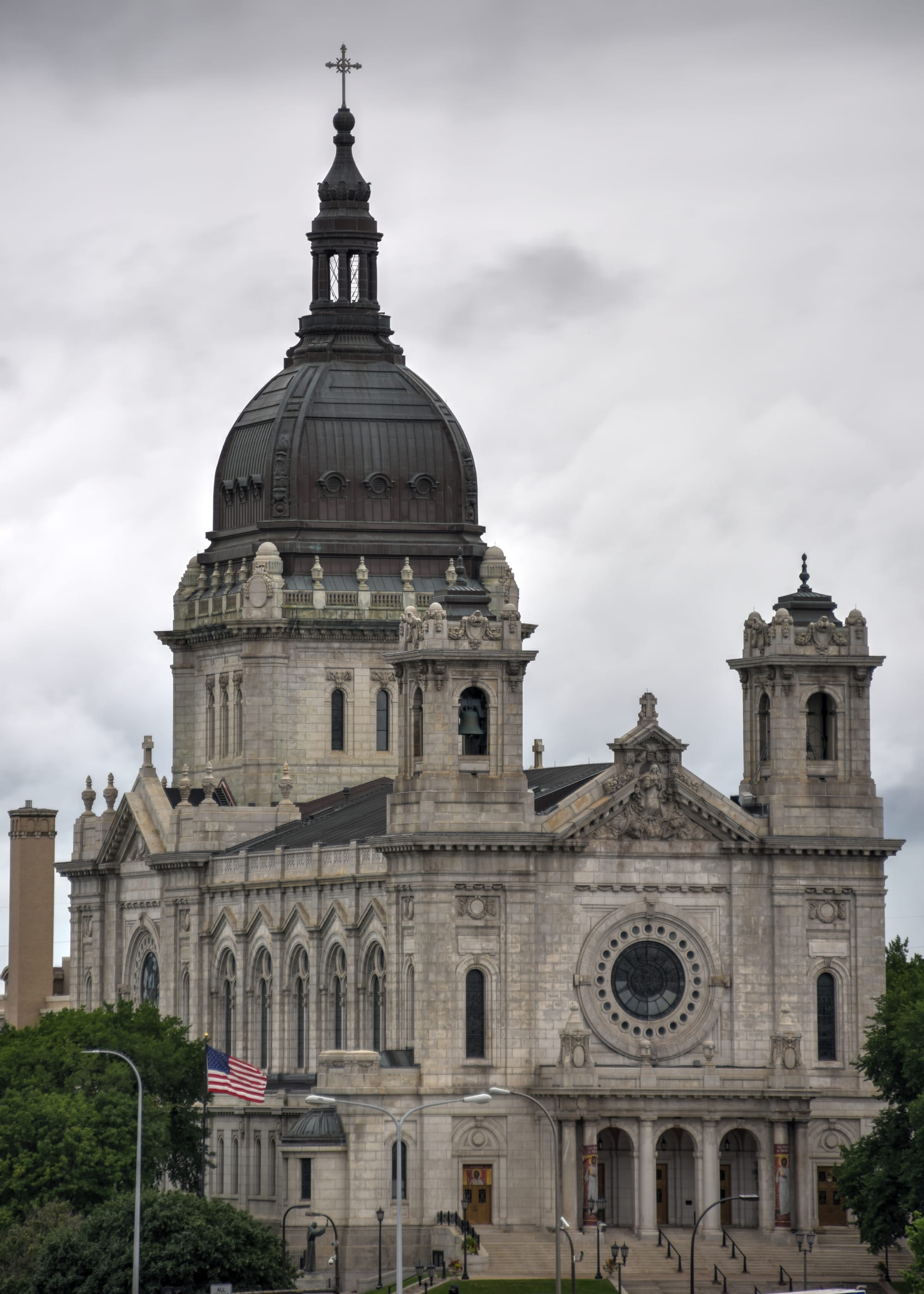
The history of the Basilica of St. Mary begins in the mid-1800s, with Minneapolis’s first Catholic church west of the Mississippi River—a “shed church” that was later replaced by a limestone structure to serve the city’s growing immigrant population.
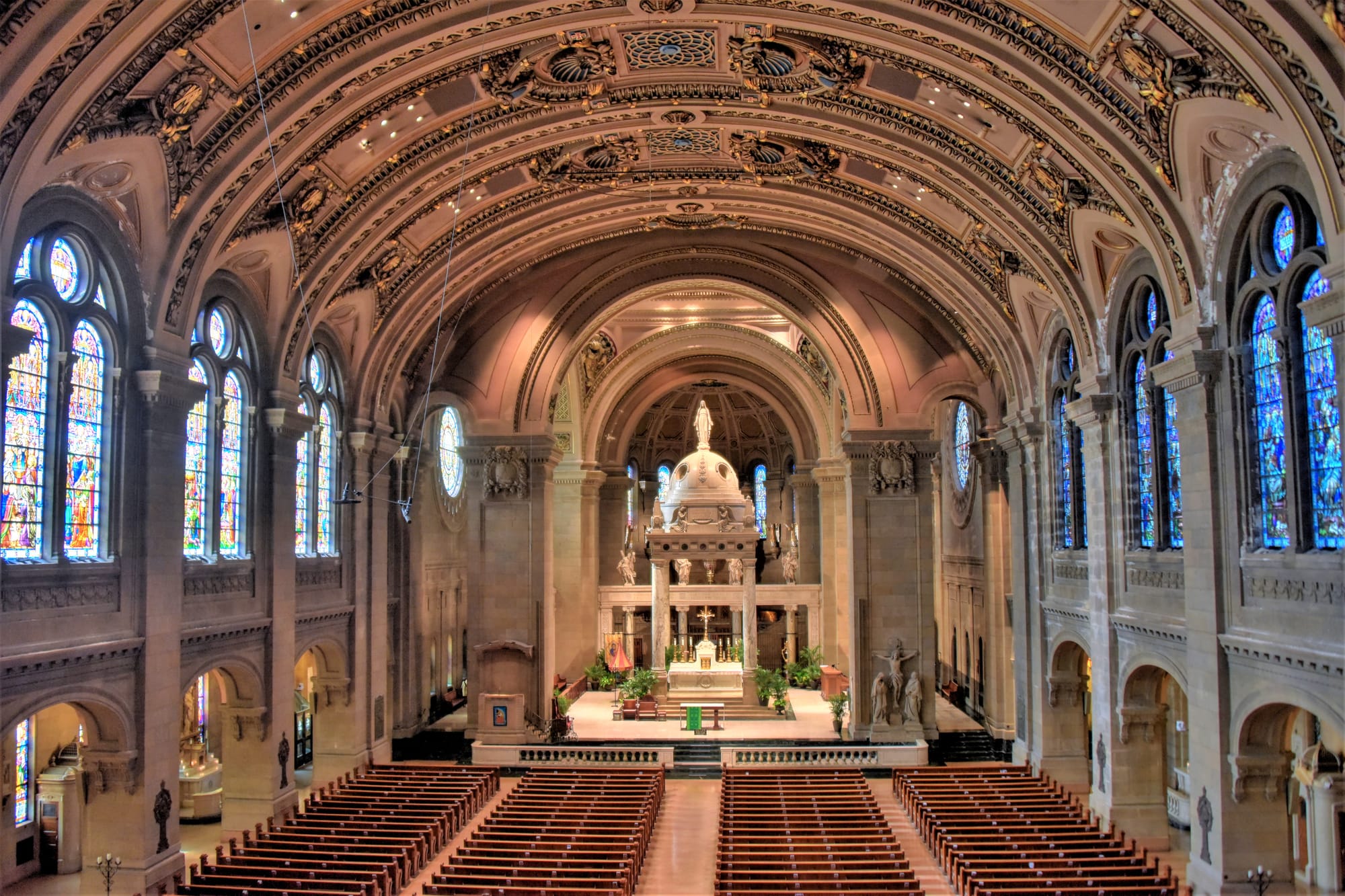
At the turn of the 20th century, businessman Lawrence S. Donaldson donated land for a new church to serve as the Pro-Cathedral. Construction began in 1907, and the first Mass was celebrated on May 31, 1914. Over the 20th century, the church’s interior was filled with works of art, establishing it as a landmark and pilgrimage site in Minneapolis.
What Is a Minor Basilica in the Catholic Church?
The word basilica means “royal house.” In the Roman Empire, basilicas were large public buildings used for civic gatherings, legal proceedings, and important social functions.
When Christianity was legalized under Emperor Constantine in the fourth century, the Church began adapting these existing structures for worship, as they provided the scale needed to gather the faithful. Over time, newly constructed churches were also built following the basilica form, establishing it as a standard for significant Christian worship spaces.
The Catholic Church later formalized the title by designating four “major basilicas,” all located in Rome: St. Peter’s Basilica, St. John Lateran, St. Mary Major, and St. Paul Outside the Walls.
As the Church continued to grow across the world, the Holy See created the designation of minor basilicas—churches recommended by local bishops and recognized by the Pope as places of particular historical importance, architectural beauty, devotional life, and liturgical excellence.
These minor basilicas are given a special relationship with the Holy Father. These churches are marked by two papal symbols that signify this relationship: the ombrellino, a red-and-yellow silk canopy, and the tintinnabulum, a bell typically mounted on a pole.
Special Graces and Plenary Indulgences Available in 2026
In addition to their symbolic significance, minor basilicas are granted certain spiritual privileges, including special opportunities throughout the year for the faithful to receive plenary indulgences—the remission of temporal punishment due to sin—as outlined by the U.S. Conference of Catholic Bishops in its Norms for the Granting of the Title of Minor Basilica.
Throughout 2026, the Basilica of St. Mary will host celebrations highlighting its history, mission, and liturgical life.
On February 1, 2026—the centennial anniversary of its elevation—Archbishop Bernard Hebda will celebrate Mass. Faithful who make a visit to the basilica and follow the usual conditions can obtain a plenary indulgence.
From pro-cathedral to minor basilica and now co-cathedral of the Archdiocese of Saint Paul and Minneapolis, this sacred site deserves a prominent place on the pilgrimage list of American Catholics.
May this centennial year invite the faithful not only to appreciate the beauty and history of this Marian basilica, but also to encounter God’s mercy and to pray for our new American Pope, in continuity with the apostolic succession and the vision of Pope Pius XI, who first bestowed this historic honor on the Church in the United States.