Do you know what a “Rule of Life” is? Monks and many religious orders follow a “Rule” that guides its members in their spirituality. It shows them how to pray and live poverty, chastity, and obedience with work. Some religious are cloistered in their monastery, and others live more active lives working in the community, so different Rules are needed.
The oldest Western Rule is the Rule of St. Augustine, which is the Rule Pope Leo XIV lives by, as an Augustinian. Other orders, such as the Dominicans, also live by this rule, which was written around 396 A.D.
Most Catholics have heard of the Rule of St. Benedict, which was written around 530 for monks, with a focus on “peace”, and “pray and work.” It is used by Benedictine orders of men and women, and many other orders such as the Trappists and Cistercians, with secular (lay) “Oblates” using a form of the Rule.
“A ‘Rule of Life’ is a collection of goals which members promise to try to reach in their lives. The purpose of having a Rule of Life is not to make God love us, because He already loves us, but to help us to train ourselves so that we are better able to live the kind of life He wants us to,” as stated on the Third Order Society of St. Francis (Province of Africa) web site.
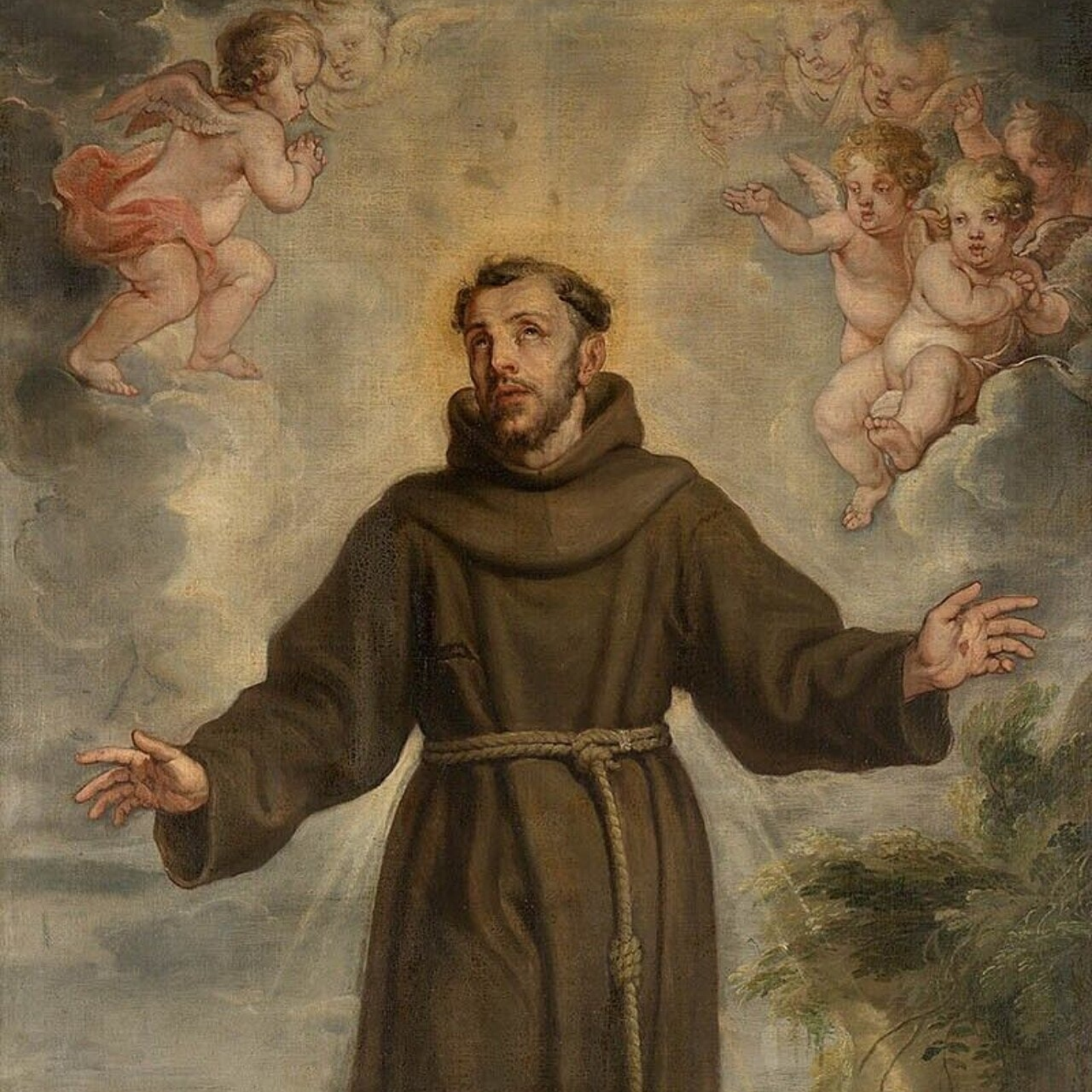
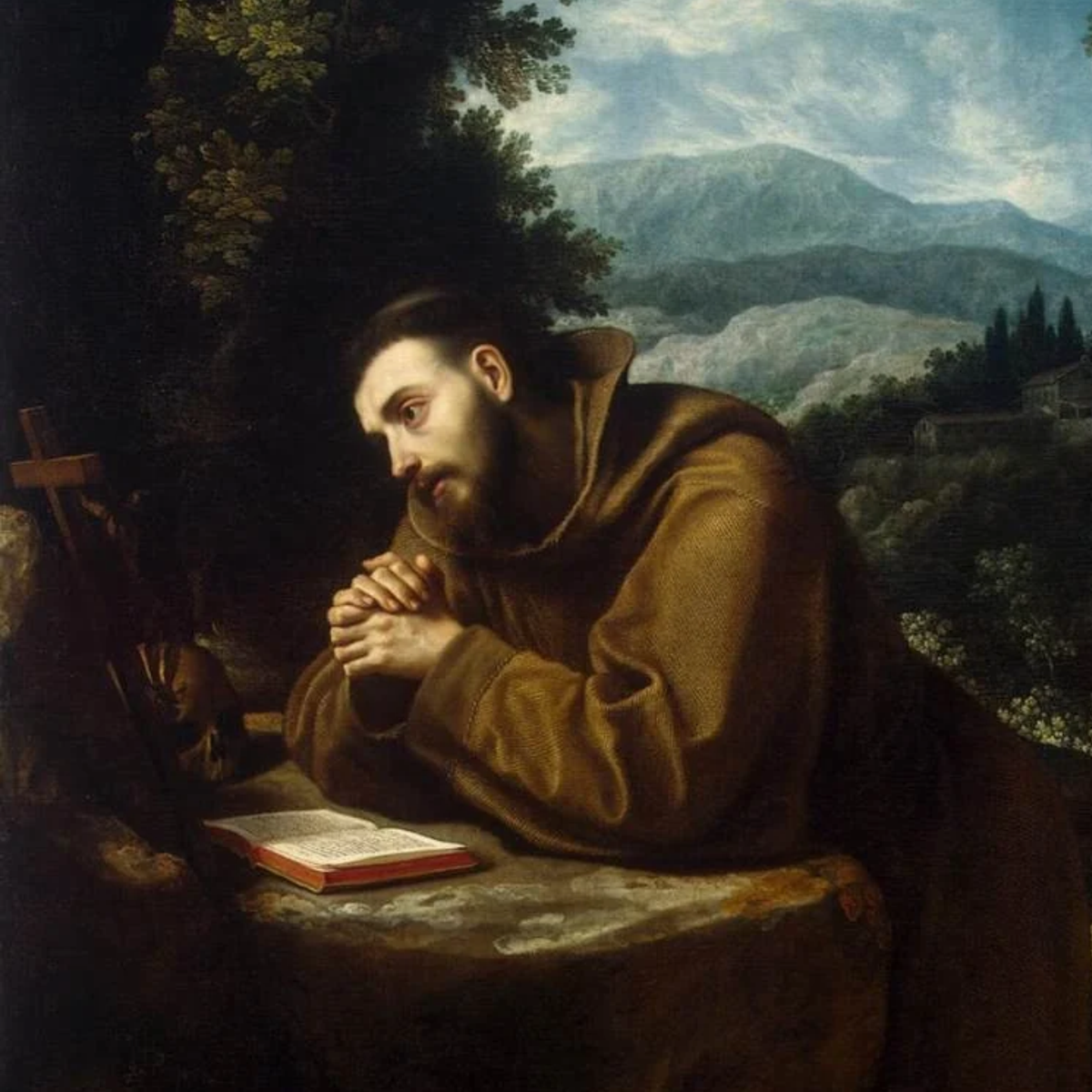
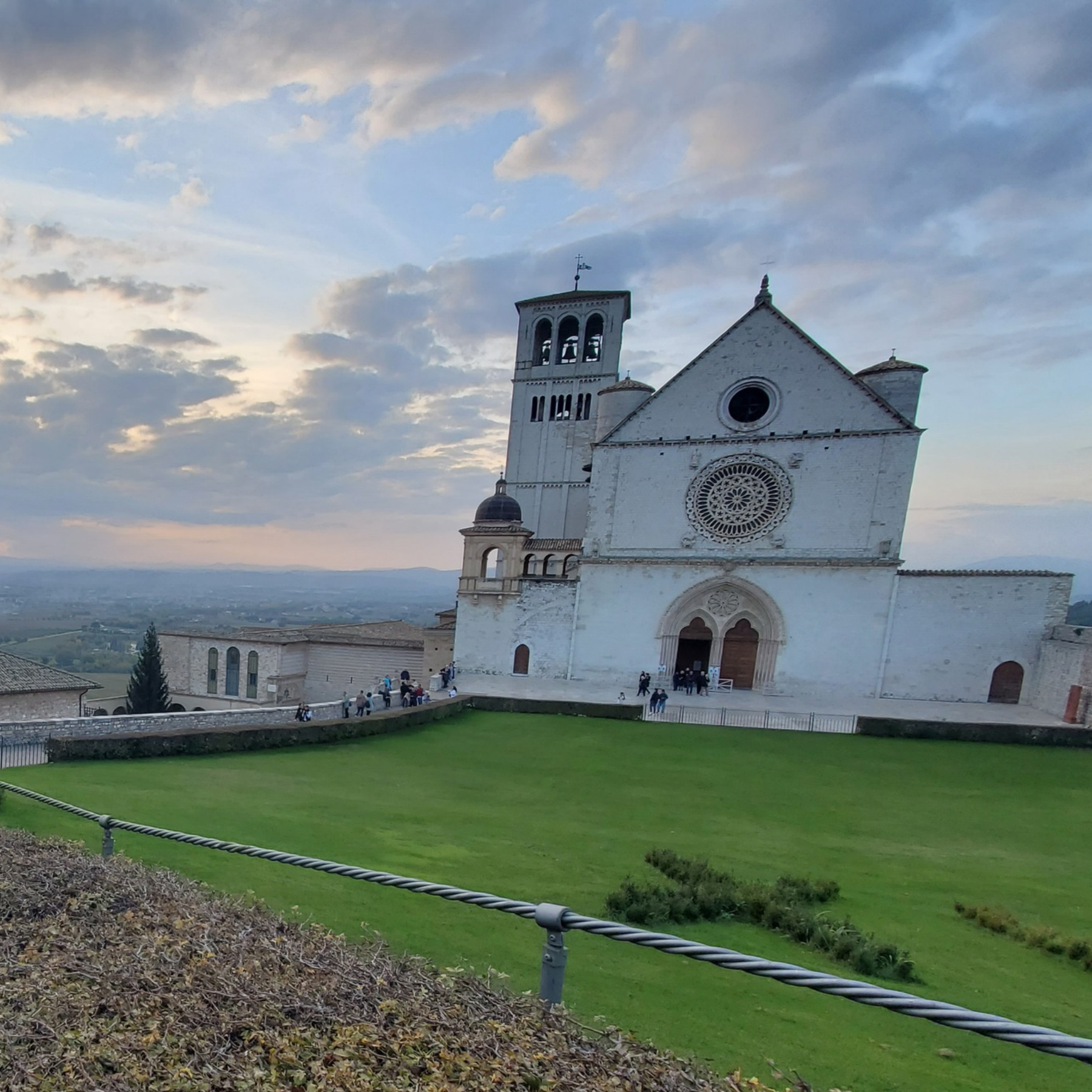
There are other Rules within the Church, but what you may not know is that St. Francis of Assisi, with help from his “brothers” also wrote a ‘Rule of Life’ for the Franciscans. Since 2026 is the Jubilee Year of St. Francis, commemorating the 800th anniversary of his death, let’s look at 12 things to know about this Franciscan Rule:
1) St. Francis wrote the Rule three times. The “Primitive” first Rule he wrote in 1209, refined it in 1221, and then revised and shortened it in 1223.
2) We don’t actually know what the “Primitive” Rule said, but St. Francis of Assisi wrote it from Gospel passages he heard in the Portiuncula. This is the place also where St. Francis died 800 years ago on Saturday, October 3, 1226.
3) Brothers Thomas of Celano and Saint Bonaventure said that the first and second Rules were based on Matthew 19:21 (sell what you have and give to the poor); Matthew 16:24 (deny yourself, take up your cross and follow me); and Luke 9:3 (take nothing for the journey).
4) Francis’ Rule also deals with Poverty, Chastity, and Obedience with practical rules of conduct such as not receiving money, not to be quarrelsome, or to criticize others.
5) Clerics were to pray the Divine Office each day, and laypeople to pray “twenty-four ‘Our Fathers’ at matins; five at lauds; . . . twelve at vespers; and seven at compline.”
6) St. Francis said that they should fast at Lent, and from the Feast of All Saints (November 1st) until Christmas, plus every Friday, and other times if desired.
7) His followers “must not ride on horseback unless forced to so by obvious necessity or illness.” This was to emphasize the spirit of poverty and not to seek comfort at the time—to walk and not ride a horse as an offering to Our Lord.
8) Followers were also not to leave the order once they have joined, “When the year of probation is over, let them be received into obedience, promising to observe this life and rule always; . . . for according the holy gospel ‘no one who puts his hand to the plow and then looks back is fit for the kingdom of God.’”
9) They could have one tunic with a hood, and if needed, a second tunic without a hood.
10) Pope Innocent III gave verbal approval to Francis’ Rule in 1209, and continued to allow it even though in 1215 the Fourth Council of the Lateran forbade the establishment of new religious orders and Rules.
11) While St. Francis was away in the Holy Land in 1219-1220, those left in charge of the Brothers made some changes to the existing Rule without Francis’ knowledge. One of which was a prohibition against eating meat. St. Francis immediately returned to Italy and repressed the changes, including the one about not eating meat, with the help of his friend, the Cardinal Protector of the Franciscans, Cardinal Bishop Ugolino dei Conti, who was elected as Pope Gregory IX in March 19, 1227. St. Francis, seeing the order had greatly increased, and after a vision, decided to revise and shorten the Rule in 1223.
12) After the final Rule was written in 1223, and Pope Honorius III approved Francis’s “definitive” Rule (Regola Bollata) on November 29th, 1223, a brother lost the document and it had to be rewritten again!
You can read the final and current Rule of St. Francis by clicking HERE.
Starting a New Year always gives us an opportunity to reflect and start anew. As we approach the end of the Church’s Liturgical Year, and begin anew with the Liturgical Season of Advent, let us prayerfully take an honest look at our lives.
What “rules” can we set for ourselves to help safeguard us from evil, and to live a more holy, prayerful and virtuous life filled with kindness, service to Our Lord and to others? How can our lives be more Christ-centered? Advent is a penitential season. If we haven’t been to confession in a while this would be a perfect time to go back. Prayer and fasting are so difficult to keep up with during the holidays. Taking small steps such as fasting from the media during key family times during the day would be a good place to start.
St. Francis and others wrote their ‘Rules of Life’ down. It may be a good exercise for us to also write ours down before Advent begins and post it on our bedroom mirror to reflect upon and inspire us this Advent to keep us on track. St. Francis of Assisi, Pray for Us!