

This week, the nation comes together to celebrate 250 years of life, liberty, and the pursuit of happiness. You will surely have opportunities to watch fireworks, attend family barbecues, and wave American flags; please partake in these celebrations.
But as Christians, we also look to the incredible ways God has blessed this country. From religious liberty to entrepreneurial zeal, the United States is a hub of remarkable faith and beauty.
Yes, the American Catholic Church is young compared to places like Rome or the Holy Land, but from the first settlements in St. Augustine, Florida, in 1565, to the early days of independence, Catholics have brought Christ to the New World with courage and awe-inspiring devotion.
Across the United States and around the world, there are churches the Pope sets apart for their rich history, architecture, sacred beauty, and abundant sacramental life. These churches are known as minor basilicas. Here in the United States, we have 94 spread across 35 states.
As we celebrate America 250, these basilicas tell the story of the birth and growth of the American Church.
Here are eight minor basilicas in the USA that inspire a great love for the American Catholic story:
1) Cathedral Basilica of St. Augustine – St. Augustine, Florida:
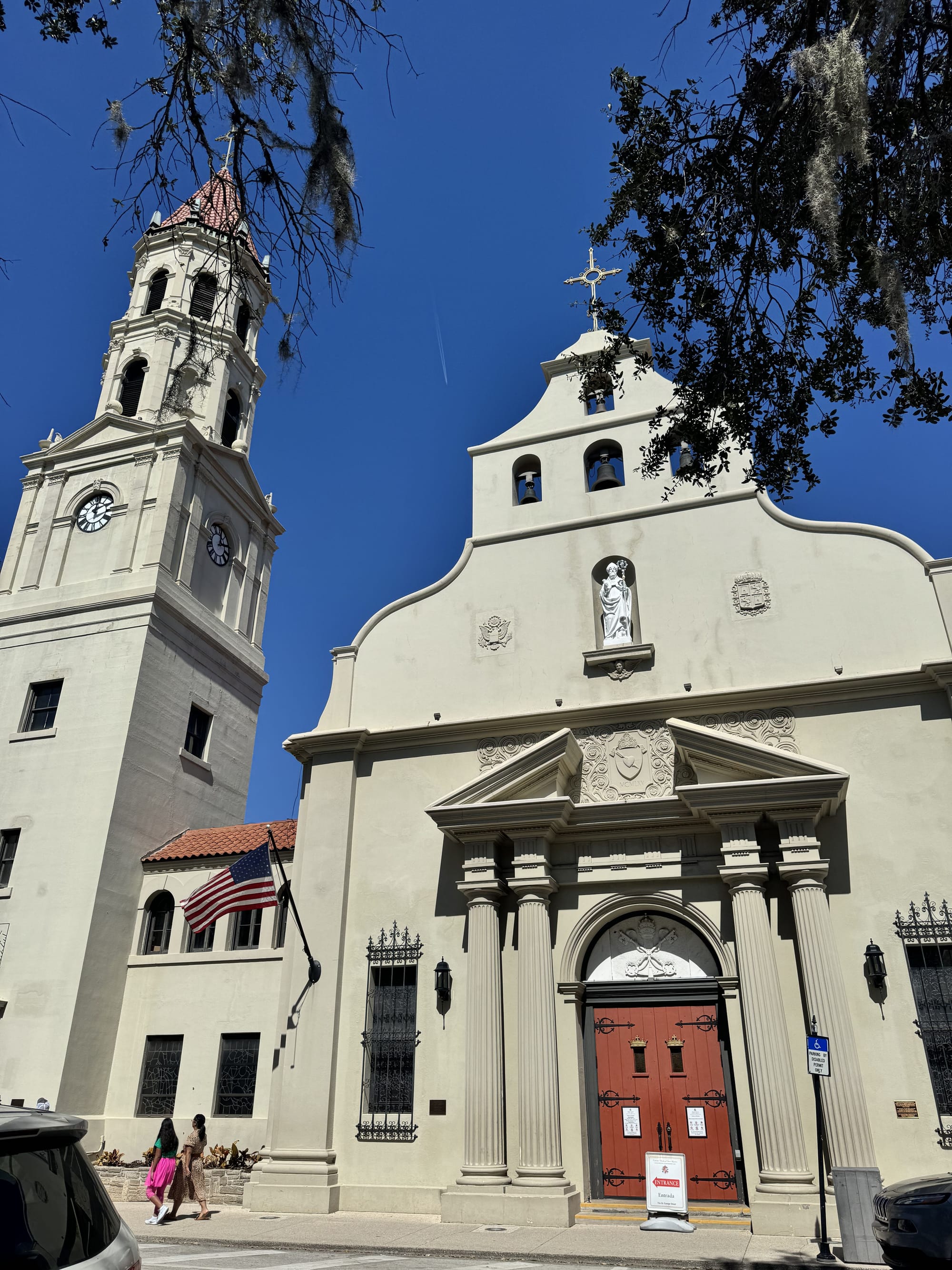
On August 28, 1565, Don Pedro Menendez de Aviles set his sights on Florida, eventually arriving on September 8, the feast of the Nativity of the Blessed Virgin Mary. Upon landing, the chaplain celebrated a Catholic Mass along the shoreline.
Over the next two centuries, St. Augustine passed between Spanish and British rule before Spain regained Florida in 1784. When the Diocese of St. Augustine was established in 1870, the church, rebuilt several times, became its cathedral.
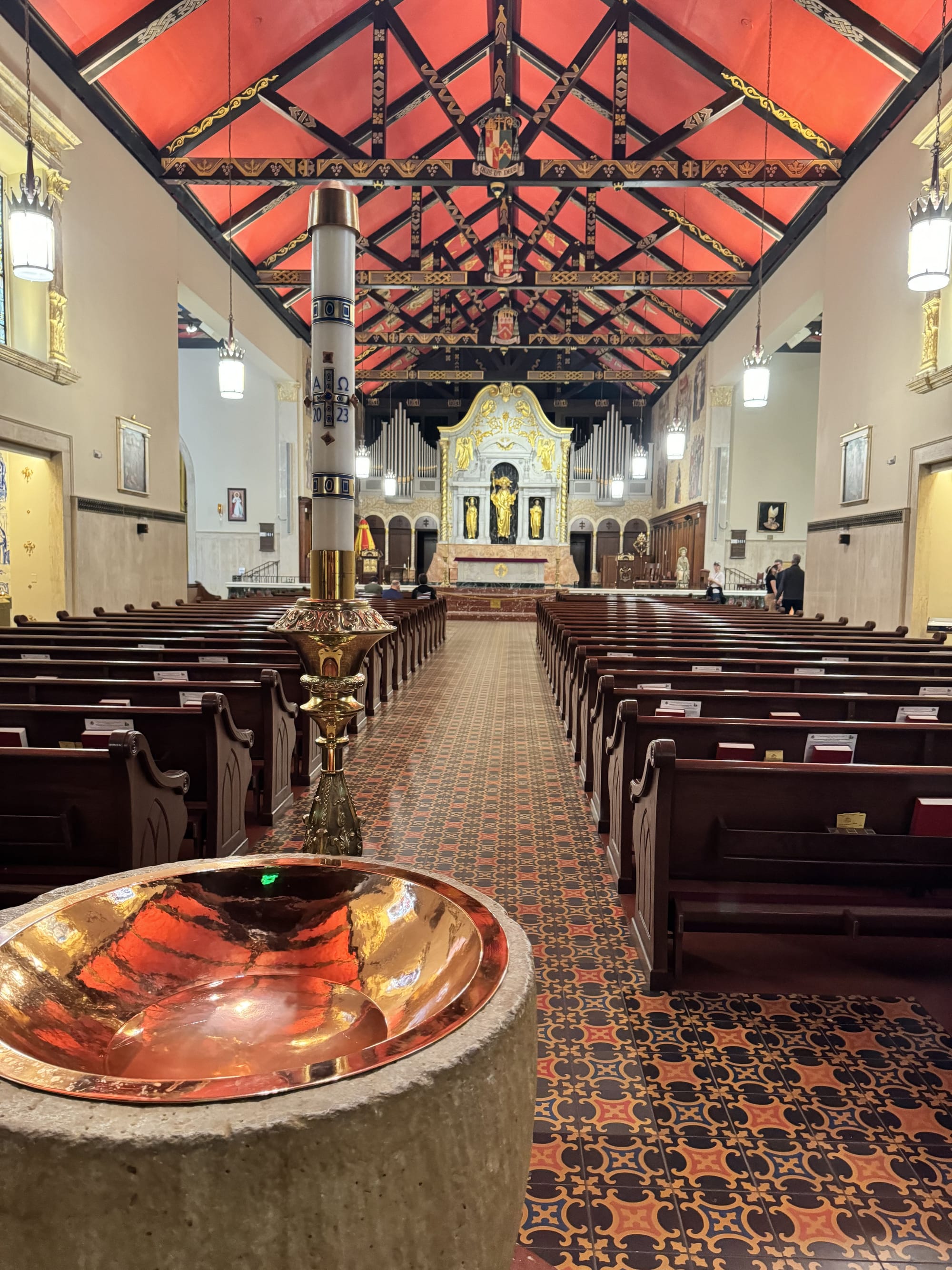
Today, this cathedral basilica is known as "America's First Parish" and is adorned with incredible stained glass windows and murals celebrating the nation's earliest Christian roots.
2) Mission Basilica San Diego de Alcalá – San Diego, California
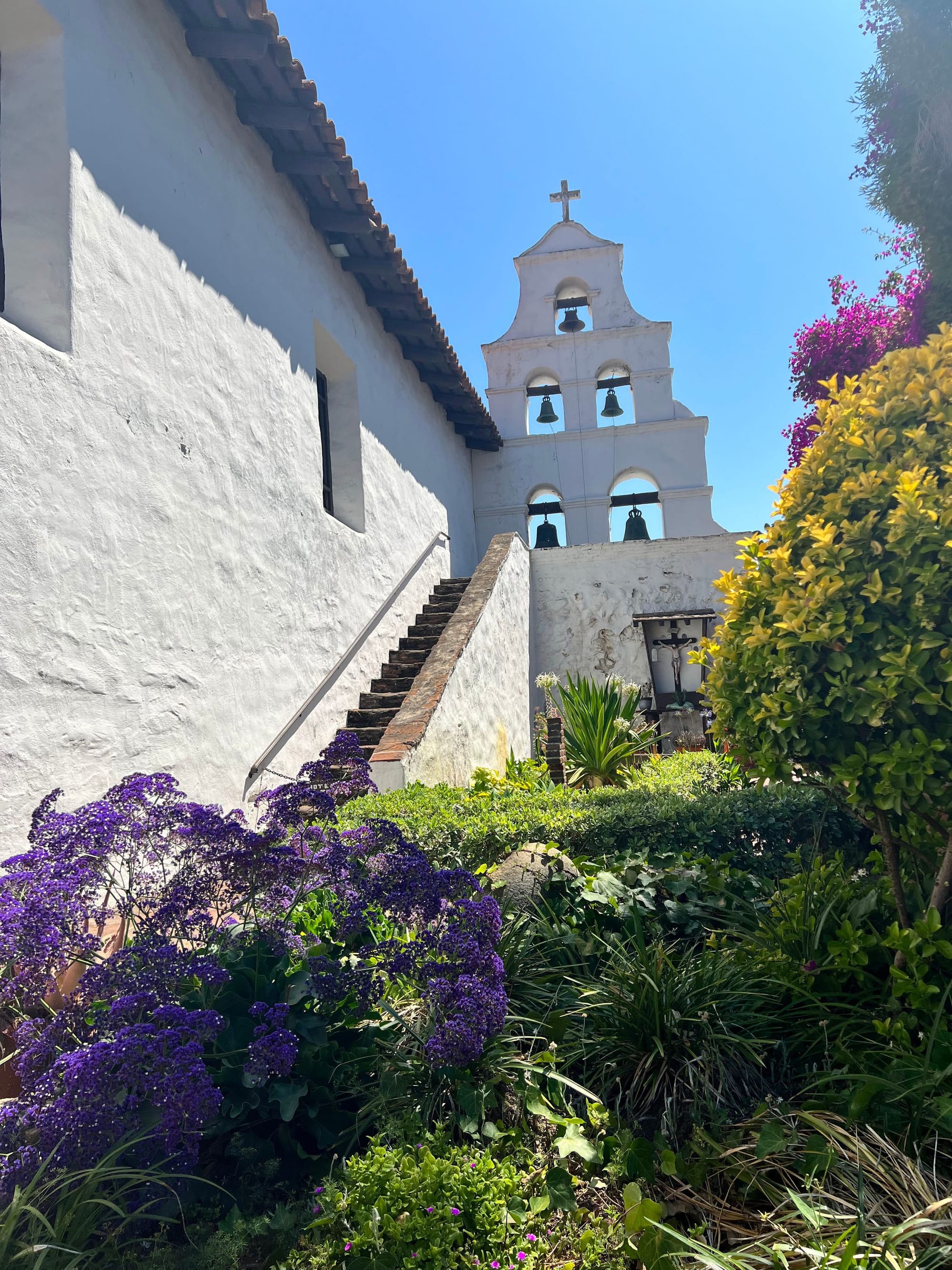
On July 16, 1769, Fr. Junípero Serra, a Franciscan missionary (and now saint), raised a cross on Presidio Hill and celebrated the first Mass. As Spain spread the Catholic faith throughout Alta California, Fr. Serra established a chain of missions that fostered relationships with Native Americans.
The friars and natives farmed, raised cattle, and introduced new agricultural practices while many received education and evangelization.
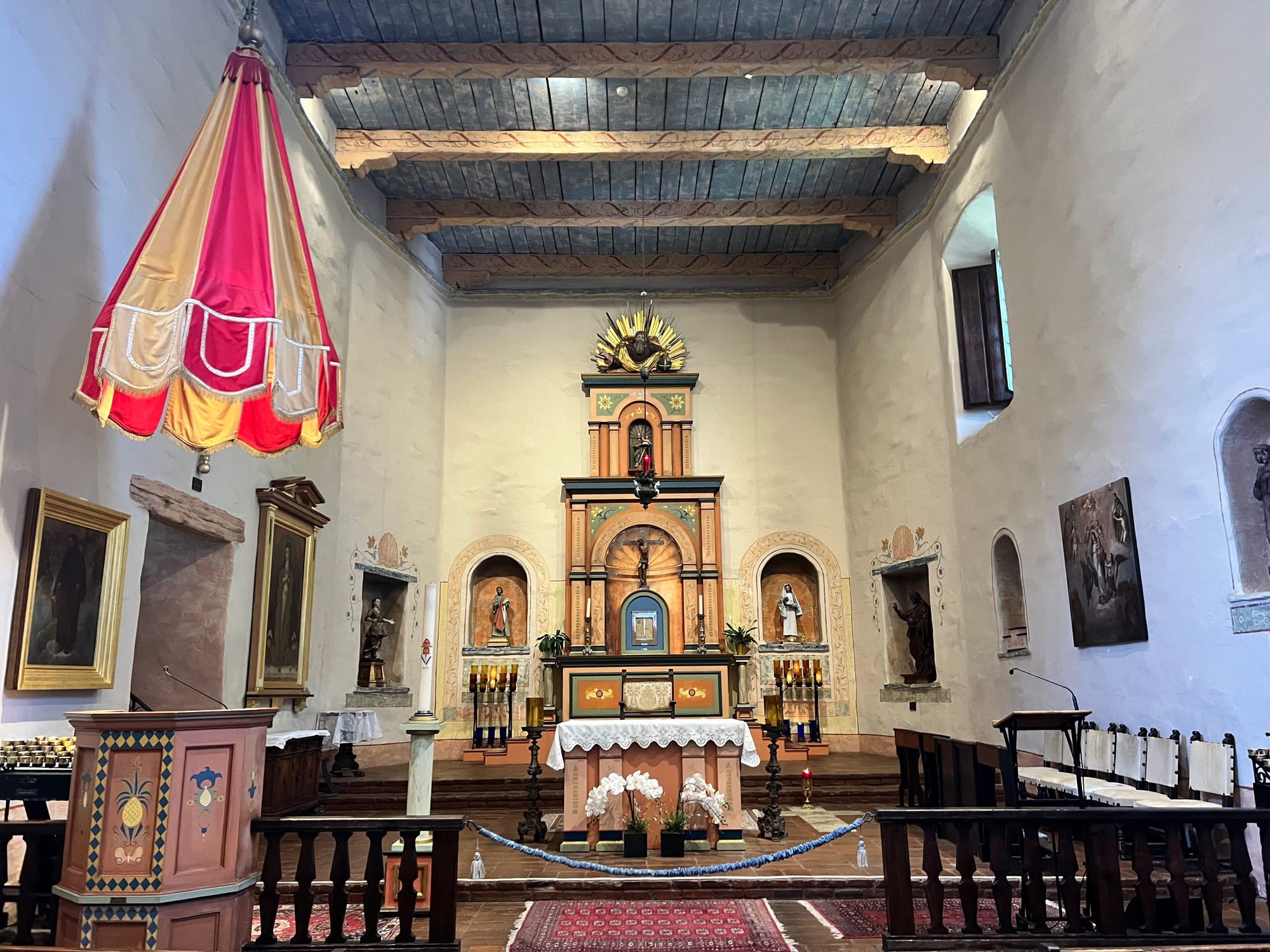
The missions ended in 1821 after Mexico's independence, though President Abraham Lincoln later returned them to the Catholic Church. The faith in California simply would not have been possible without the ministry of St. Junípero Serra, which began at this small mission church.
3) Basilica of St. Patrick's Old Cathedral – New York, New York
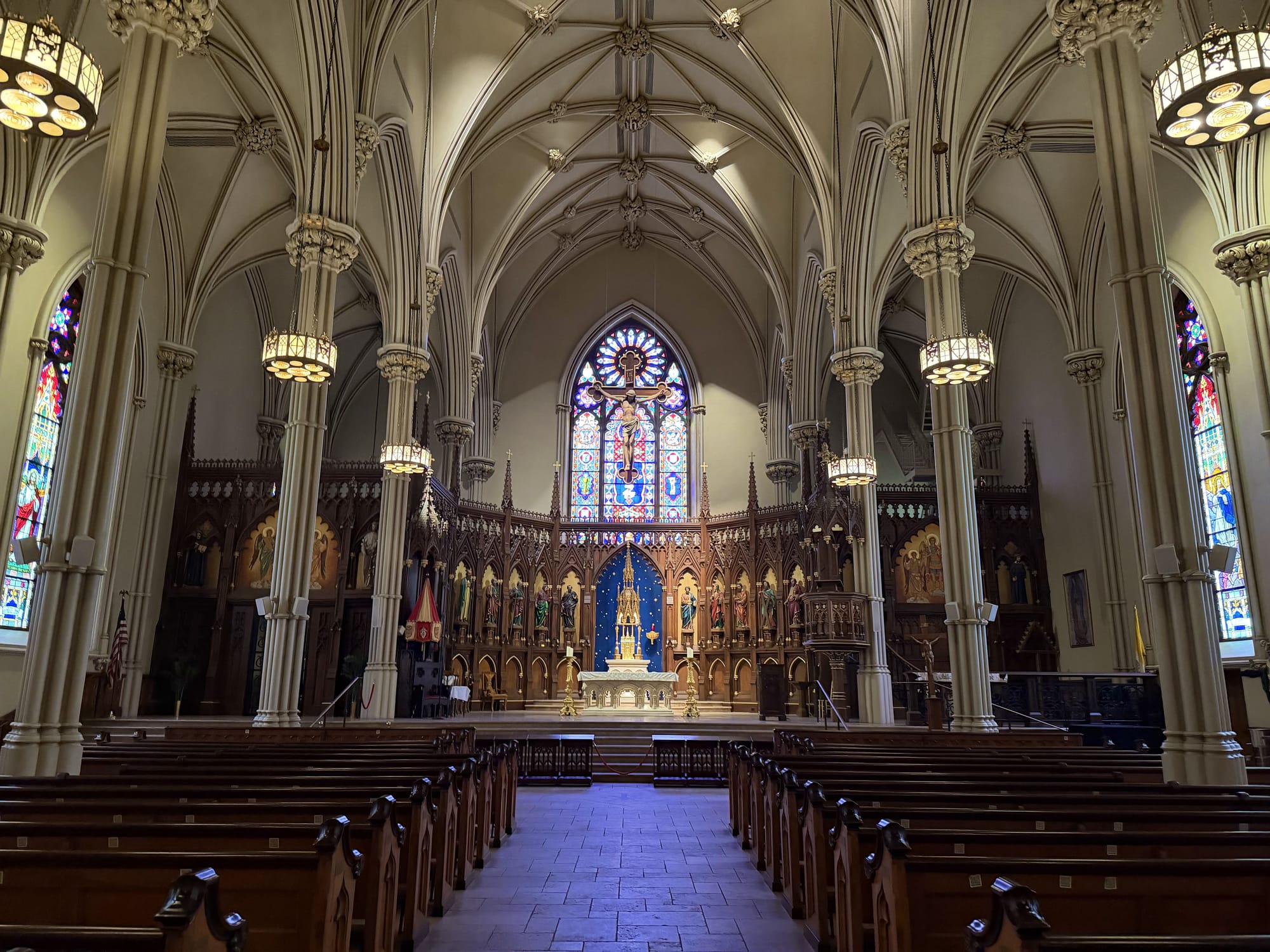
This church served as the original cathedral for the Diocese of New York and the spiritual home for many immigrants seeking a better life. Opened in 1809 as the largest Catholic church in the country, it welcomed faithful of Irish, Italian, Chinese, African American, and Vietnamese backgrounds.
St. John Neumann was ordained here in 1836, St. Elizabeth Ann Seton's Sisters of Charity opened a nearby school, and Venerable Pierre Toussaint is buried in its cemetery.
When the bishop's seat moved to St. Patrick's Cathedral on Fifth Avenue, the church was later named a minor basilica in recognition of its lasting importance in the city that symbolized the American dream.
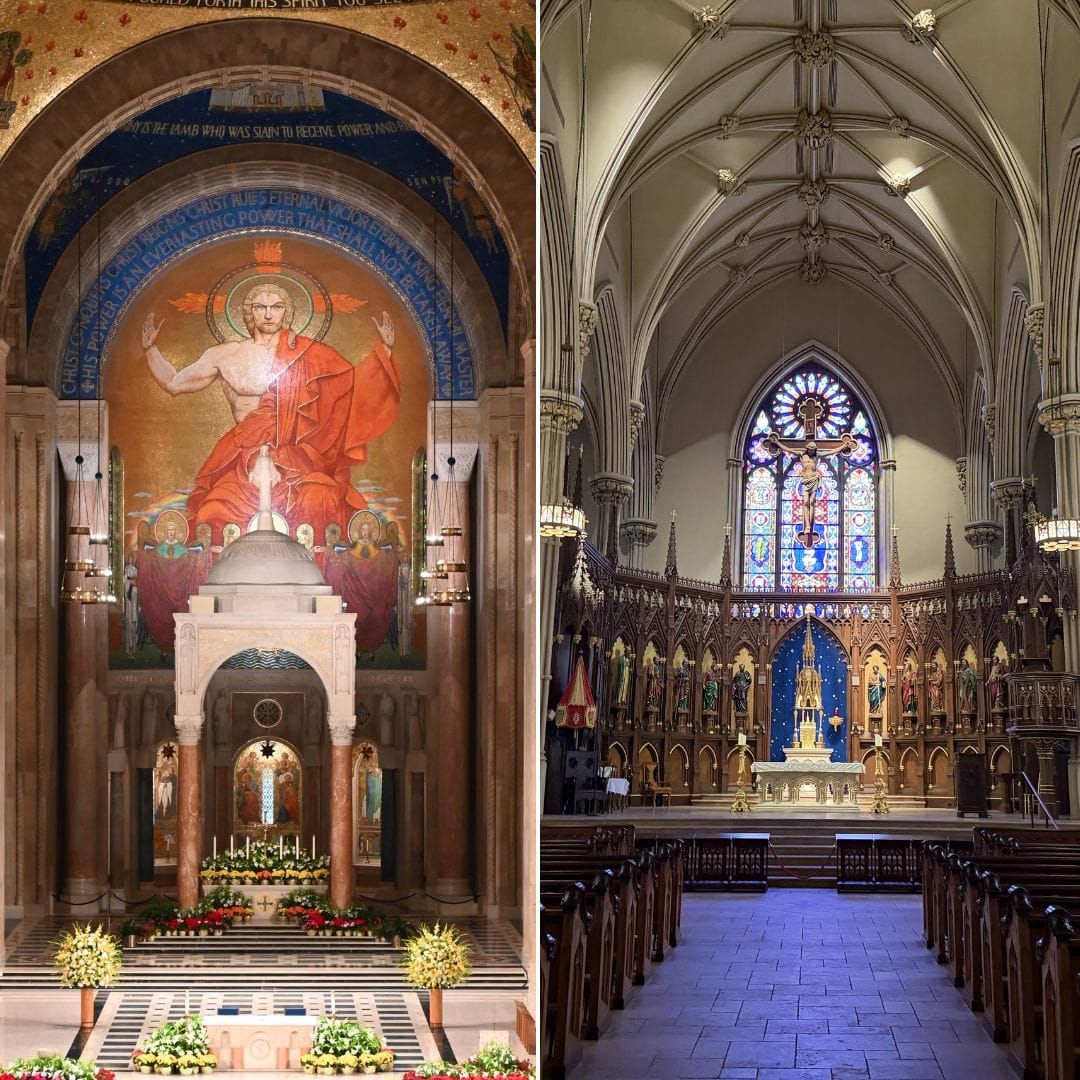
4) Basilica of the National Shrine of the Immaculate Conception – Washington, District of Columbia
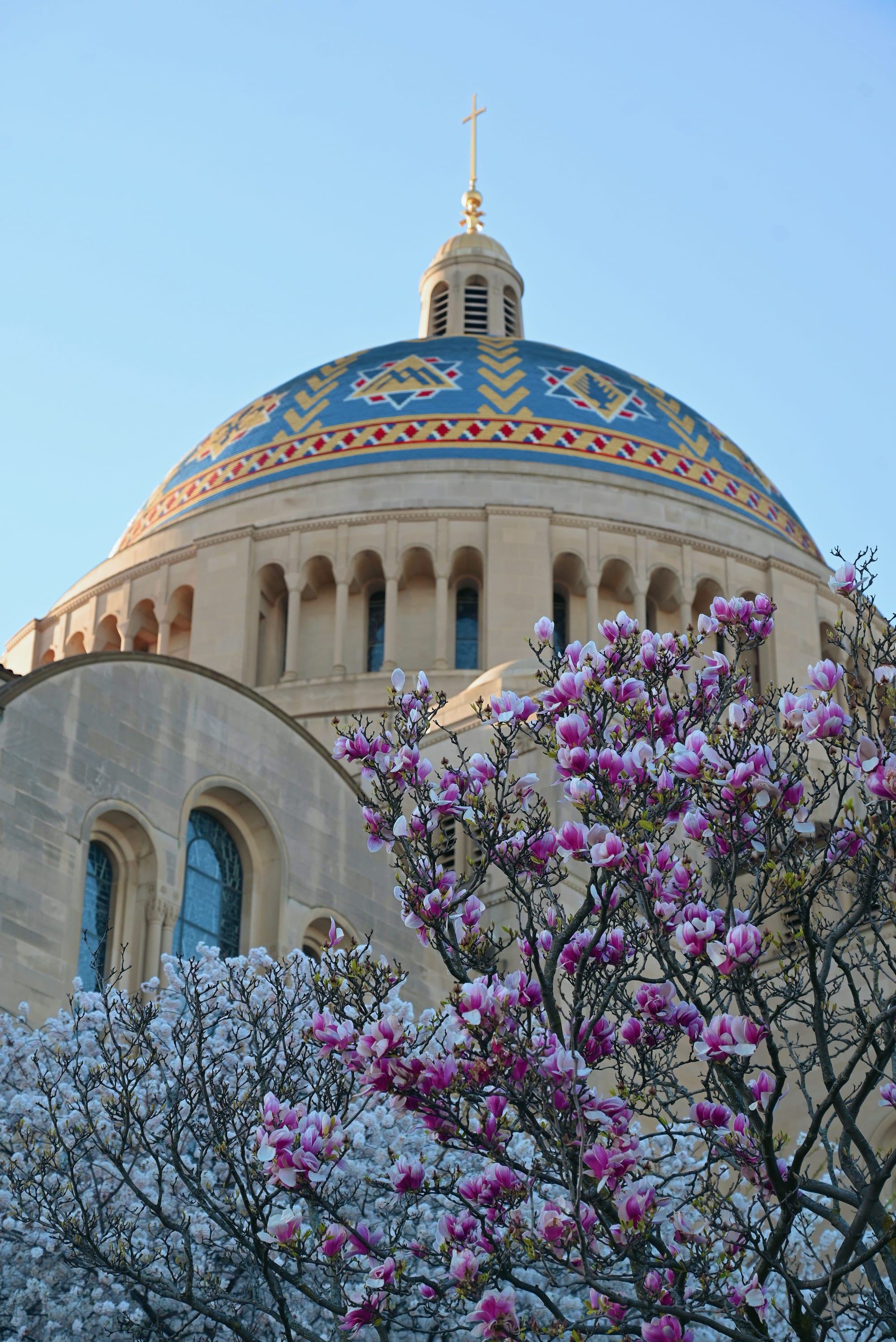
Towering over the Washington, D.C., skyline, this church is the largest Catholic church in North America and one of the largest in the world. Dedicated to the patroness of the United States, it was proposed by Msgr. Thomas Shahan in 1910 and personally supported by Pope Pius X, who made the first donation toward its construction.
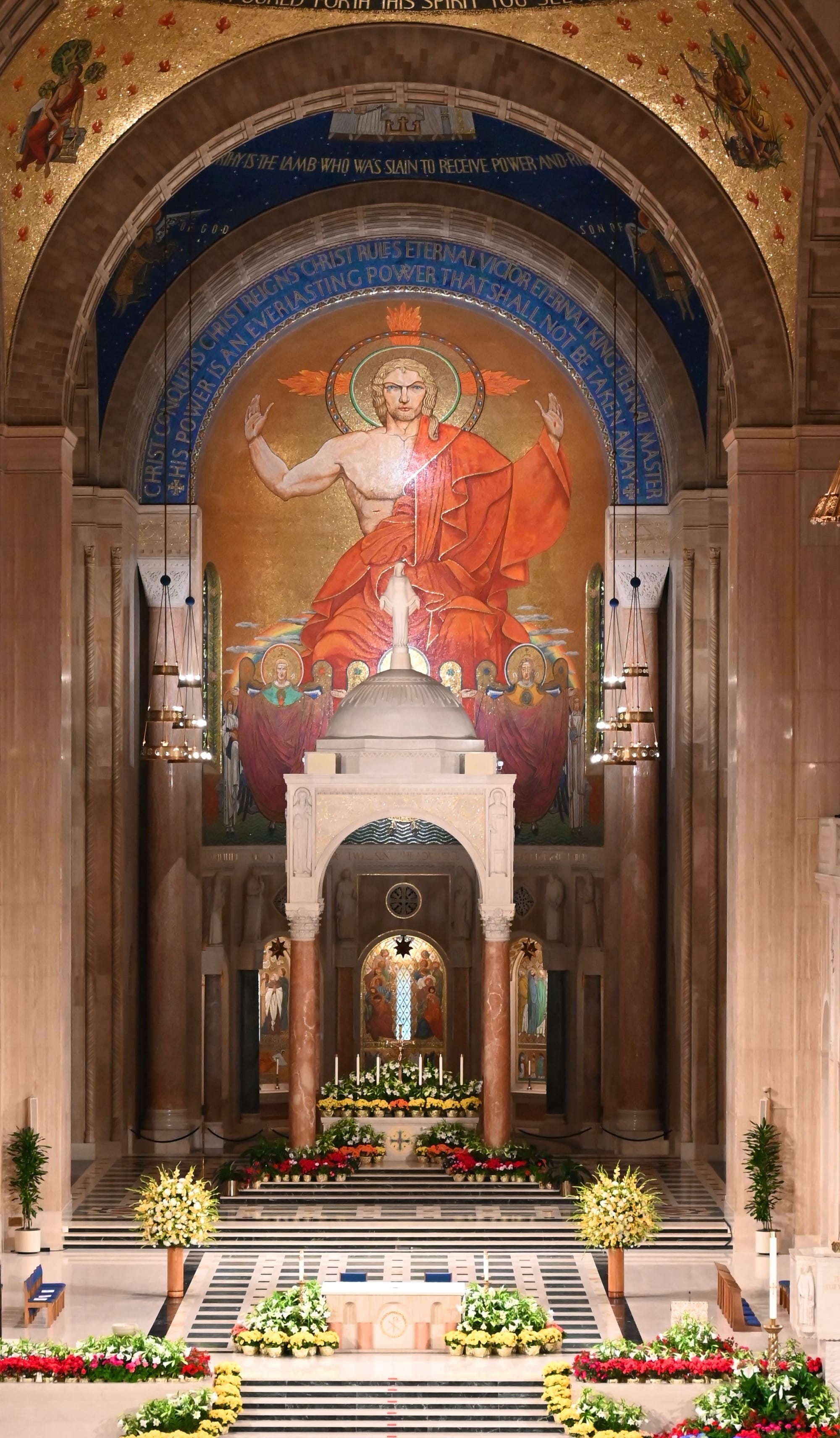
Today, the basilica is home to some of the world's greatest mosaic collections, eighty Marian chapels and oratories, and the iconic Trinity Dome. It also offers pilgrims daily Mass, confessions, adoration, and some of the finest sacred music in the United States.
5) Basilica of Sainte Anne de Detroit – Detroit, Michigan
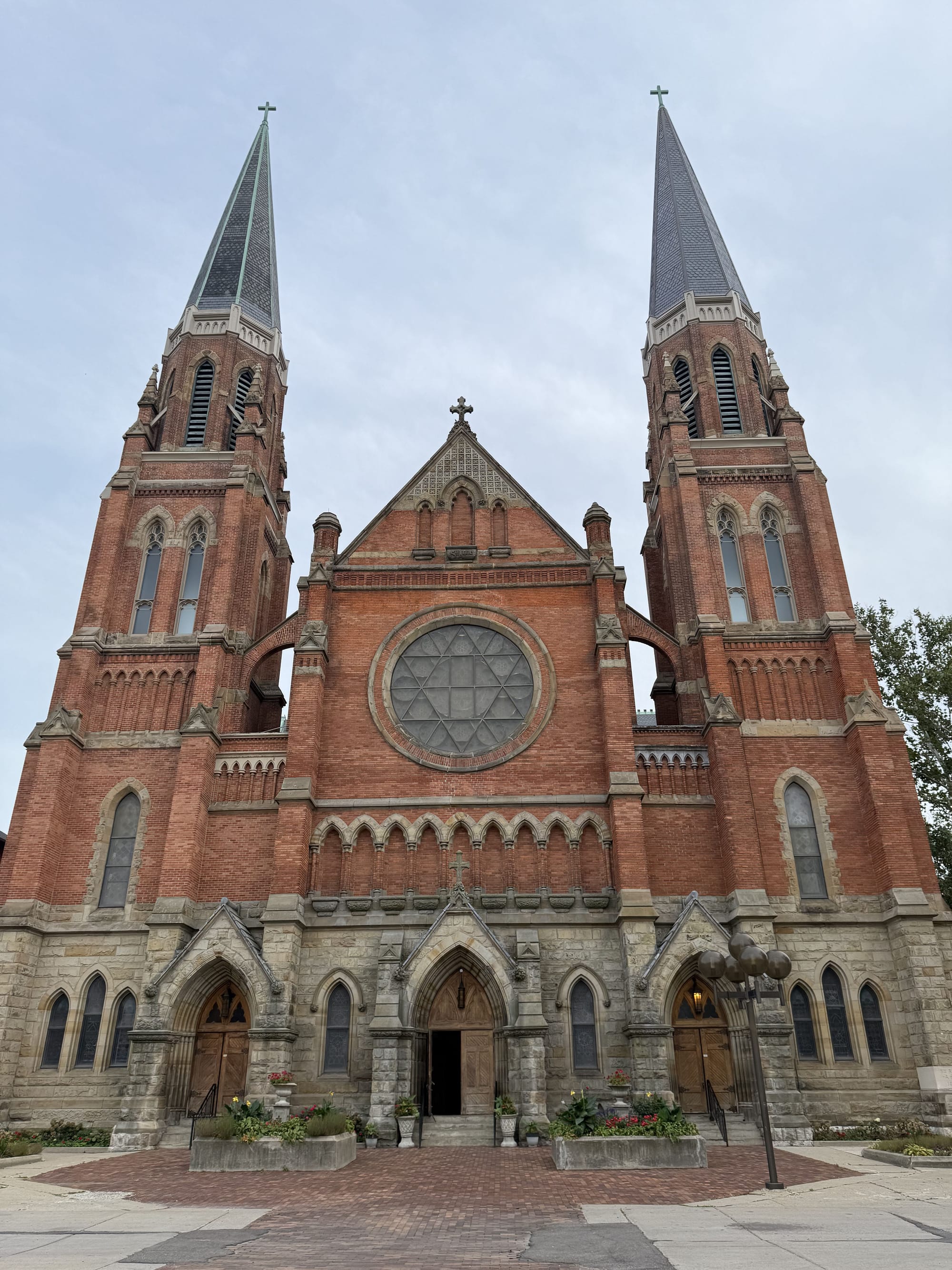
On July 24, 1701, French settlers and two Catholic priests established Fort Pontchartrain. Two days later, on St. Anne's feast day, they built a small log chapel.
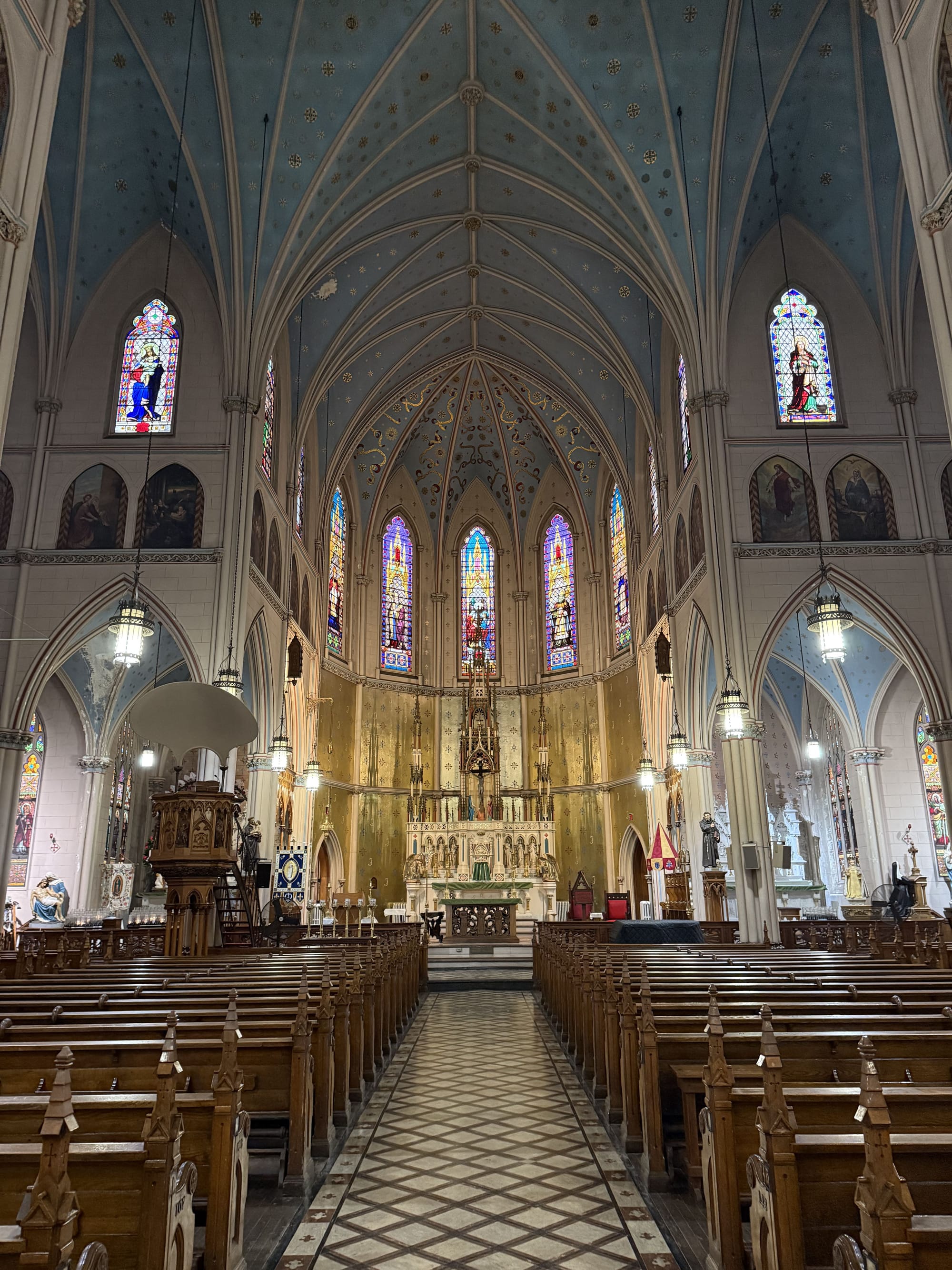
Although the current church is the eighth on the site, due to growth and several destructive fires, the parish has never ceased, making it the second-oldest continuously operating Catholic parish in the United States.
Completed in 1886, the current Gothic basilica reflects its French heritage and the early Christians who brought the faith to the region.
6) Basilica of St. Mary – Alexandria, Virginia
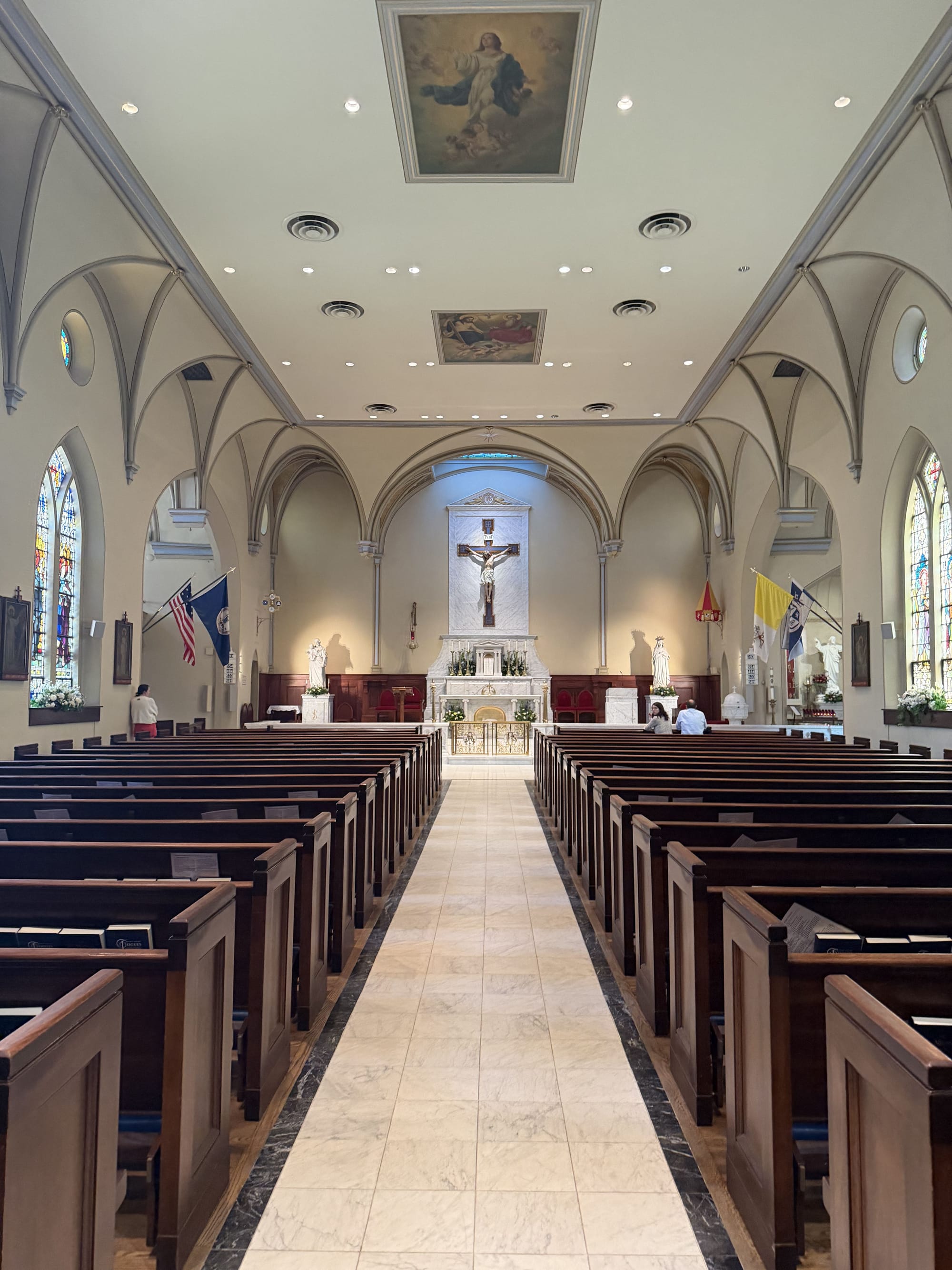
In the years following the Declaration of Independence, Catholicism was still not free to flourish. Thomas Jefferson's Act for Establishing Religious Freedom gave the Church the opportunity to establish a permanent presence in Virginia.
In 1788, Colonel John Fitzgerald, a former aide to George Washington, helped raise funds for construction, beginning with a donation from Washington himself. Beautified and rebuilt over the years, the church is now known as the "Mother Church of Virginia."
7) St. Vincent Archabbey Basilica – Latrobe, Pennsylvania
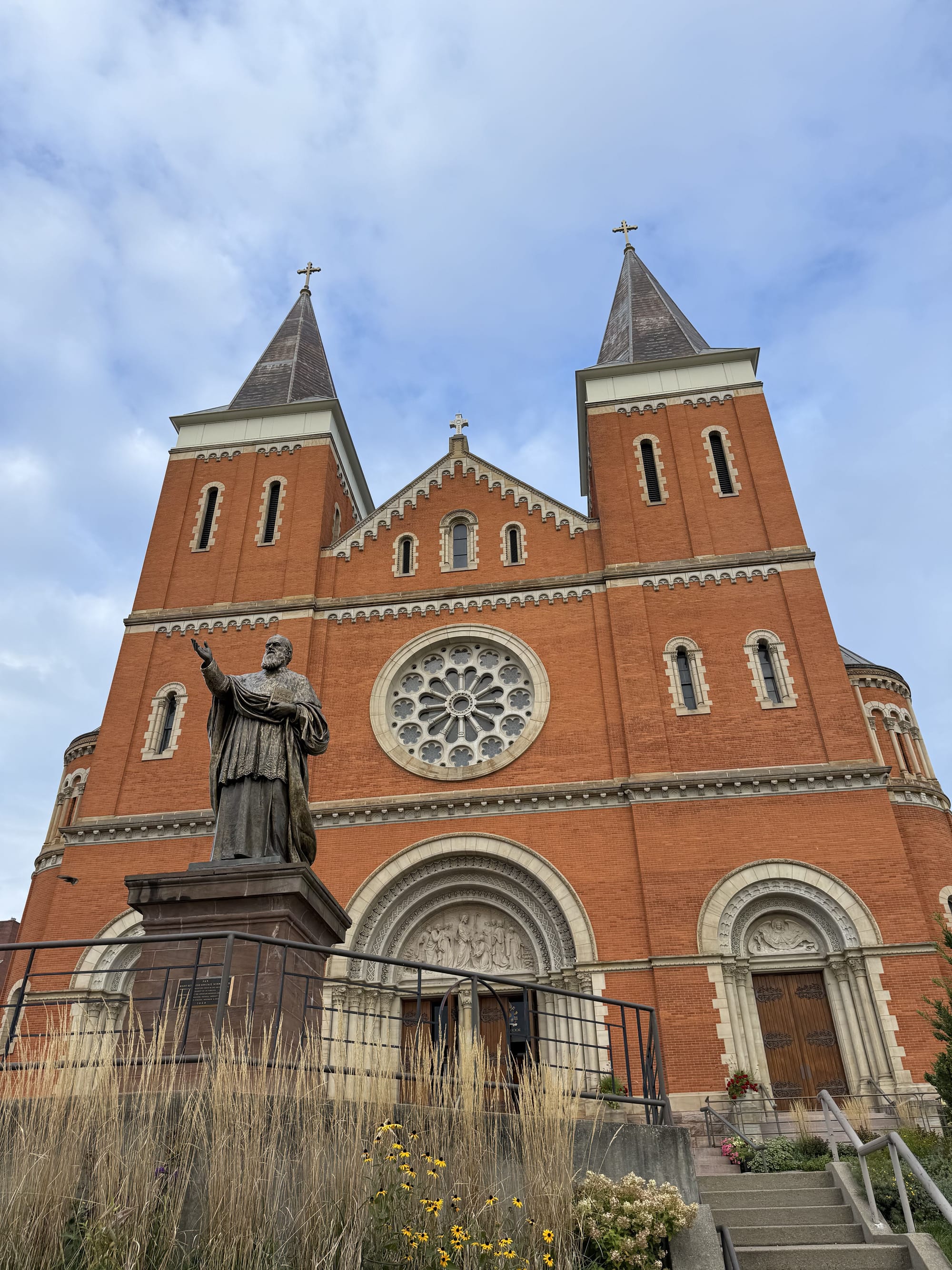
This sacred site became home to the first Catholic parish west of the Allegheny Mountains. In 1846, Benedictine Boniface Wimmer, OSB, established not only the first Benedictine abbey in the United States, but also a college and seminary.
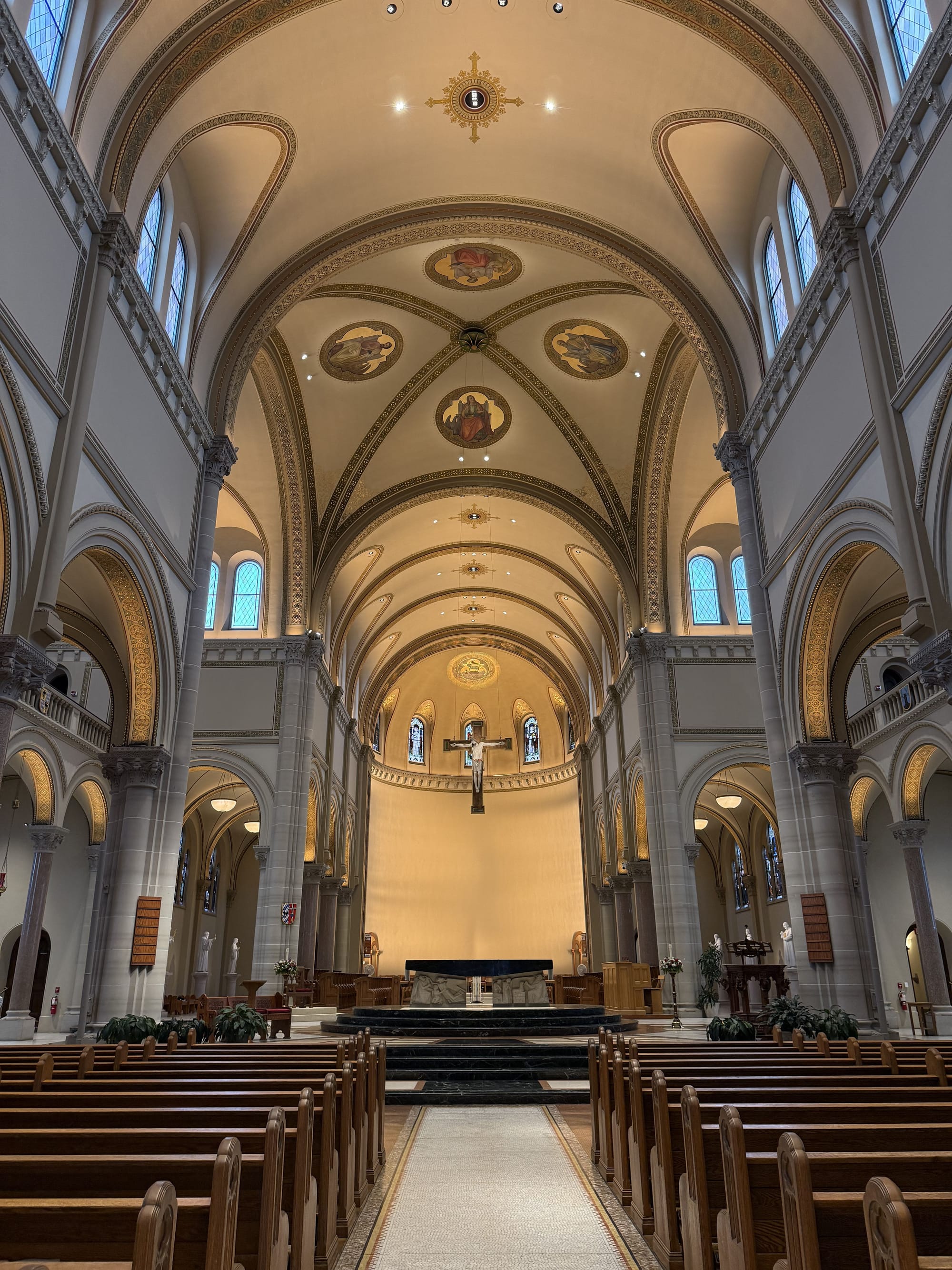
Pope Pius IX later elevated the monastery to an archabbey, leading to the construction of a grand new church after Wimmer died in 1887. This archabbey has remained a vital monastic community for both Pennsylvania and the United States.
8) Basilica of the National Shrine of the Assumption of the Blessed Virgin Mary – Baltimore, Maryland
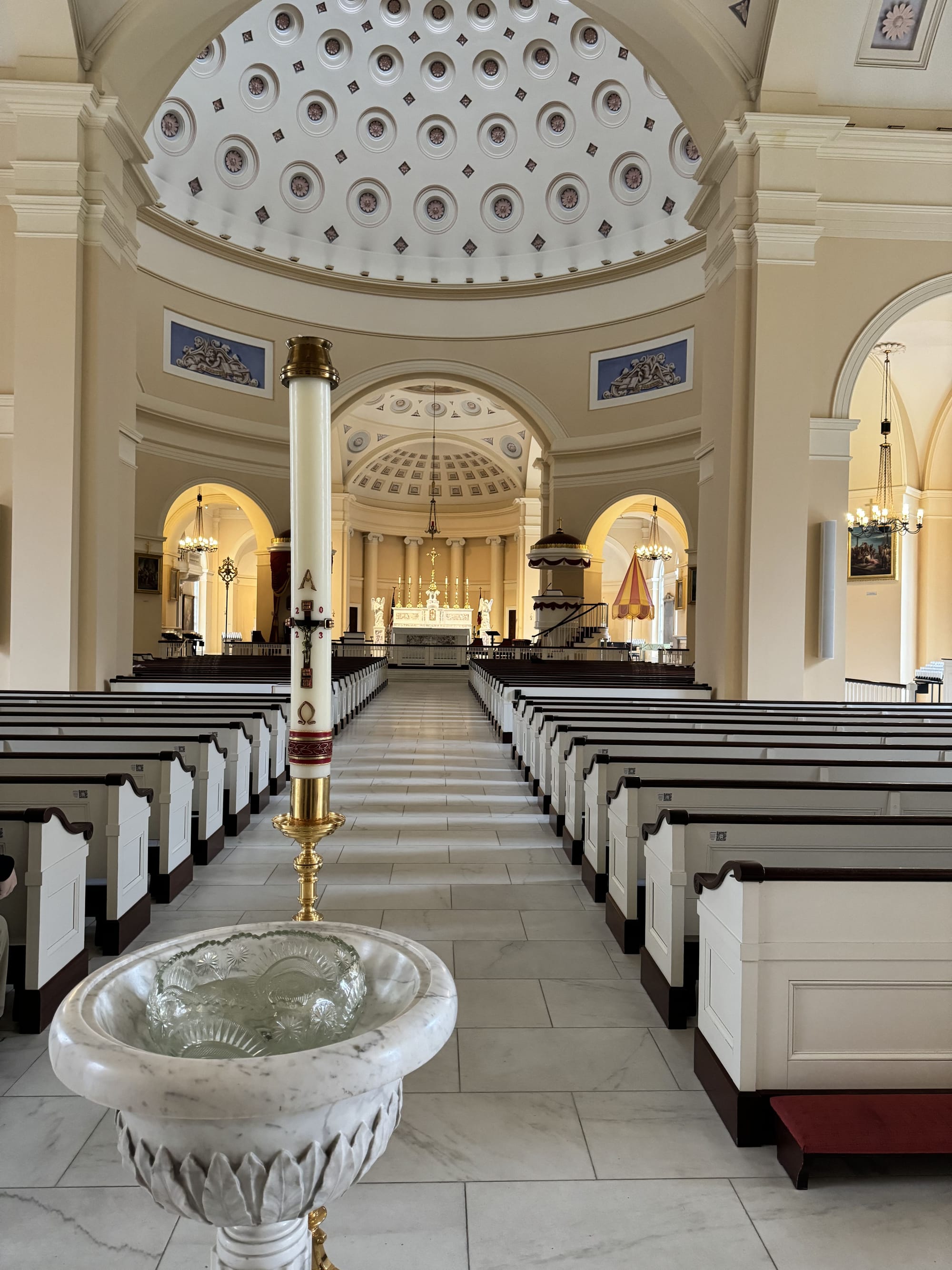
In 1789, Pope Pius VI established the Diocese of Baltimore and appointed Bishop John Carroll as its first shepherd. Carroll commissioned Benjamin Henry Latrobe, architect of the U.S. Capitol, to design America's first cathedral.
As the Church in the United States grew, the Baltimore Basilica witnessed landmark moments, including the creation of the Baltimore Catechism in 1884, the ordination of Blessed Michael McGivney, and the annual gathering of the United States Conference of Catholic Bishops.
Sts. John Paul II and Teresa of Calcutta also visited this church, later named both a minor basilica and a national shrine.
These are just a few minor basilicas that highlight the great story of Catholicism in America.